How to Build a Garden Berm & What to Plant in It
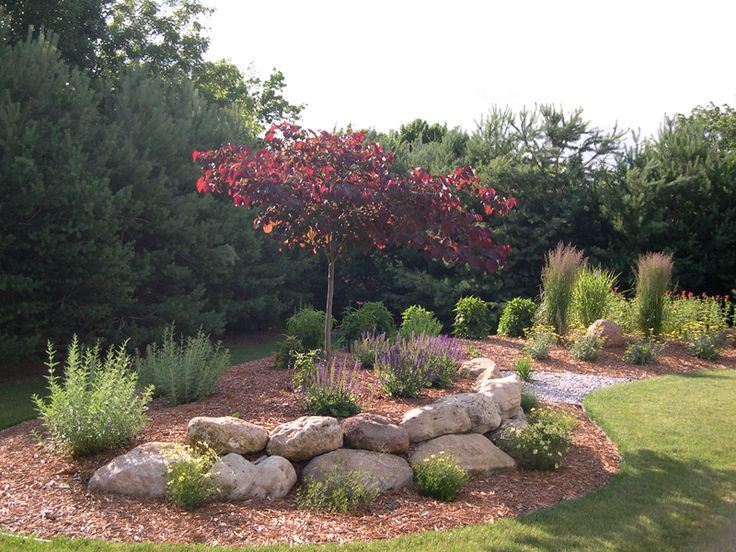
A berm changed my garden. What had been a flat, forgettable strip along the fence line is now the most dramatic moment in the whole yard — a gently mounded planting bed that draws your eye the moment you step outside. It solved a drainage problem I’d been fighting for three seasons, and it gave me a gorgeous canvas for some of my favorite drought-tolerant plants.
If you’ve been thinking about adding depth and dimension to a flat yard — or if you need to redirect water away from a foundation, path, or low spot — a berm might be exactly what your Zone 9 garden needs. Here’s everything: how to build it, where to put it, and what to plant.
In This Post
- What is a garden berm?
- Why berms work beautifully in Zone 9
- Choosing the right location
- Step-by-step: how to build a berm
- The best plants for a Zone 9 berm
- Planting & aftercare tips
What Is a Garden Berm?
A berm is a raised, mounded planting bed built directly into the landscape — no walls, no hard edges. Think of it as a gentle hill you sculpt right into your yard. Unlike a raised bed, which is a contained box, a berm flows organically into the surrounding soil, tapering to ground level on all sides.
The classic berm is oval or kidney-shaped, higher in the center and feathered out to ground level over a span of several feet. They can be modest — just 12 inches high — or dramatically sculpted to 3 feet or more, depending on your goals and the scale of your landscape.
“A berm is the garden’s solution to a flat world — it adds height, movement, and life without a single hard edge.”
Why Berms Work Beautifully in Zone 9
Zone 9 in Northern California brings long, dry summers, mild winters, and clay-heavy soils in many neighborhoods. Berms thrive here for several reasons:
Drainage
Our clay soil holds water — sometimes for days after a rain. The raised profile of a berm puts roots above the waterlogged zone, protecting drought-adapted plants from rot.
Water Direction
A well-placed berm redirects winter rain runoff away from foundations, patios, and low spots — functioning like a soft, beautiful dam.
Drought Efficiency
Loose, amended berm soil warms faster in spring, which accelerates root development — giving plants a head start before summer heat sets in.
Visual Interest
Flat Bay Area lots are everywhere. A berm instantly adds elevation change, creates shadow and depth, and makes your garden feel designed — not default.
Choosing the Right Location
Location determines whether your berm thrives or becomes a persistent headache. Think through these before you break ground:
☀️ Sunlight
Most berm plants — salvias, lavender, agave, penstemons — want 6+ hours of direct sun. Choose a south- or west-facing location if possible. A berm in full shade is workable, but your plant palette will be more limited (think ferns, heucheras, and natives like coffeeberry).
💧 Drainage & Water Flow
Watch your yard during a winter rain. Where does water collect? Where does it sheet across the ground? Your berm can intercept and redirect that flow — but position it to divert water, not dam it against your house or neighbor’s fence. Orient the berm perpendicular to the flow direction, not parallel to it.
📏 Size & Scale
A well-proportioned berm follows the 4:1 rule — for every 1 foot of height, plan for at least 4 feet of slope on each side. So a 2-foot-high berm should span roughly 16–20 feet wide. Going steeper looks artificial and causes erosion. In a small yard, keep the berm low (12–18 inches) and let the plant selection create the drama.
🚿 Utilities
Always call 811 before digging. Know where your irrigation lines, gas, and electrical run. A berm over a drip line is fixable; a berm over a gas line is not.
Garden Tip
Use a garden hose to lay out the berm shape on the ground before you dig. Live with the outline for a few days. Walk past it in the morning, at midday, and at dusk. See how it looks from your windows. It’s much easier to move a hose than to move three yards of soil.
Step-by-Step: How to Build a Garden Berm
Mark Your Outline
Use a garden hose or marking paint to define an organic, kidney-shaped outline. Avoid sharp corners — gentle curves look natural and are easier to mow around. Most residential berms range from 10 to 25 feet long.
Remove Existing Grass or Weeds
Sod and weeds will grow back through your berm if you skip this step. Remove turf by cutting it into sections with a flat spade and rolling it up, or smother it with several layers of cardboard (no tape or staples) as a biodegradable weed barrier. The cardboard method takes longer but saves your back.
Build the Core
To reduce cost and soil volume, fill the center of the berm with a bulking material. Clean fill dirt is cheapest. Many gardeners use decomposing wood debris, broken clay pots, or even large rocks as the buried core. Pile it in a mound shape, keeping it at least 12 inches away from the planned outer edge. This inner core will compact over time, so build it higher than your target height.
Add the Planting Layer
Cover the core with at least 12–18 inches of good planting mix. For Zone 9 drought-tolerant plants, I like a mix of native soil (from the area), coarse sand for drainage, and quality compost. Aim for roughly 40% native soil / 40% compost / 20% coarse sand. Avoid anything too rich — lean soil encourages the deep roots that drought-tolerant plants need to thrive.
Shape & Slope the Edges
Use the back of a rake to smooth the soil from peak to ground level. The taper should be gradual — think of a whale’s back, not a sandcastle. Step back frequently and view from multiple angles. The goal is a shape that looks like it was sculpted by nature, not a backhoe.
Water Deeply & Let It Settle
Before planting, water the berm deeply and let it settle for a few days. The surface will drop — sometimes dramatically. Add more soil and re-rake if needed. Once it stabilizes, you’re ready to plant. Don’t rush this step; planting into unsettled soil means your plants will sink and shift as it compresses.
Mulch Generously
Apply 3–4 inches of mulch — decomposed wood chips, gorilla hair, or gravel work well. Mulch is doing three jobs on a berm: holding moisture (critical in summer), suppressing weeds, and preventing erosion on the slopes. Keep mulch pulled back an inch or two from plant stems.
The Best Plants for a Zone 9 Berm
The key to a beautiful berm is layering — tall anchor plants at the peak, mid-height bloomers on the shoulders, and low ground-huggers at the base to prevent erosion and tie it to the surrounding lawn or path.
🌿 Anchor Plants — The Peak (Center/Top)
Agave ‘Blue Glow’ or Agave attenuata
Height: 2–4 ft · Full sun · Very low water
The architectural queen of the berm. Placed at the highest point, an agave becomes the focal statement that anchors the entire design. ‘Blue Glow’ stays compact; Agave attenuata is spineless and safer near walkways.
Shop hereSalvia ‘Amistad’
Height: 3–5 ft · Full sun · Low-moderate water
Deep purple-black flowers from May through frost. Hummingbirds mob it all summer. It gets large — give it room at the peak or near the back shoulder. Cut back hard in late winter for a fresh flush.
Shop hereKangaroo Paw (Anigozanthos)
Height: 2–4 ft · Full sun · Low water once established
Weird, wonderful, and beloved by hummingbirds. The tubular flowers in orange, red, and yellow are unlike anything else in the garden. Thrives in the excellent drainage a berm provides.
Shop hereRosemary (Salvia rosmarinus) — upright varieties
Height: 3–6 ft · Full sun · Very low water
Evergreen, fragrant, edible, and beloved by bees. The upright forms like ‘Tuscan Blue’ work beautifully at the berm peak. Rosemary is practically indestructible in Zone 9 — it’s the plant you plant when you want something to just work.
Shop here🌸 Mid-Height Bloomers — The Shoulders
Lavender (Lavandula angustifolia or x intermedia)
Height: 18–30 in · Full sun · Very low water
A perfect berm plant. Lavender despises wet feet and heavy clay — the berm solves both problems at once. Plant in drifts of three or five for a rippling purple effect. ‘Provence’ and ‘Hidcote’ both perform beautifully in our climate.
Shop herePenstemon (Penstemon heterophyllus or ‘Margarita BOP’)
Height: 18–24 in · Full sun · Low water
A California native wildflower that explodes with blue-purple blooms in spring. Hummingbird catnip. Tolerates summer drought completely once established. Goes dormant in heat — allow it to and it’ll re-emerge in fall looking fresh.
Shop hereSalvia greggii (Autumn Sage)
Height: 18–24 in · Full sun · Low water
Blooms in shades of red, coral, pink, and white nearly year-round in Zone 9. One of the hardest-working shrubs in a California garden. Plant several on the berm shoulders for long-season color.
Shop hereGaillardia (Blanket Flower)
Height: 12–24 in · Full sun · Low water
Bold, brazen, and nearly foolproof. Those fiery red-and-gold daisy flowers bloom from spring through first frost and look spectacular against gravel mulch or stone. A magnet for butterflies and bees.
Shop here🌱 Ground Covers & Edgers — The Base
Catmint (Nepeta x faassenii)
Height: 12–18 in (spreads) · Full sun · Very low water
Soft, mounding, and covered in lavender-blue flowers. Flows beautifully over the berm edge, softening the transition to surrounding lawn or gravel. Cut back after bloom for a fresh second flush. ‘Walker’s Low’ is the workhorse variety.
Shop hereDymondia margaretae (Silver Carpet)
Height: 1–2 in · Full sun · Very low water
The low-growing, silver-edged ground cover that looks like a carpet of frost at the berm’s feet. Extremely drought tolerant, handles light foot traffic, and loves the fast-draining conditions of a berm base. Plant densely to suppress weeds.
Shop hereDelosperma (Ice Plant)
Height: 3–6 in (spreads 24 in) · Full sun · Very low water
Brilliant magenta, orange, or yellow daisy flowers on a creeping succulent mat. Perfect for berm slopes where you need erosion control and color simultaneously. Plant at the base and let it cascade. Blooms heavily in spring and again in fall.
Shop hereSedum (Stonecrop) — low-growing varieties
Height: 4–6 in · Full sun · Very low water
Sedums thrive in the fast-draining, lean soil of a berm. They creep, spread, and knit the soil together beautifully. Mix varieties for varied color — blue-green, burgundy, and bright green look spectacular together.
Shop here🌿 California Native Spotlight
If you want your berm to be virtually maintenance-free after the first year, consider going fully native. These plants are adapted to Zone 9’s dry summers and wet winters:
- Ceanothus ‘Point Reyes’ — low-spreading, electric blue spring bloom
- Arctostaphylos ‘Emerald Carpet’ — ground-covering manzanita
- Diplacus (Monkeyflower) — colorful tubular flowers in orange, red, yellow
- Zauschneria (California Fuchsia) — hummingbird magnet, brilliant red-orange fall blooms
- Muhlenbergia rigens (Deer Grass) — graceful native grass for berm drama
Planting & Aftercare Tips
When to Plant
The best time to plant a Zone 9 berm is October through March — during our rainy season. Plants get established with the help of winter rains and are ready to handle summer heat on their own. Spring planting (February–April) works too. Avoid planting in summer if you can; the establishment watering burden is enormous.
Irrigation on a Berm
Most berm plants will thrive on drip irrigation once established, but the first summer is critical. Run drip lines along the berm contour, placing emitters near the base of each plant. Water deeply and infrequently to encourage roots to go down — never mist the surface. A good rule for established Zone 9 berm plants: water deeply every 2–3 weeks in summer, zero in winter.
First-Year Mulch Check
Berm slopes shed mulch faster than flat beds. Check after every heavy rain and top up where erosion has occurred. After year two, plants will knit the soil together and erosion largely stops.
Annual Cutback
Most Zone 9 berm plants benefit from a hard cutback in late winter (February). This keeps them tidy, encourages fresh growth, and prevents the woody, leggy look that sets in if you skip a year. Salvias, lavender, catmint, and penstemons all respond beautifully to being cut back by half to two-thirds.
A berm takes one weekend to build and gives you years of beauty — often with less maintenance than the flat lawn it replaced.
Have you built a berm? I’d love to see it — drop your photos and questions in the comments below.
The Garden Scroll · Zone 9 Gardening
The Garden Scroll is a participant in the Amazon Services LLC Associates Program. Some links on this page are affiliate links, which means I may earn a small commission — at no extra cost to you — if you purchase through them. I only recommend products I genuinely believe in.