Why Your Nursery Plants Never Look the Same Once They’re Home
Garden Tips & Plant Care
Why Your Nursery Plants Never Look the Same Once They’re Home
And exactly what to do about it — from soil to fertilizer to the one tool that changes everything.
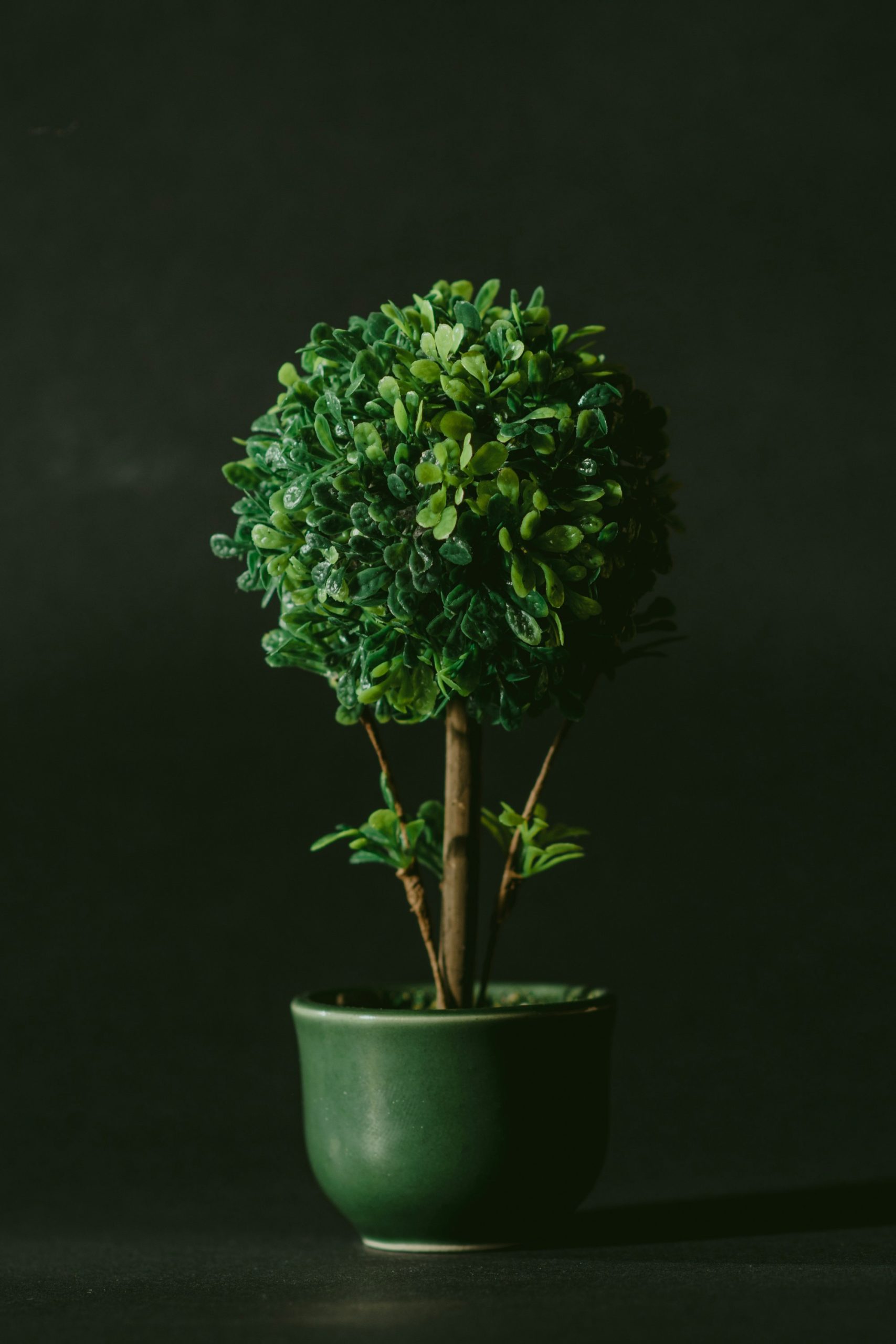
You’ve been there. You walk through the nursery and every plant looks like it belongs in a magazine spread — full, glossy, perfectly shaped, blooming on cue.
You bring one home, plant it with care, water it faithfully… and within a few weeks it’s leggy, pale, or just not the plant you fell in love with. It’s not your fault, and it’s not a faulty plant. Nurseries are running a very different operation than your backyard, and once you understand what they’re doing differently, it’s surprisingly easy to close the gap.
01 — Soil
The Soil Isn’t Even
Close to the Same
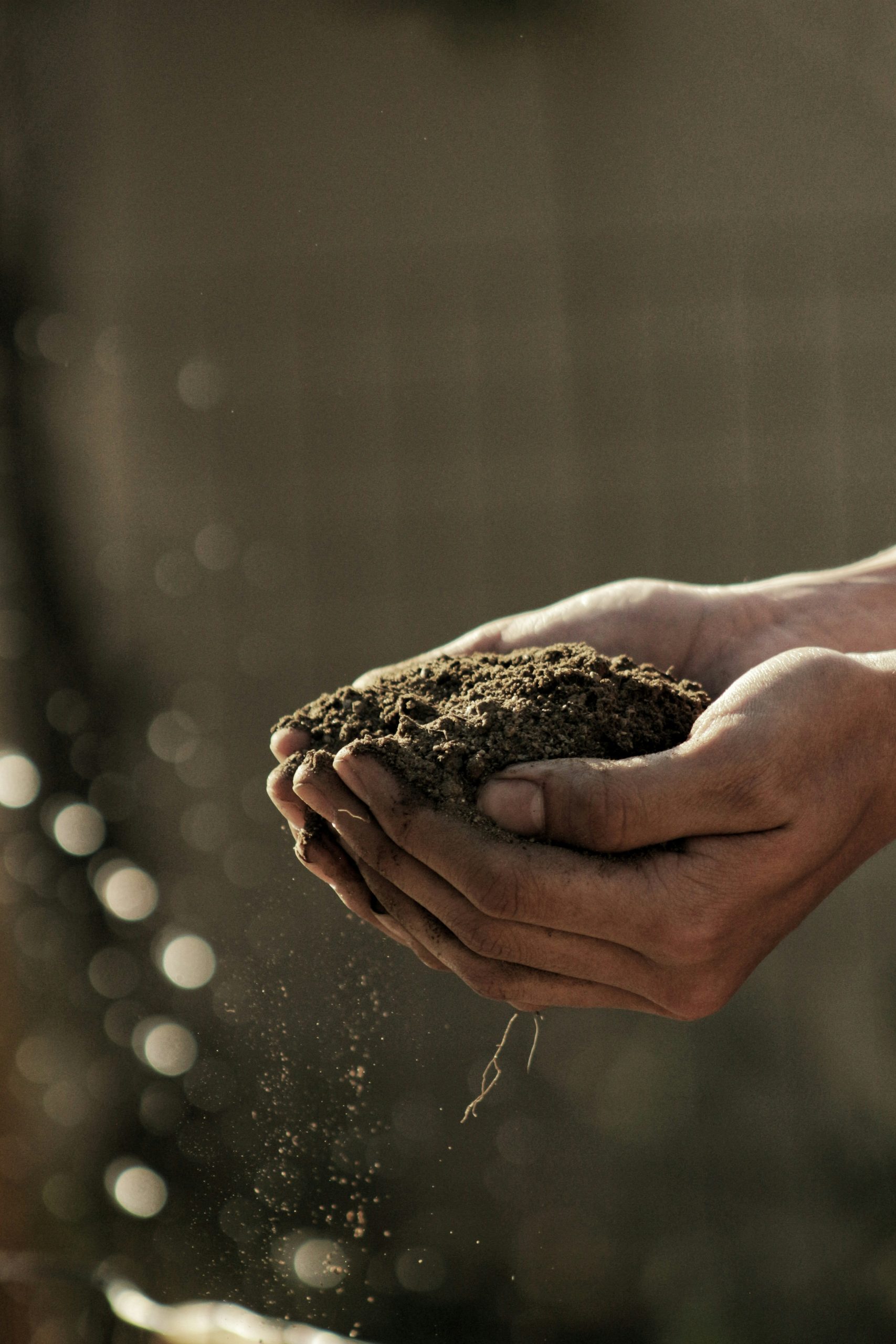
That plant was never growing in soil. It was growing in a soilless potting mix engineered specifically for container growing — usually a blend of peat moss or coconut coir, perlite, and vermiculite. This mix holds moisture evenly, drains fast, stays loose around the roots, and delivers oxygen in a way that garden soil, especially clay-heavy soil, simply can’t match.
The moment you transplant into native soil, roots that were used to effortless access to air and water suddenly have to work for it. Amending the planting hole generously makes a significant difference — blending in a quality compost or planting mix eases the transition instead of forcing an abrupt one.
02 — Fertilizer
Nurseries Feed Far More
Aggressively Than We Do
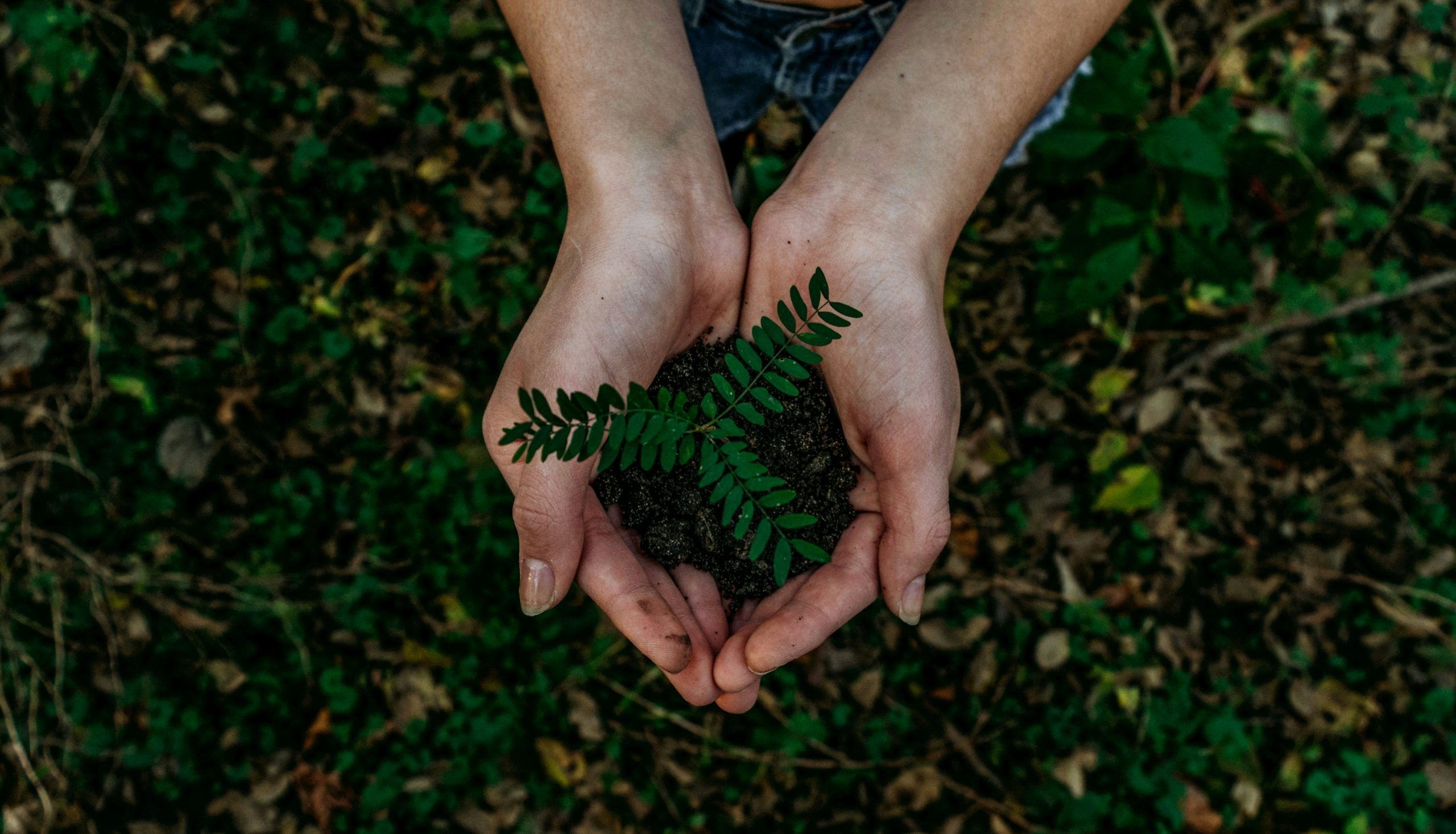
Commercial growers feed almost every time they water, often with a diluted liquid fertilizer delivering a steady stream of nitrogen, phosphorus, and potassium. Many also incorporate slow-release granules directly into the potting mix so the plant never experiences a nutrient lull. That’s how a six-inch perennial gets that much top growth in just a few months.
The combination that works best is a slow-release granular fertilizer at planting time, plus a periodic boost of liquid fertilizer through the growing season. For flowering plants and roses, a bloom-formula fertilizer with extra phosphorus encourages the full, repeat blooming nurseries are known for.
03 — Light
The Light Was Curated —
and Your Garden Might Not Match It
Greenhouses and shade structures give growers total control over light exposure. A plant labeled “part sun” may have spent its whole nursery life under 30% shade cloth — evenly diffused, no harsh afternoon sun. Drop that same plant into blasting western sun and it will scorch or wilt even if the tag technically allows it.
Ease new plants in gradually when possible. A week or two of partial shade while they acclimate prevents a lot of preventable stress. No product will substitute for getting the light placement right — this one is all about observation and patience.

04 — Watering
The Watering Was Precise —
and Very Frequent
Nursery irrigation is usually automated, hitting the same small root ball multiple times a day in warm weather. Once that plant goes into the ground, its root zone suddenly becomes much larger and the watering needs to shift to deep, less frequent soaks that encourage roots to grow outward and downward.
A simple drip irrigation system is genuinely worth it here. It keeps new plantings consistently moist during those first critical weeks, then lets you dial back gradually as they establish — all without relying on memory or a manual schedule.
05 — Pruning
Regular Pruning Kept
Everything Looking Full
Those bushy nursery plants didn’t get that way by accident. Growers pinch and prune regularly to encourage branching and prevent the leggy, reaching growth that happens naturally as a plant stretches toward available light.
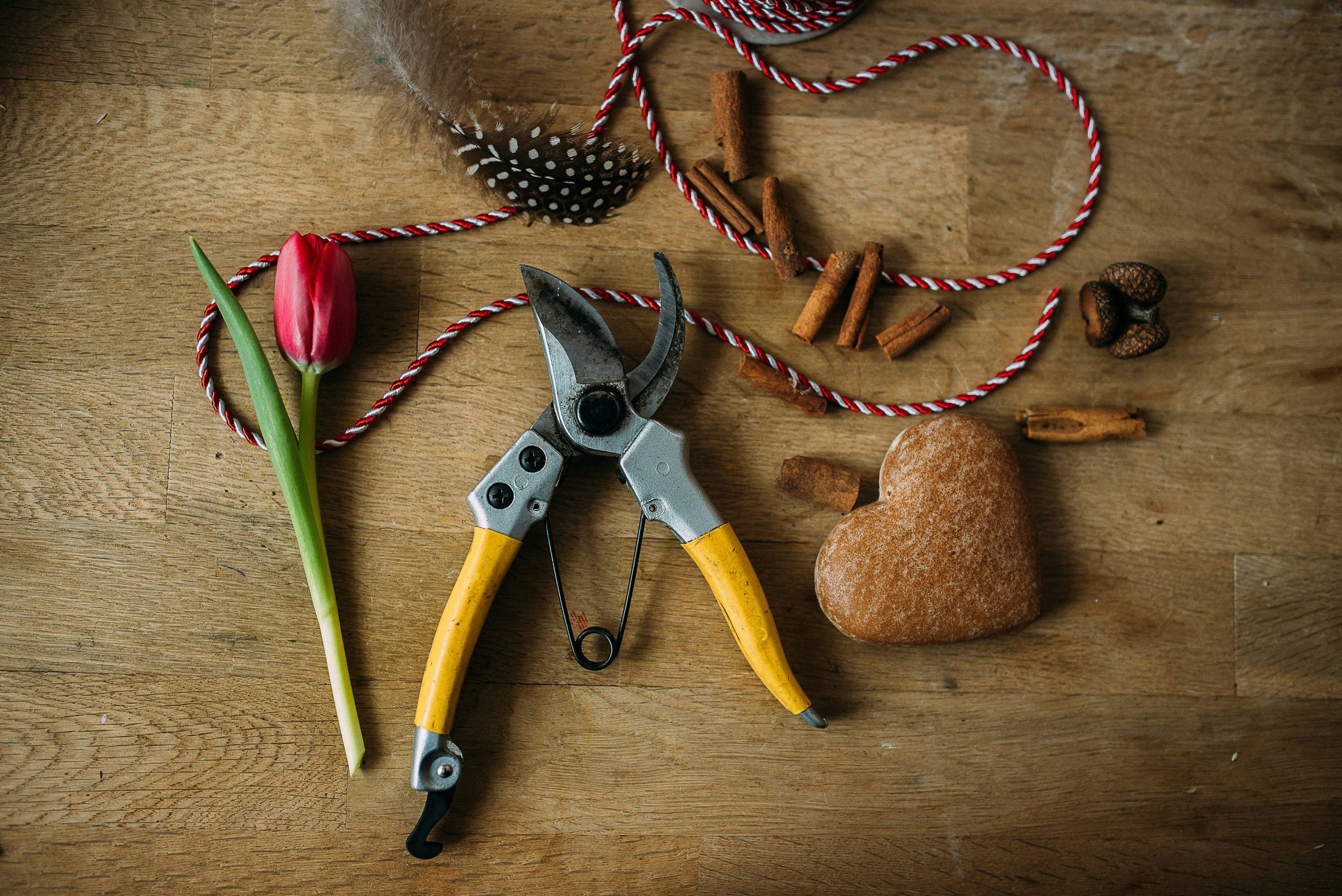
Light, regular pinching of new growth on herbaceous plants — and a yearly structural prune on shrubs and roses — keeps that compact, full shape through the season. A sharp pair of bypass pruners makes an outsized difference. Clean cuts heal faster and cause less stress than crushing anvil-style pruners, which matters especially on young plants still getting established.
Bringing the Nursery Look Home
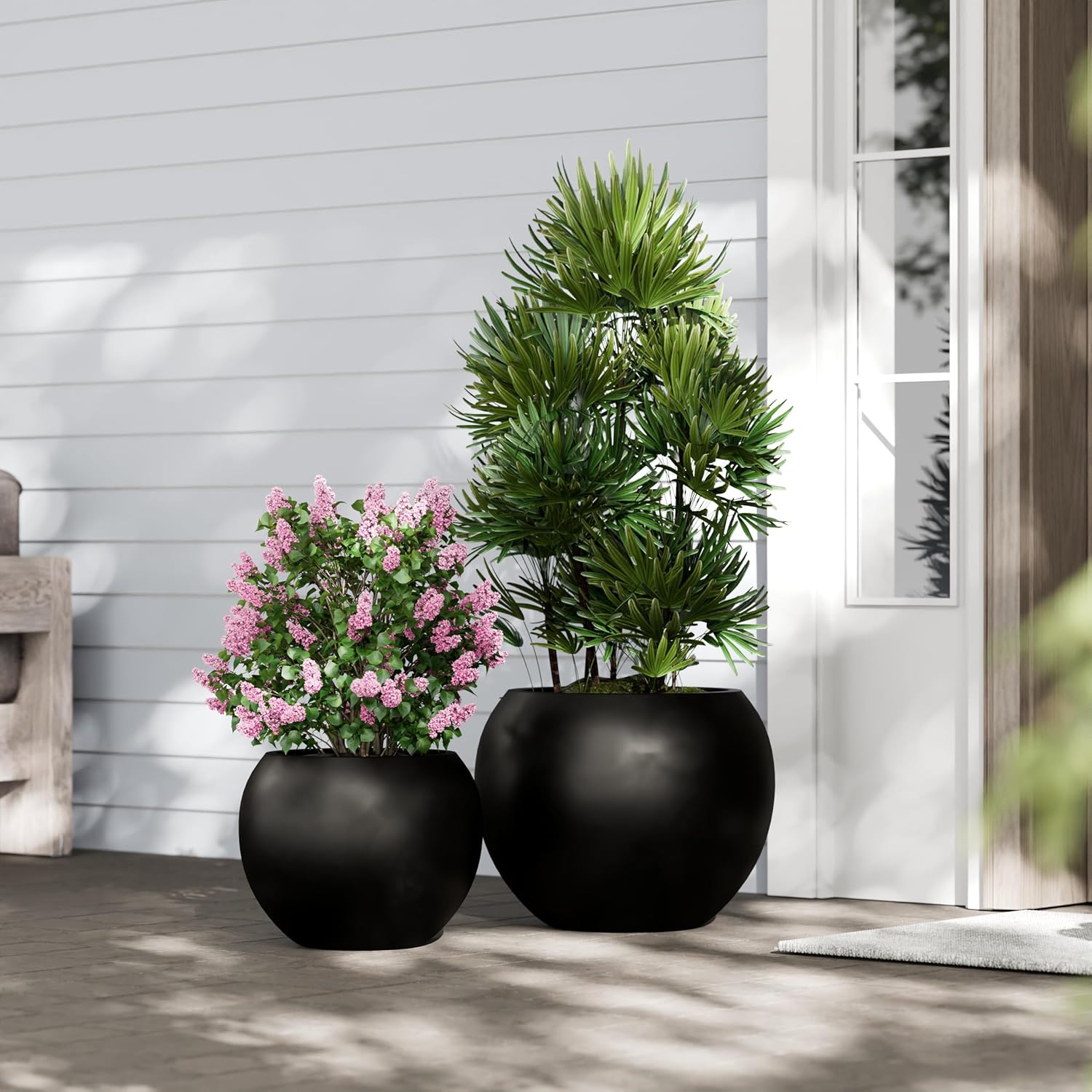
The goal isn’t to force permanent nursery conditions outdoors — it’s to ease the transition and support steady, healthy growth long-term. A few things consistently make the biggest difference in the first season:
- Amended, well-draining soil suited to the specific plant type
- Slow-release fertilizer at planting, with liquid feeding through the growing season
- Careful light matching with a gradual acclimation period
- Consistent, deep watering while roots establish — drip irrigation takes the guesswork out
- Regular light pruning to encourage fullness rather than height
Give a new plant those five things and it’s remarkable how close it gets back to that nursery-fresh look — just rooted into your garden for good this time.
Save this for your next nursery trip.