Destination Milan:Fashion, Design & the Art of Dressing Well
Destination Milan:
Fashion, Design & the Art of Dressing Well
“Milan does not ask you to slow down. It asks you to be precise — in what you wear, where you eat, what you choose. Intention is the Milanese virtue.”
Milan is the Italian city that traveler guidebooks have always slightly underestimated. It has fewer ancient ruins than Rome, no canals like Venice, no Uffizi. What it has instead is an extraordinary present tense — the best contemporary design in Europe, a restaurant scene that has been quietly overtaking Paris for a decade, an aperitivo culture so refined it has become an art form, and a fashion infrastructure that produced Prada, Versace, Armani, and Marni within the same square mile.
It is also the city of Leonardo’s Last Supper, which is reason enough.
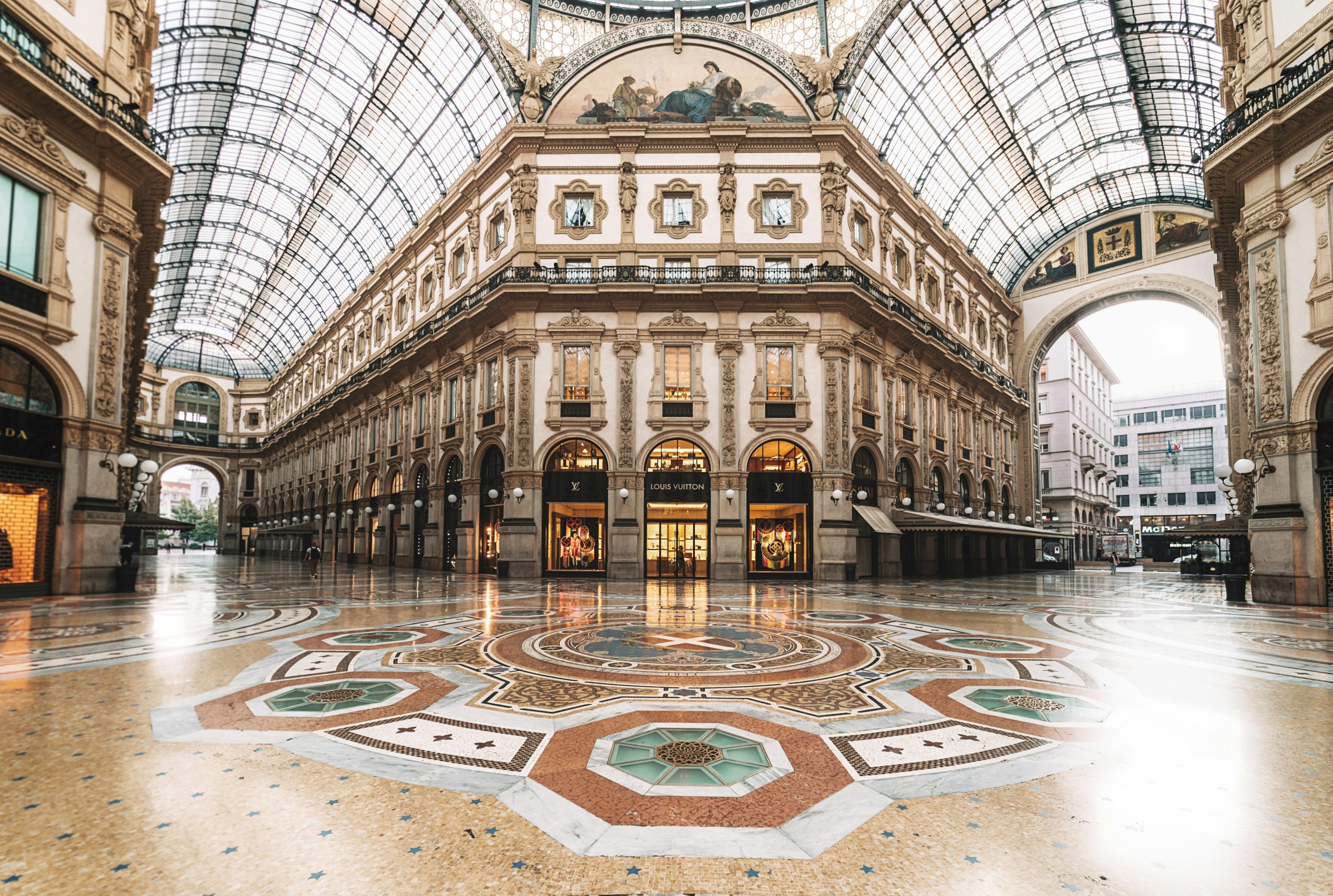
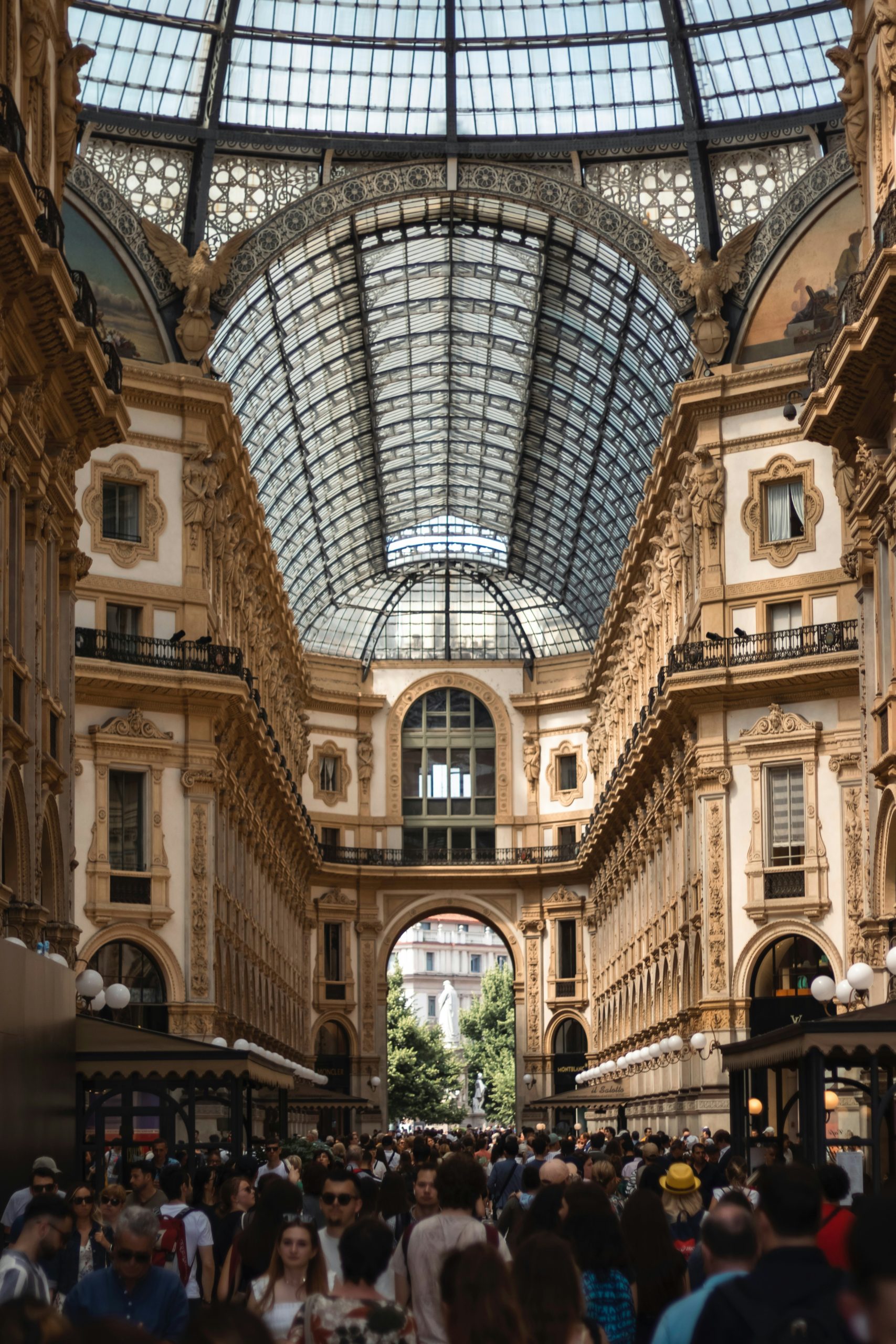
The Galleria Vittorio Emanuele II
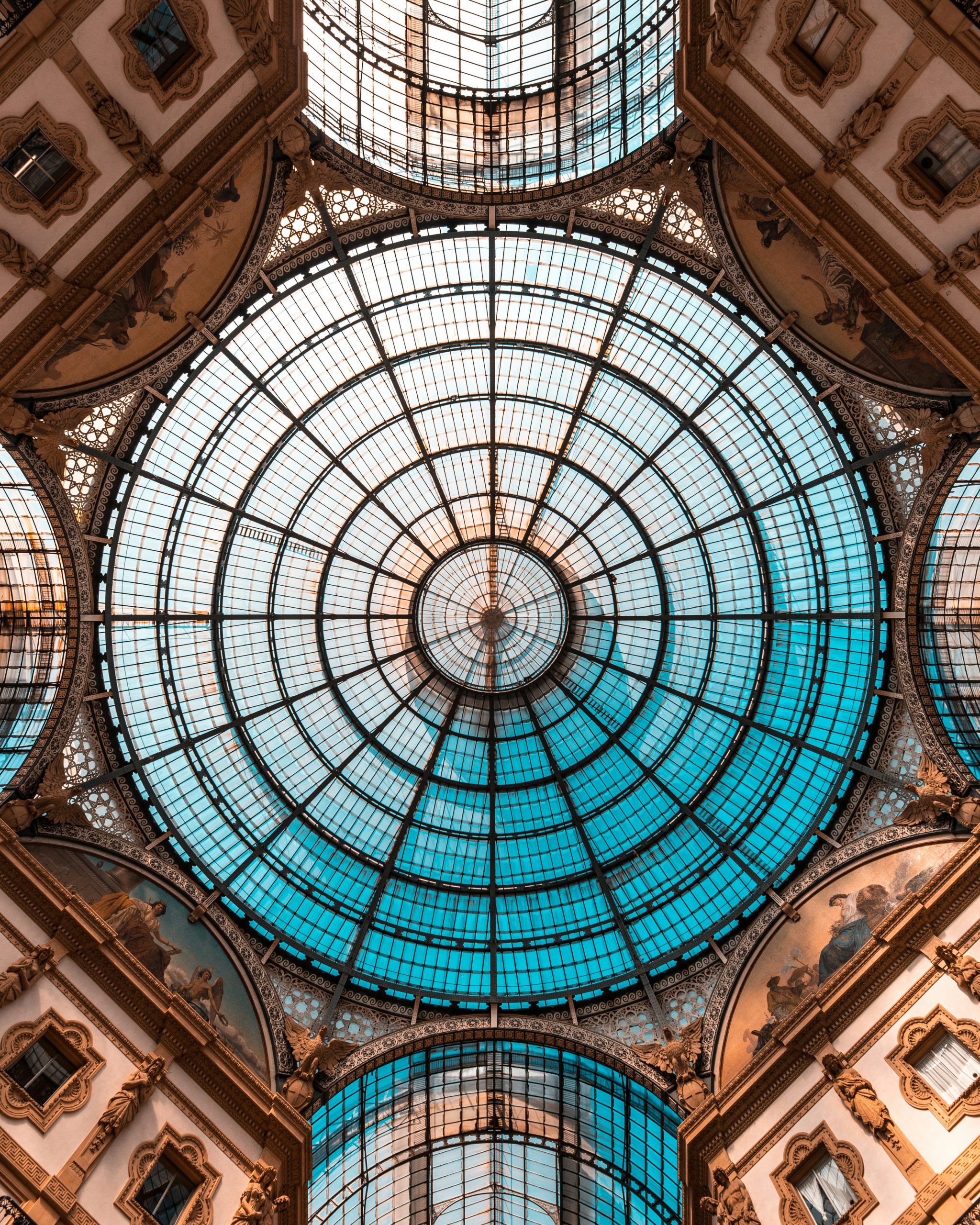
Milan’s magnificent iron-and-glass arcade — the 1877 passage that connects the Duomo to La Scala, and an architectural monument in its own right.
Start Here
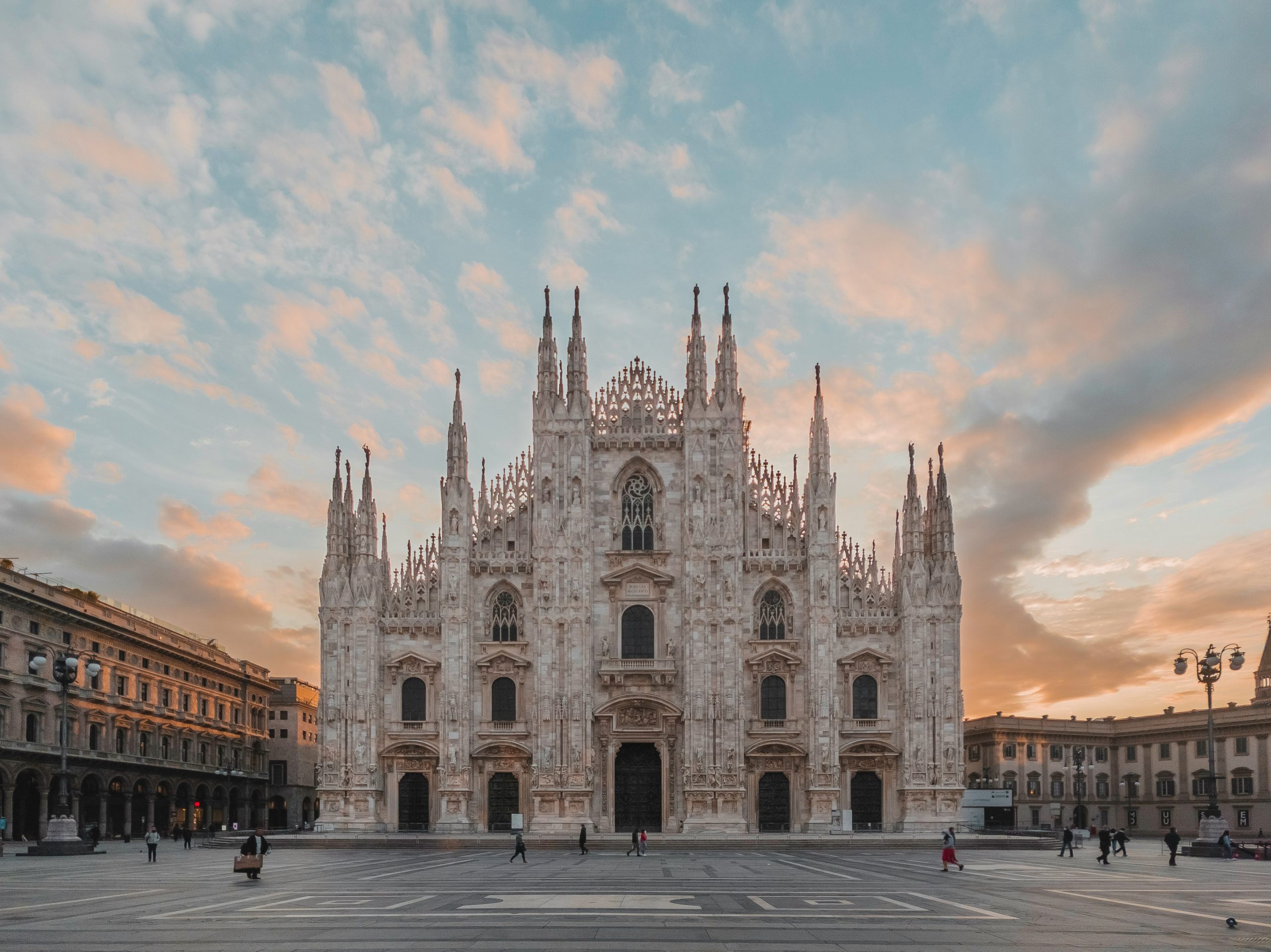
Start here because everyone does, and because the Duomo is genuinely one of the great Gothic cathedrals of Europe — 500 years in construction, 3,400 statues on the exterior, a rooftop terrace with views to the Alps on clear mornings. Book the rooftop separately and go at 9am. Then walk through the Galleria — the 1877 iron-and-glass arcade that connects the Duomo to La Scala. The Prada shop here was Prada’s original location. Stand on the bull mosaic in the floor center and spin on your heel for luck.
The Last Supper
Leonardo da Vinci’s Cenacolo at Santa Maria delle Grazie is the most overbooked 15 minutes in Italy. Timed entry, maximum 25 visitors, strict 15-minute limit. Book the moment your dates are confirmed — sometimes months ahead. Standing in front of the actual painting is quietly shocking. It is larger than you expect, more damaged than you expect, and more moving than you expect.
The Last Supper: Booking Essentials
Before You Book
- Book at vivaticket.com — official site only
- Tickets release approximately 3 months ahead of visit date
- Morning slots (8:15am, 9am) have the best light
- Arrive 10 minutes early — late arrivals lose their slot
- Photography is permitted without flash
The Serious Edit
The Quadrilatero della Moda (The Fashion Quad)
Via Montenapoleone, Via della Spiga, Via Sant’Andrea, Corso Venezia — this is the highest concentration of luxury fashion retail in the world. You do not have to buy anything. Walking it is an education in how clothes can be made, displayed, and sold at the absolute apex of the craft. Walk Via della Spiga on a Tuesday morning when it is quiet and look in every window.
Brera: Design and Independent Shopping
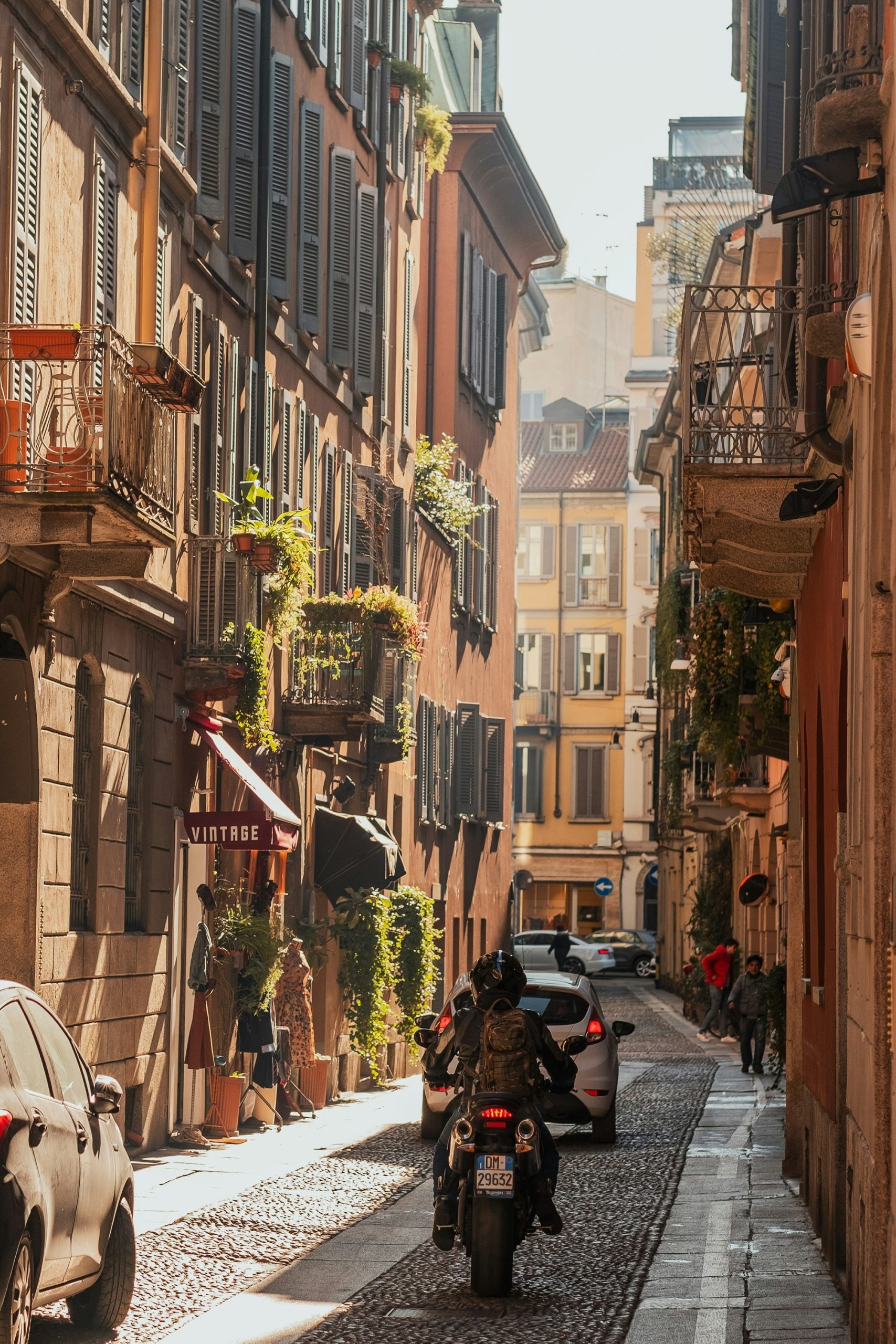
The Brera design district — centered on Via Brera and Corso Garibaldi — is where Milan’s independent boutiques, design showrooms, and concept stores live. Beautiful and contemporary objects without the luxury price tag. The area also has the best bookshops in the city — Libreria Bocca, open since 1775.
The Navigli: Vintage and Antiques
The canal district is Milan’s most bohemian neighborhood: street art, vintage boutiques, outdoor aperitivo bars along the water. On the last Sunday of every month, the Mercatone dell’Antiquariato fills the Naviglio Grande canal bank with 400+ antique and vintage dealers. Arrive at 8am before the crowds and the heat.
Milan Shopping by Category
Where to Shop, by Type
- Luxury fashion — Quadrilatero della Moda: Montenapoleone, Spiga, Sant’Andrea
- Contemporary design objects — Brera district: Via Brera, Corso Garibaldi
- Vintage clothing — Navigli neighborhood: Cavalli e Nastri, Humana Vintage
- Antiques — Mercatone dell’Antiquariato on Naviglio Grande (last Sunday monthly)
- Food to bring home — Peck deli (Via Spadari 9) for aged cheeses, truffle products, cured meats
The Aperitivo: Milan’s Greatest Invention
Milan invented the modern aperitivo — not as a single drink, but as a social institution. A transitional hour between work and dinner (roughly 6:30–9pm) during which bars serve a buffet of food alongside your Negroni, Spritz, or Campari Soda for the price of the drink alone. In the Navigli and Brera, the buffets are elaborate enough to constitute dinner.
Campari Bitters — The Aperitivo Essential
The Negroni and the Campari Spritz were both born in Milan. Bring a bottle home and recreate the aperitivo hour — 1 part Campari, 1 part sweet vermouth, 1 part gin, orange peel.
Find on Amazon →Italian Design: The Complete Guide
A comprehensive reference to Italian design history — Ponti, Castiglioni, Sottsass, Magistretti — makes the Triennale Museum and Brera showrooms infinitely richer.
Find on Amazon →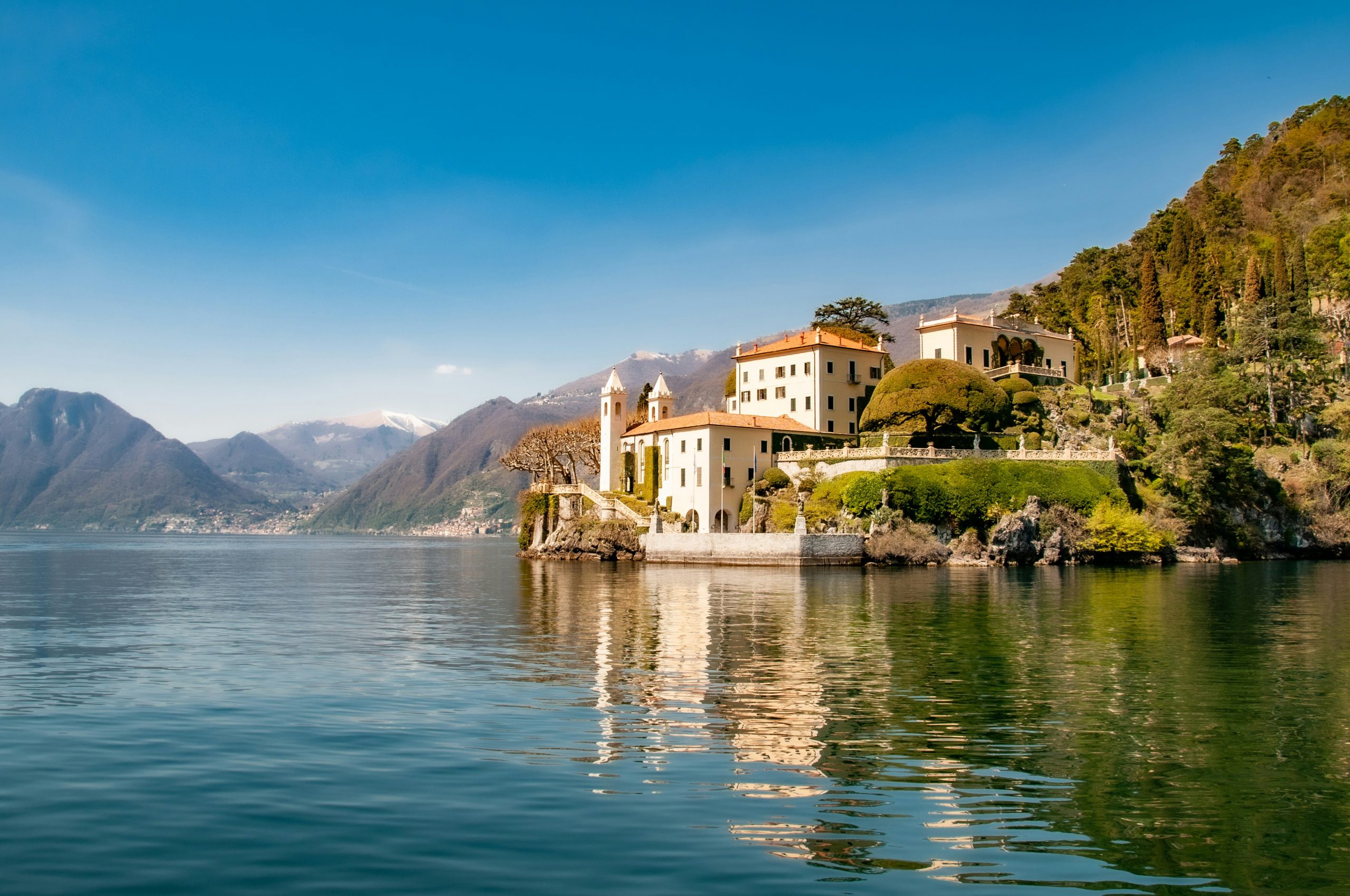
Day Trips from Milan
Lake Como is one hour by train to Varenna or Bellagio — villas, gardens, ferries, lemon trees. Go on a weekday. Bergamo Alta is 50 minutes by train then a funicular to the upper city — medieval walls, zero tourists, incredible polenta. Cremona is the violin-making capital of the world. Mantua is a Renaissance city almost entirely tourist-free, two hours by train.
“Milan is the city that refuses to be romantic about itself. It is precise, ambitious, and perfectly dressed. That is its own kind of beauty.”
Day Trips Worth Taking
Lombardy Beyond Milan
- Lake Como — 1 hour by train to Varenna or Bellagio. Villas, gardens, ferries, lemon trees. Go on a weekday
- Bergamo Alta — 50 minutes by train, then funicular to the upper city. Medieval walls, zero tourists, incredible polenta
- Cremona — 1hr by train. Violin-making capital of the world, extraordinary Romanesque cathedral, the best torrone (nougat) in Italy
- Mantua (Mantova) — 2hrs by train. Renaissance city, Palazzo Ducale, Palazzo Te — and almost entirely tourist-free
Find Your Milan Hotel
Stay in Brera for design and dining, Navigli for atmosphere and nightlife, or near Corso Venezia for easy Quadrilatero access. Browse availability for your dates.
Browse Hotels in Milan