Where to Go in Rome:A Slow Traveler’s Map
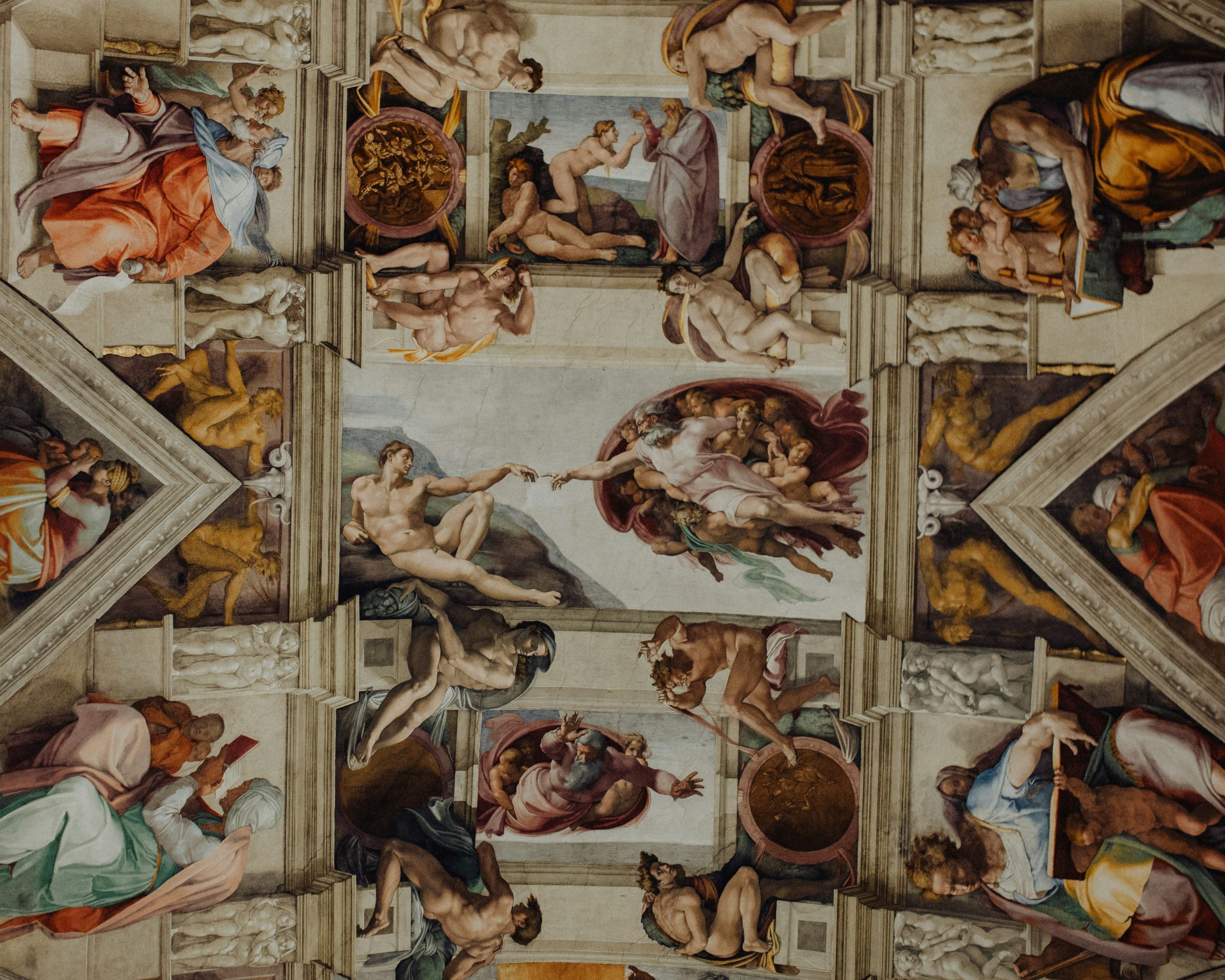
Where to Go in Rome:
A Slow Traveler’s Map
“Rome is not a city you see. It is a city you slowly inhabit — one piazza at a time, one espresso at a time, until it stops feeling foreign and starts feeling like a memory you’ve always had.”
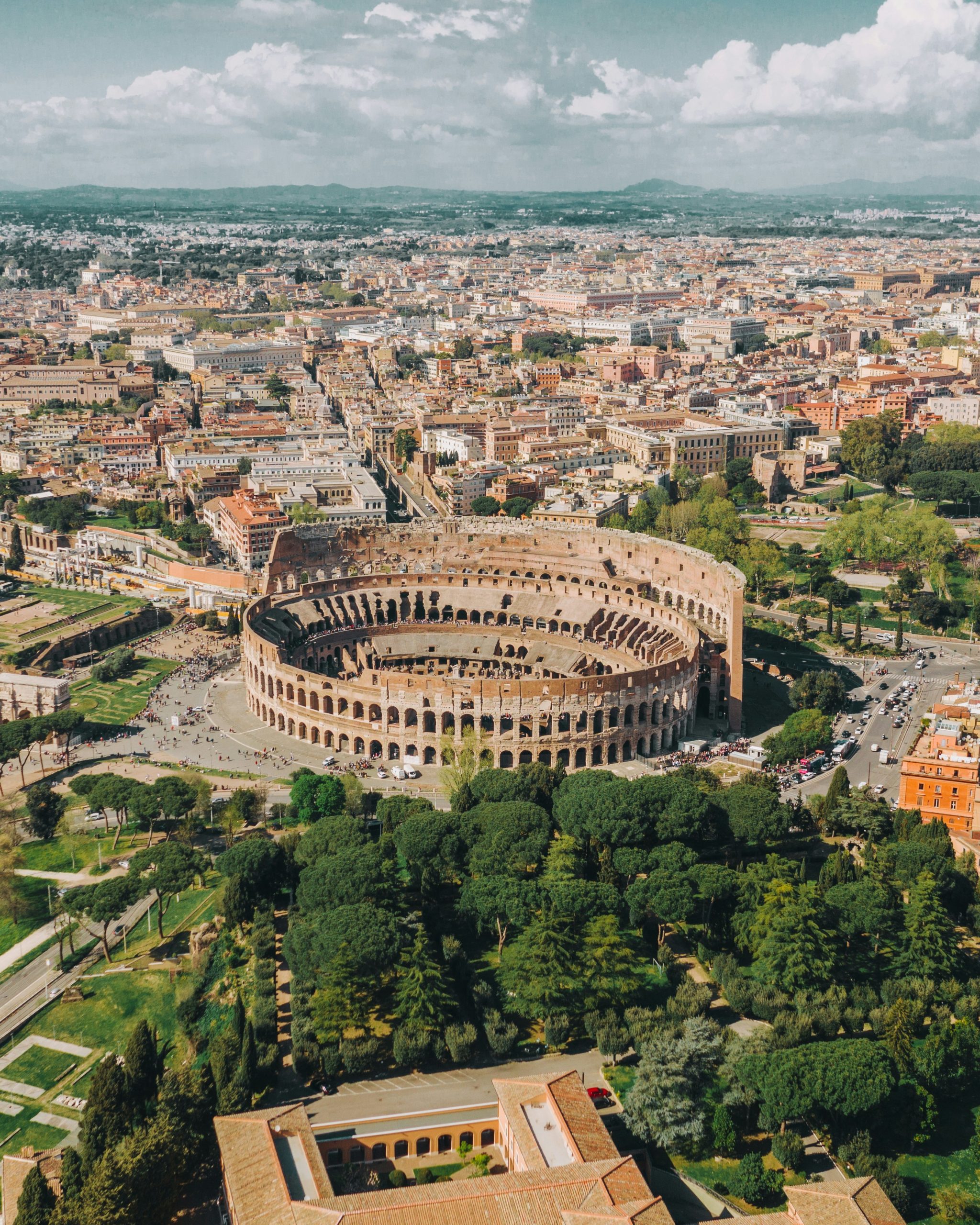
Every first-time visitor arrives with the same list: Colosseum, Vatican, Trevi Fountain, Spanish Steps. These things are iconic for good reason and you should absolutely see them — early, before the heat and the crowds, armed with a timed entry ticket booked weeks ahead. Then put the list away.
Rome’s real gift is its neighborhoods — the rioni — and the way an afternoon wanders when you stop navigating and start noticing. Here is where that wandering takes you.
Worth Your Time
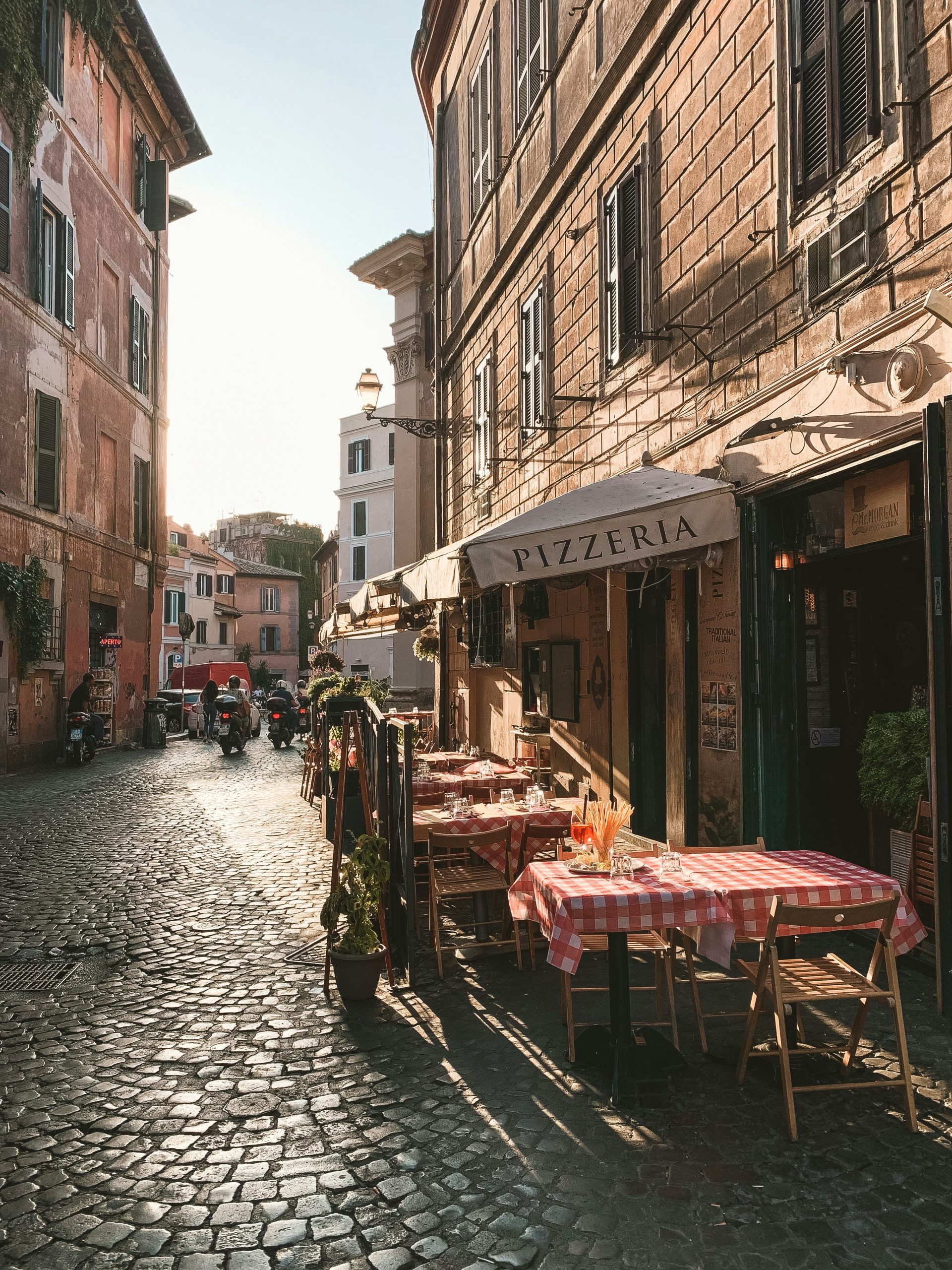
Trastevere
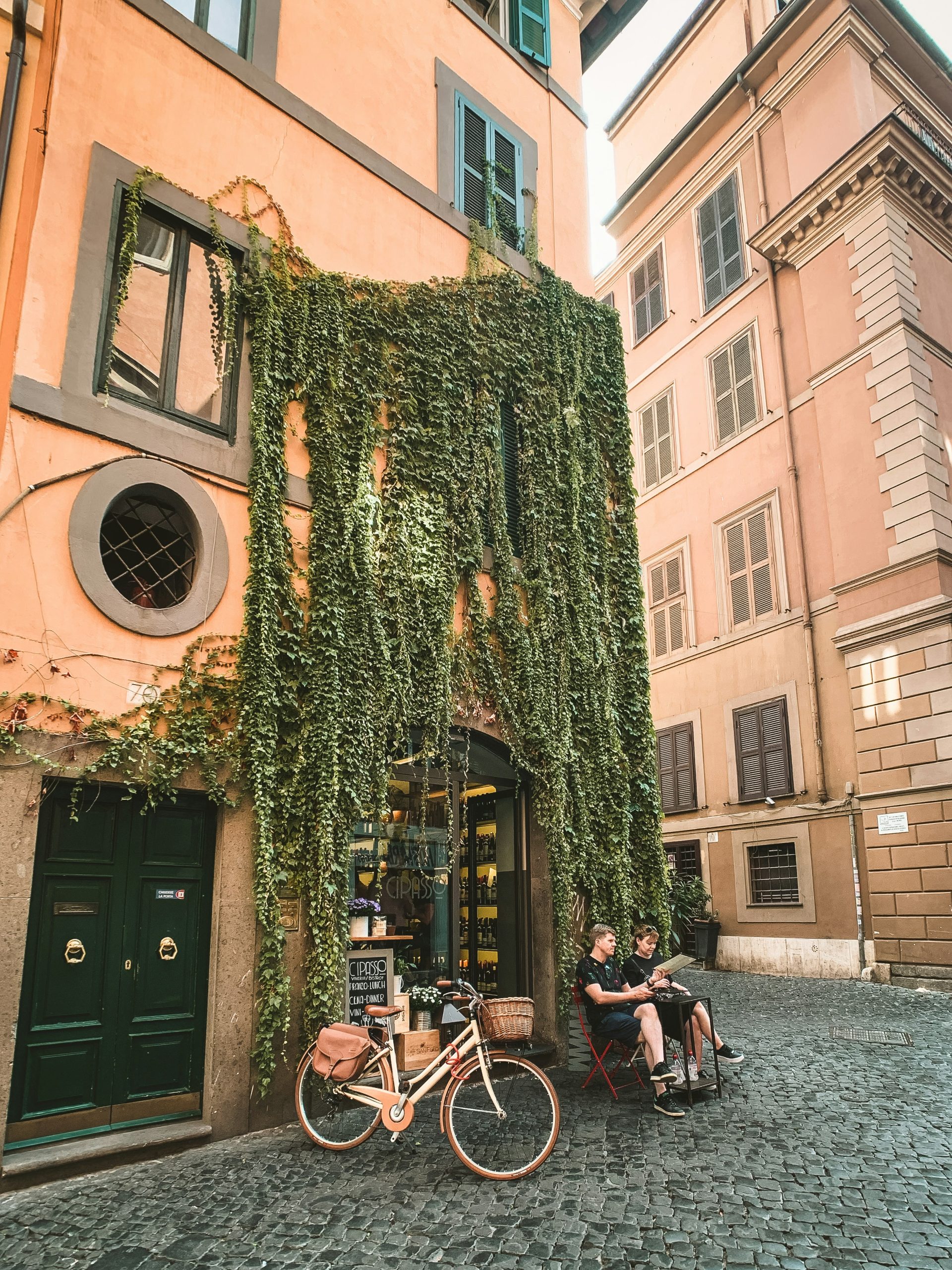
Medieval cobblestones, ivy-draped facades, trattorias that have been in the same family for three generations. Come in the evening, eat cacio e pepe, sit in Piazza di Santa Maria until midnight.
Pigneto
Rome’s creative district — street art, independent wine bars, local market on Tuesdays. Genuinely local, no tourist infrastructure. This is where Romans actually live.
Testaccio
The food neighborhood. The covered market, the best supplì in the city, the non-Catholic cemetery where Keats is buried. Equal parts eating and feeling.
Monti
Between the Colosseum and the train station — vintage shops, aperitivo bars, boutiques that sell things designed by the person behind the counter. Rome’s most charming shopping.
Beyond the Main Sights
Aventine Hill & the Knights of Malta Keyhole
Climb the Aventine Hill at 8am. The Orange Garden gives you the most beautiful view of St. Peter’s dome from a terrace almost no one visits. Then walk two minutes to the Piazza dei Cavalieri di Malta and look through the bronze keyhole — a perfectly framed view of St. Peter’s unchanged for centuries. It costs nothing.
The Borghese Gallery
Timed entry, maximum 360 visitors at once. This is how a museum should be experienced. Bernini’s sculptures — Pluto and Persephone, Apollo and Daphne, David — are among the most astonishing things human hands have ever made. Book weeks ahead. Do not miss it.
Campo de’ Fiori at Dawn
The same piazza that hosts a raucous nightly bar scene becomes a morning produce market at 7am — flower stalls, local vendors, almost no tourists. Buy a peach. Eat it standing up. This is Roman life.
Rome’s Hidden Markets
Rome is not Milan — it doesn’t do sleek minimalist retail. What Rome does is beautiful, dusty, layered: antique dealers spilling onto the street in the Monti neighborhood, the Porta Portese flea market on Sunday mornings — Rome’s largest — the print and map sellers along Via della Pace.
Rome Shopping: Where and When
Markets & Shopping Streets
- Porta Portese Market — Every Sunday, 7am–2pm, Trastevere. Rome’s largest flea market: antiques, vintage clothing, ceramics, oddities
- Via del Governo Vecchio — Vintage boutiques, pre-owned designer, independent labels. Best on weekday mornings
- Monti neighborhood — Artisan boutiques, handmade jewelry, local ceramics, vintage stores
- Via Margutta — Antique galleries and art studios. Audrey Hepburn’s Roman Holiday street
- Mercato di Testaccio — Food market for olive oil, aged cheeses, cured meats to bring home
The Roman Menu
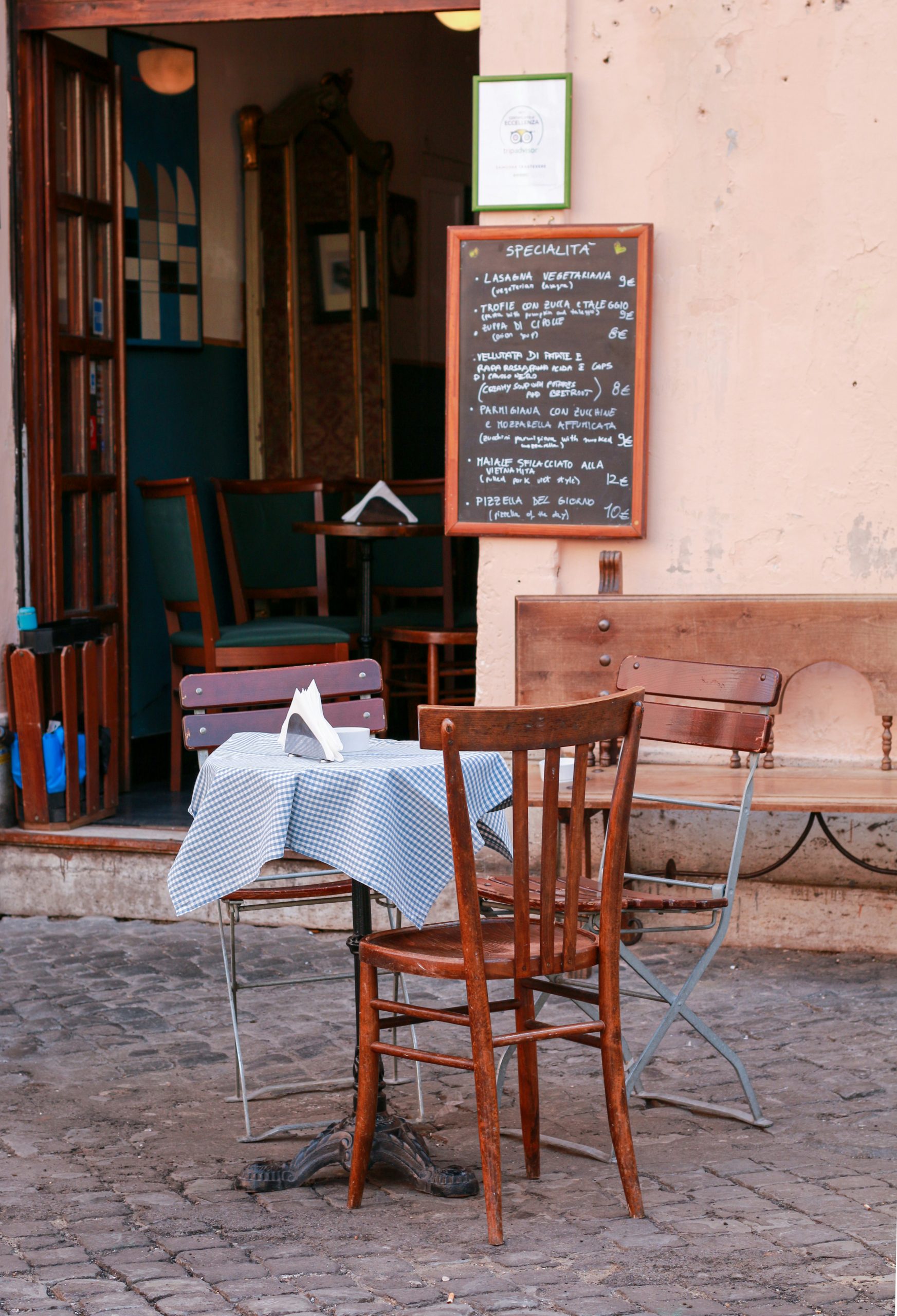
Rome has a short, specific menu and it is perfect. Cacio e pepe. Carbonara (no cream — never cream). Supplì (fried rice balls). Artichokes two ways: alla giudia (Jewish-style, deep fried whole) and alla romana (braised with mint). Gelato from a gelateria that keeps it covered in metal containers, not piled up in lurid mounds. Espresso standing at the bar, always, for less than 2€.
“In Rome, the line between monument and daily life has never been drawn. You eat lunch in the shadow of a 2,000-year-old temple. That is simply Tuesday.”
Getting Around
Rome rewards walkers. The centro storico is smaller than it looks on a map, and the best discoveries happen when you’re not navigating to something specific. For longer distances, Metro Line A connects the major sites efficiently.
Rome Logistics
Before You Go
- Walk everything in the centro storico — distances are shorter than they look on the map
- Metro Line A connects major sites (Spagna, Barberini, Repubblica, Ottaviano for Vatican)
- Taxis from official white cabs only — use the meter, not a negotiated price
- Book the Colosseum, Vatican Museums, and Borghese Gallery weeks in advance — non-negotiable in summer
- Carry cash — many trattorias and market vendors are cash-only
- Afternoon siesta (1–4pm) is real — plan around it or embrace it
Find Your Rome Hotel
Stay in Trastevere for evening atmosphere, Monti for shopping access, or near Campo de’ Fiori for the ideal central location.
Browse Hotels in Rome