Destination Florence:Art, Antiquing & the Art of Shopping Well
Destination Florence:
Art, Antiquing & the Art of Shopping Well
“Florence is the city that invented the Renaissance and never stopped. Every street is a museum. Every doorway hides something beautiful. Every market stall is an argument for the handmade.”
Florence is compact enough to walk end to end in an hour and deep enough to spend a month without exhausting it. The Uffizi alone — if you look at every painting — takes three full days. Most visitors see the Duomo, queue for the David, buy a leather wallet on the Ponte Vecchio, and leave. That is seeing Florence from the outside. Here is how to go in.
Florence’s Best-Kept Neighborhood
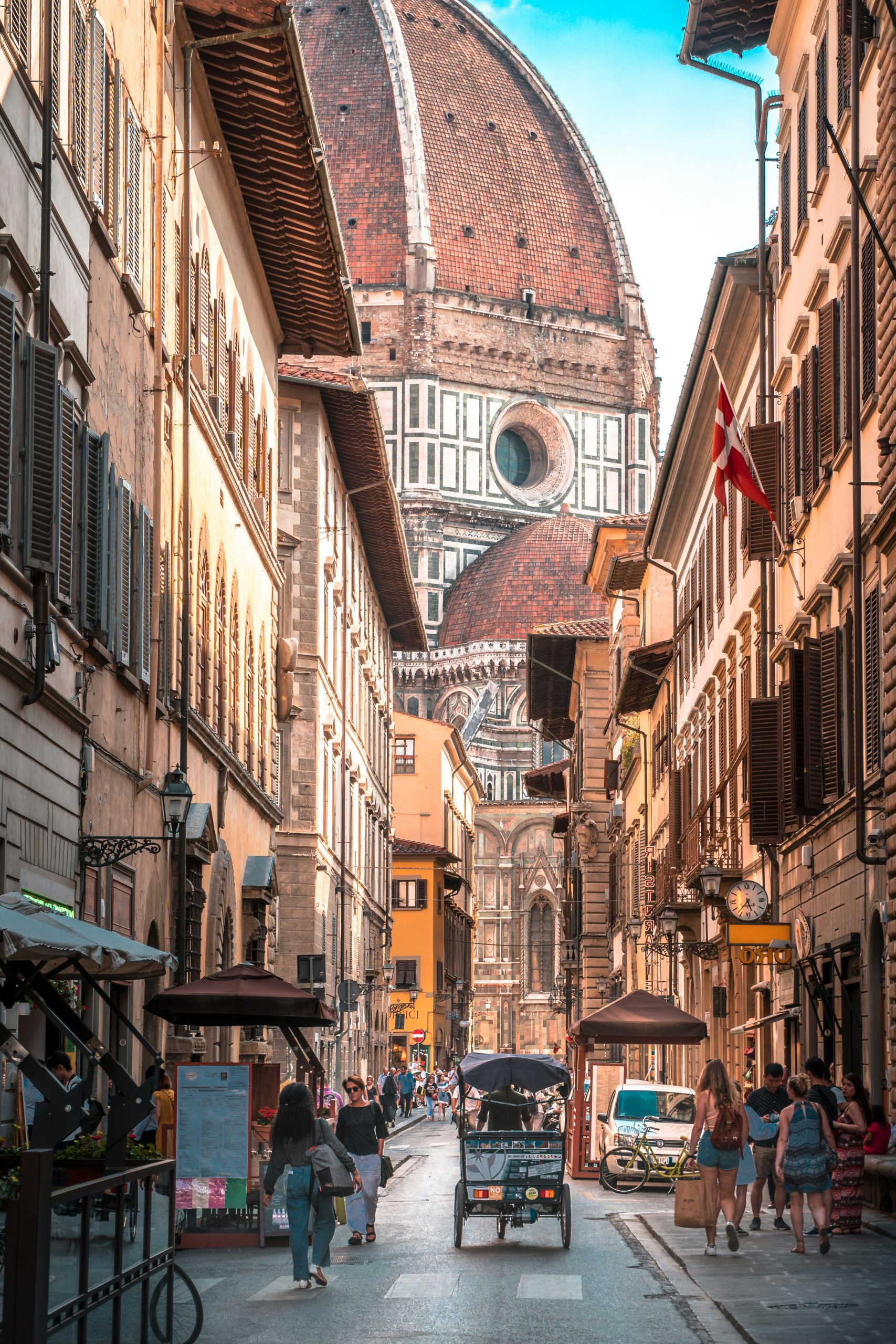
Cross the Arno. The south bank — the Oltrarno, literally “beyond the Arno” — is where Florentine artisans have worked for five centuries and where the city’s best antique dealers, independent bookshops, and neighborhood trattorias cluster in a warren of narrow streets between the Ponte Vecchio and Piazzale Michelangelo.
Piazza Santo Spirito
The heart of the Oltrarno — Brunelleschi’s lesser-known basilica, a weekly organic market on Sundays, aperitivo bars facing the square. The most Florentine piazza in Florence.
Via Maggio
The antique dealer street. Palazzo-scaled shops selling Renaissance furniture, silver, paintings, and objects at serious collector prices. Even window-shopping is an education.
Antiquing in Florence: What to Know
Florence has been trading antiques since the Medici were buying them. The city has three tiers of the market: the high-end galleries of Via Maggio and Borgo San Jacopo, the mid-market dealers around Santo Spirito and San Frediano, and the treasure-hunt market at the Piazza dei Ciompi flea market — held on the last Sunday of each month, with a smaller daily market on the piazza itself.
Florence Antique Markets: Dates & Locations
- Piazza dei Ciompi — Small daily flea market, larger last-Sunday-of-month fair. Prints, ceramics, vintage linens, jewelry
- Mercato delle Pulci — Near Piazza dei Ciompi, permanent antique dealers, open most days
- Via Maggio galleries — High-end antique galleries, open Tuesday–Saturday
- Arezzo Fiera Antiquaria — Day trip (1hr by train): Italy’s most famous antique fair, first Sunday of every month. Thousands of vendors across the historic center
- Lucca Antique Market — Third Sunday of the month, one hour by train. Smaller, excellent quality
Piazza Grande, First Sunday
If your visit overlaps with the first Sunday of the month, take the 7am train to Arezzo. The Fiera Antiquaria fills the entire historic center — Piazza Grande and surrounding streets — with 500+ dealers selling everything from Roman coins to Art Nouveau jewelry to 18th-century engravings to beautifully worn linen. Bring cash, bring a tote bag, bring patience. Budget the whole day.
The Edit
Leather
Florence is the leather capital of Italy. Avoid the market stalls on Via Porcellana selling machine-made goods branded as Florentine. The real leather is at the Scuola del Cuoio — the leather school inside the Basilica di Santa Croce, where artisans work in view and sell finished goods — at Officine Nora, and at the smaller family workshops in San Frediano.
Paper and Books
Florentine marbled paper — carta marmorizzata — is one of the great craft traditions of the city, dating to the 13th century. Buy notebooks, journals, and desk accessories from Giulio Giannini e Figlio on the Oltrarno (in business since 1856) or Il Papiro near the Duomo.
Shop the Florence Edit
Italian Leather Tote Bag
If you don’t find the perfect bag in Florence’s workshops (you likely will), a quality Italian leather tote brings the same aesthetic home. Full-grain vegetable-tanned leather ages into something beautiful.
Find on Amazon →Hardcover Marbled Journal
The closest you can get to a Florentine paper shop at home. A beautifully bound marbled journal is the Italy souvenir that keeps being useful long after the trip ends.
Find on Amazon →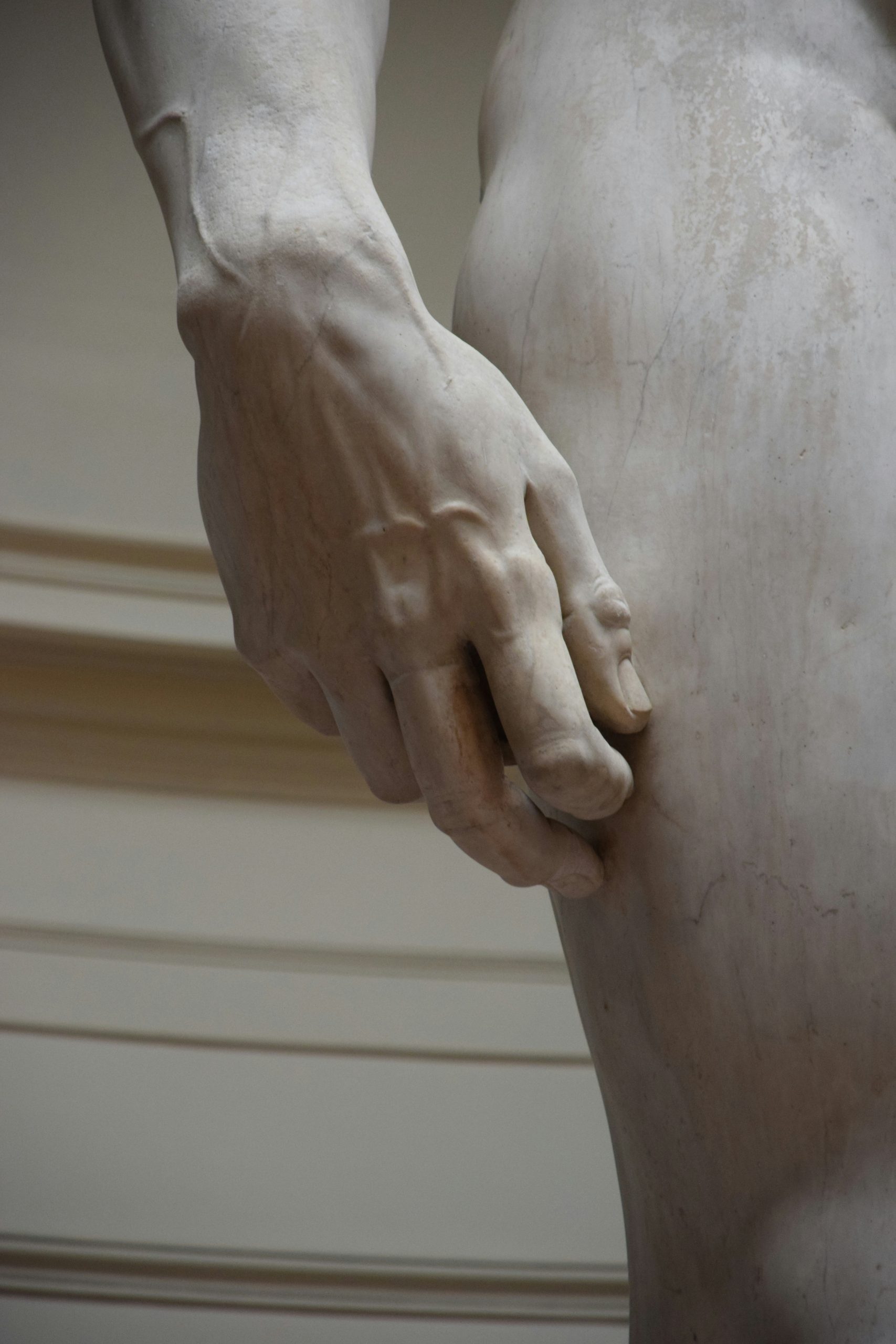
What Not to Miss
Florence holds an outsized share of the masterpieces that defined Western art — and in summer, every one of them requires planning. Here is what to prioritize and book ahead.
The Art: What Not to Miss
Florence Art Priorities (Book All in Advance)
- Uffizi Gallery — Botticelli’s Birth of Venus and Primavera. Book minimum 3 weeks ahead in summer
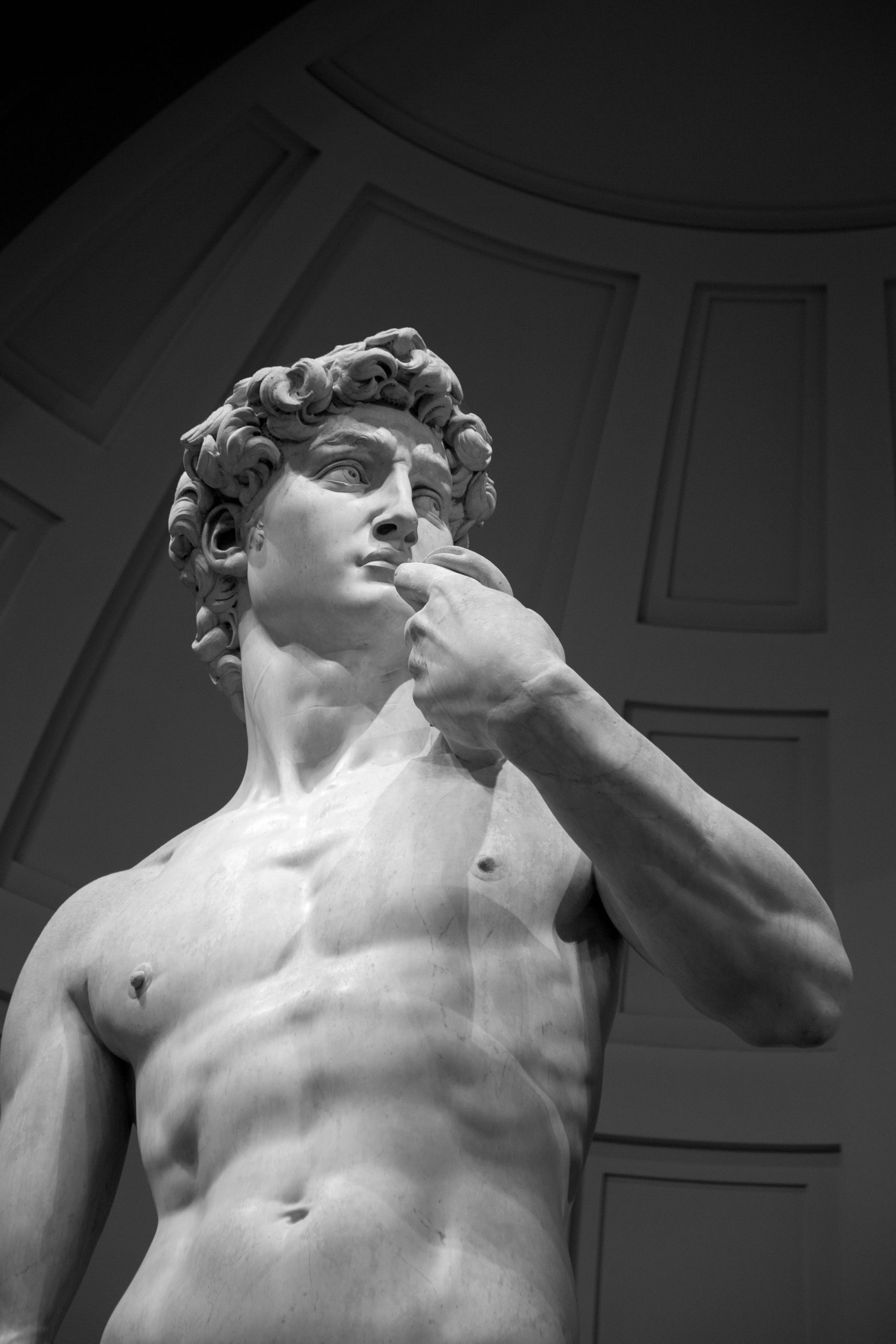
- Accademia — Michelangelo’s David. Timed entry essential; morning slots go first
- Bargello — Undervisited and extraordinary: Donatello’s David, Verrocchio bronzes. Often no queue
- Brancacci Chapel — Masaccio’s frescoes in Santa Maria del Carmine. Limited entry, book ahead, profoundly moving
- Boboli Gardens — Medici garden behind Palazzo Pitti. Go at opening, stay two hours
“In Florence, beauty is not preserved behind glass. It is the street corner. It is the doorway. It is the light at 6pm falling on stone that has been warm since the Medici walked past it.”
Find Your Florence Hotel
Stay in the Oltrarno for the most authentic experience — walk to everything, eat where Florentines eat, and wake up to the bells of Santo Spirito.
Browse Hotels in Florence