The Spring Garden Planning Checklist
A MONTH-BY-MONTH GUIDE
How I plan my whole garden from the kitchen table, December to May
For years, spring ambushed me. One warm Saturday in April I’d race to the garden center, come home with far too many plants, jam them in wherever there was a gap, and then spend all summer wondering why the tomatoes were swallowing the peppers.
Then my neighbor Carol, who grows the kind of garden people slow their cars to look at, told me her secret. “Honey, I do my real gardening in January. At the kitchen table. In my pajamas.”
She was right. So here’s the exact checklist I use now. Pour a cup of tea, tick off a few things each week, and let spring feel like a celebration instead of a scramble.
Before anything else: look up your USDA hardiness zone and your average last frost date. Your local extension office is the best source. Nearly every date below depends on those two numbers, so jot them on a sticky note and keep it on the fridge. The timing here is for a typical mid-range zone, so shift a few weeks earlier if you’re somewhere warm and later if you’re somewhere cold.
DECEMBER
Reflect & Rest
The garden is asleep, and honestly, you’ve earned a breather too. December is for remembering, while last season is still fresh.
- Write down what thrived, what sulked, and what you’re never growing again (looking at you, Brussels sprouts)
- Note which beds got the most sun and which stayed shady
- Clean and store hoses, tomato cages and stakes
- Slip a few garden goodies onto your holiday wish list
JANUARY
Dream & Design
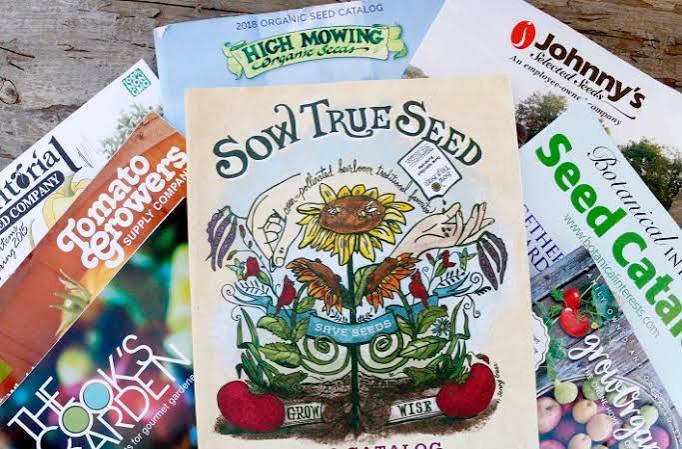
My favorite month of the whole planning year. The seed catalogs arrive, and suddenly anything feels possible.
- Confirm your hardiness zone and last frost date
- Go through leftover seeds and test old packets: 10 seeds on a damp paper towel, and see how many sprout in a week
- Circle everything in the catalogs, then make your real list (and maybe cut it in half)
- Sketch your beds on graph paper or in a planner
- Plan crop rotation so tomatoes, peppers and potatoes don’t land in last year’s spot
- Pencil in companions, like basil tucked by the tomatoes and marigolds everywhere
FEBRUARY
Order & Organize
This is when the dreaming turns into doing, and it’s the most satisfying kind of busywork.
- Order seeds early, before the popular varieties sell out (they always do)
- Order seed potatoes, onion sets and any bare-root plants
- Clean, sharpen and oil your tools. Future-you will be so grateful
- Scrub and sanitize old pots and seed trays
- Set up your seed starting shelf and lights
- Count back from your frost date to make a simple seed starting calendar
MARCH
Soil & Structure
The first days you can get your hands in the dirt again. I always stand there a little longer than I need to, just breathing it in.
- Test your soil’s pH and nutrients
- Spread 1 to 2 inches of compost once the soil is no longer soggy
- Fix wobbly raised beds, sagging fences and tired trellises
- Prune fruit trees, roses and summer-blooming shrubs while they’re still dormant
- Start slow growers indoors: peppers, onions and many flowers
- Pull winter mulch back a little at a time as it warms
APRIL
Plant the Cool Crops
Finally, real planting! The cool-weather crops love these crisp spring days just as much as we do.
- Direct sow peas, spinach, lettuce, radishes and carrots
- Plant onion sets and seed potatoes
- Start tomatoes, squash and cucumbers indoors
- Divide crowded perennials and share the extras with a friend
- Keep frost cloth close by for those sneaky late cold snaps
- Set up a rain barrel before the spring showers
MAY
Warm Crops & Finishing Touches
The big moment. Every bit of winter planning pays off this month.
- Harden off seedlings over 7 to 10 days before they go outside
- Plant tomatoes, peppers, squash and basil after your last frost date
- Direct sow beans, corn, zucchini and sunflowers
- Lay drip irrigation or soaker hoses
- Mulch beds to hold moisture and keep weeds down
- Stake and cage tomatoes at planting time, not in July when they’re already sprawling
- Pour yourself something cold and admire what you’ve built
The Planning Tools That Make It Easier
I’ve tried a lot of gadgets over the years. These are the handful I actually reach for every spring.
A Home Soil Test Kit
For years I fed my garden blindly. One simple test showed my soil was far too acidic, and a little lime later my tomatoes finally took off. Knowing beats guessing.
A Seed Storage Box
My seed packets used to live in a shoebox avalanche. Now they’re sorted by planting month, and planting day feels calm instead of chaotic.
A Garden Tool Sharpener
Ten minutes on a gray February afternoon and my pruners cut like new all season. Clean cuts are healthier for plants, too.
A Raised Bed Kit
Thinking of adding a bed this year? Raised beds warm up faster in spring, drain better, and are so much kinder to your back.
A Drip Irrigation Kit
Install it in May and you’ll get your summer evenings back. It waters right at the roots, saves water, and keeps leaves dry and healthy.
Want one place to keep all of this? A simple garden planner notebook with layout grids and planting calendars is what I use, and next year’s planning starts with real notes instead of fuzzy memories.
Your Questions, Answered
When should I start planning my spring garden?
December or January is ideal. You’ll have time to look back on last season, order seeds before they sell out, and start slow growers on schedule.
How do I find my last frost date?
Your local cooperative extension office is the most reliable source, and many online tools will look it up by ZIP code.
What is crop rotation, and does it really matter?
It just means moving each plant family to a new spot every year. It keeps soil-borne diseases and pests from building up, so yes, it really helps.
Do I need to test my soil every year?
Every two or three years is plenty for most home gardens, unless something seems off.
I’m overwhelmed. Where do I start?
With your last frost date. Then pick just three or four things from this list. Even a little planning makes a big difference.
Here’s to Your Best Garden Yet
You don’t have to do every single thing on this list. Pick a few, enjoy the quiet planning season, and trust that it all adds up. Some July evening, standing in a garden full of tomatoes and zinnias, you’ll remember these cozy winter afternoons and smile.
What are you most excited to grow this year? Tell me in the comments. I read every single one, and I love hearing what’s going into your beds. 🌻
Pin this checklist so it’s waiting for you when planning season rolls around!
A quick note: This post contains affiliate links. If you buy through them, I may earn a small commission at no extra cost to you, which helps keep this little blog growing. As an Amazon Associate, I earn from qualifying purchases. I only share things I use or would happily use in my own garden.