12 Garden Products That Aren’t Worth the Money (And What I Use Instead)
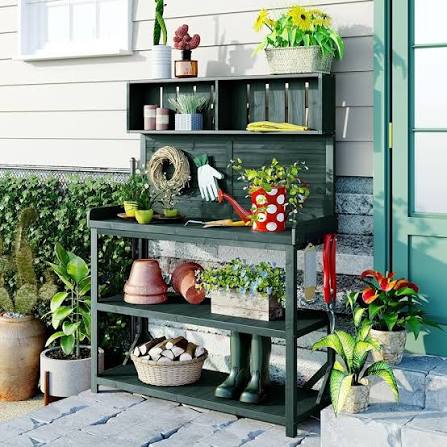
12 Garden Products That Aren’t Worth the Money (And What I Use Instead)
Every spring, the garden aisle is a beautiful trap. Glossy boxes promise bigger tomatoes, weed-free beds and plants that water themselves. I have bought more of them than I care to admit.
After years of trial, error and a garage shelf full of regret, I have learned a quiet truth: the best gardens are rarely built on gadgets. They are built on good soil, a few honest tools and habits that cost almost nothing.
So here are the 12 garden products I no longer spend money on, why they disappointed me, and the simple swaps I reach for instead. Your wallet, and your garden, will thank you.
 01Skip it
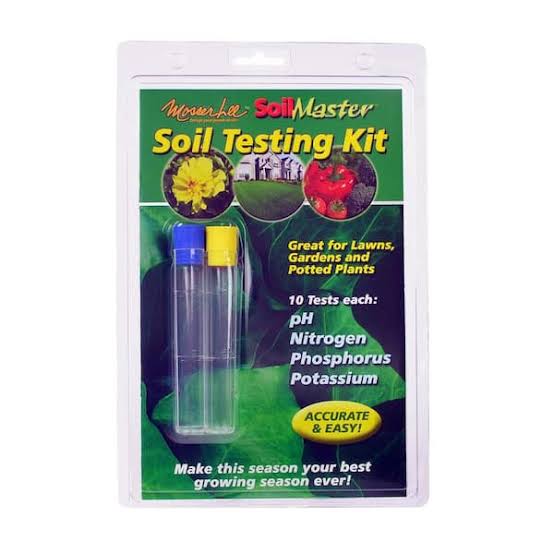
Cheap 3-in-1 soil meters
Those little probes that claim to read moisture, light and pH are tempting at checkout. In practice, the readings drift from one spot to the next, and the pH needle is unreliable at best. I once “corrected” a bed based on one and made things worse.
What I use instead
A proper soil test from my local cooperative extension office every few years, plus the oldest moisture meter there is: my finger. Push it in to the second knuckle. Dry? Water. Damp? Wait.
 02Skip it
Small bags of “garden soil” for raised beds
Filling a raised bed one small bag at a time is the most expensive way to do it. Many bagged blends are also light, woody and slump within a season, so you end up buying more next year.
What I use instead
A bulk blend of topsoil and compost, delivered by the cubic yard from a local landscape supplier. I fill the bottom of deep beds with logs, branches and leaves first (a lighter take on hugelkultur), so I need less soil overall.
 03Skip it
Seed-starting kits with peat pellets
The tidy trays with expanding pellets and plastic domes look foolproof. But the pellets dry out fast, the mesh can restrict roots, and the kits are often designed to be thrown away after one or two seasons.
What I use instead
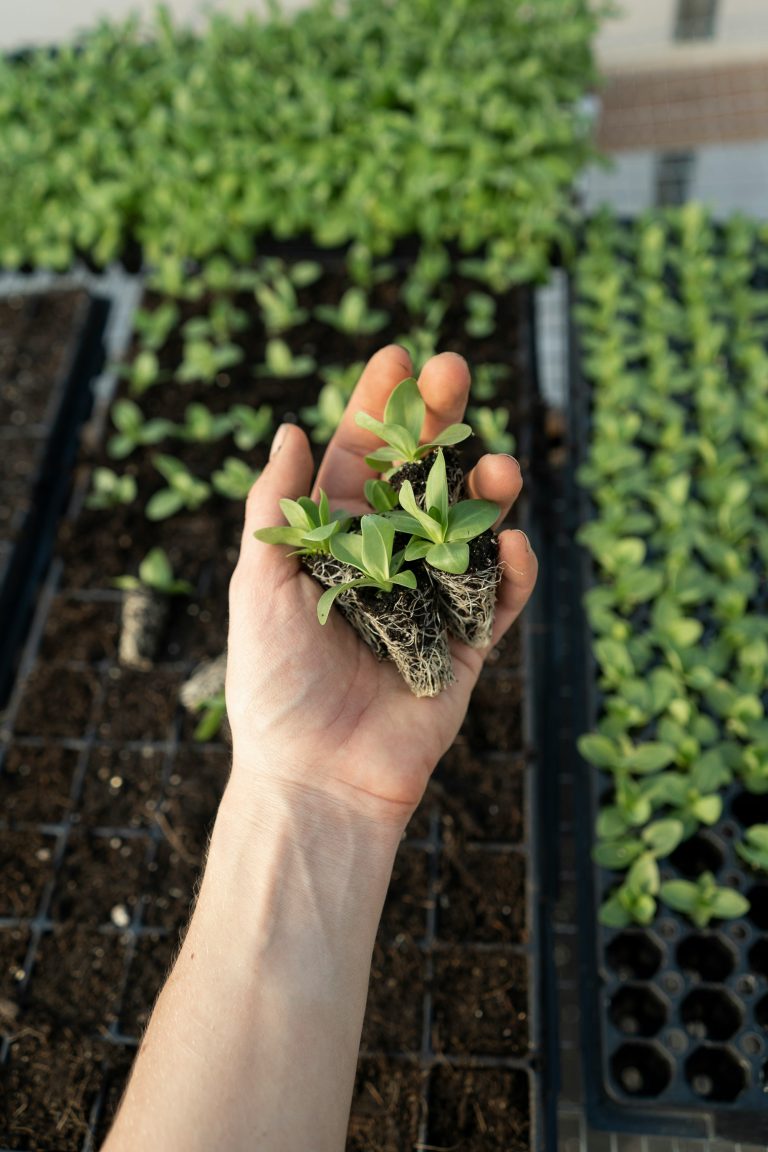
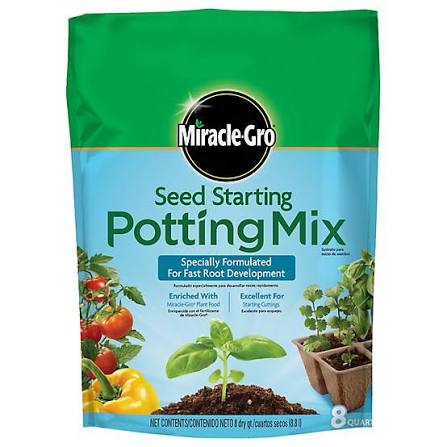
A bag of good seed-starting mix and containers I already own: yogurt cups with holes poked in, takeout trays, or toilet paper rolls for beans and squash. If I want to treat myself, a soil blocker removes the need for pots altogether.
 04Skip it
Gimmicky weeding gadgets
Twisting claws, spring-loaded pullers and late-night-infomercial weeders promise effortless results. Most work beautifully on one type of weed in perfect soil, and nowhere else.
What I use instead
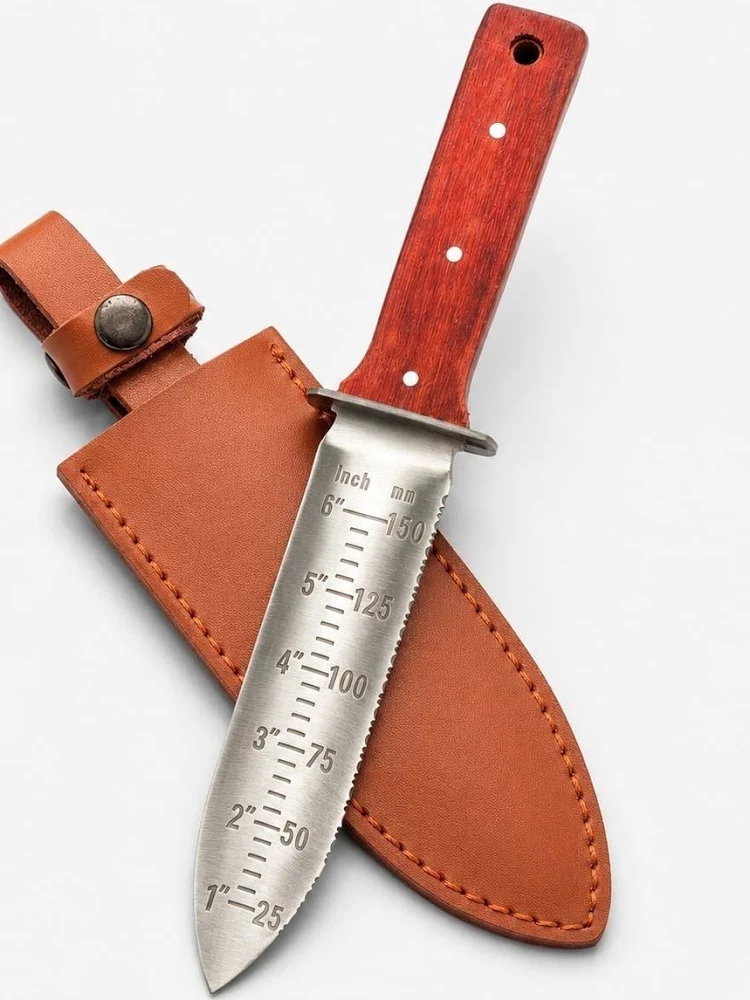
Two humble tools. A hori hori knife digs, divides, cuts twine and pries out taproots. A stirrup (hula) hoe slices young weeds just below the surface on the push and the pull.
 05Skip it
Upside-down tomato planters
A clever idea that rarely delivers. The hanging bags dry out quickly in summer heat, the stems bend upward toward the light and can snap, and yields are usually modest.
What I use instead
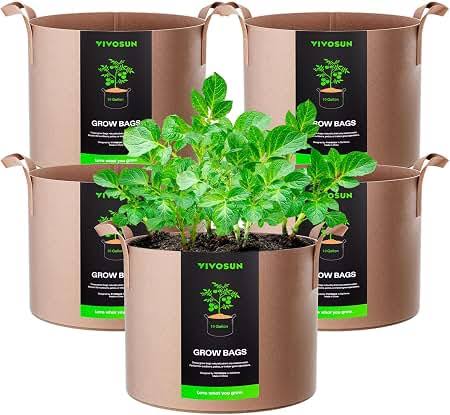
A 5-gallon bucket with drainage holes, or a 10-gallon fabric grow bag, plus a sturdy stake or cage. Tomatoes want deep roots and consistent moisture. Give them both and they reward you generously.
 06Skip it
Expandable “never-kink” hoses
Light, compact and pleasing for about one season. Then the inner tube weakens, the fittings leak, and one day it bursts mid-watering. I replaced three before learning my lesson.
What I use instead
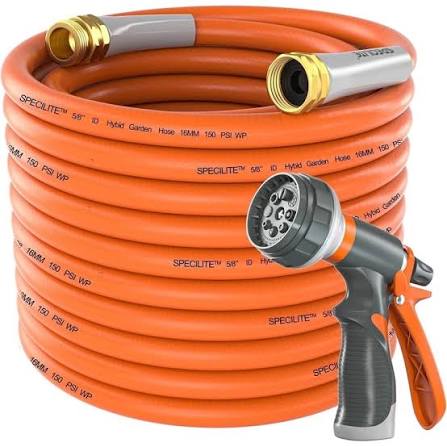
A single quality rubber or hybrid hose with brass fittings. It costs more up front but lasts for many years. Paired with a simple hose reel, kinks stop being a daily battle.
 07Skip it
Landscape fabric (weed barrier)
It looks like the end of weeding forever. Within a couple of years, mulch breaks down on top of it, weeds root right into that layer, and the fabric tangles with roots. It also keeps organic matter from feeding the soil.
What I use instead
Sheet mulching. Plain brown cardboard (tape removed) straight over the weeds, soaked, then 3 to 4 inches of wood chips or shredded leaves. It smothers weeds, then quietly becomes soil. Local arborists often drop off chips for free.
 08Skip it
Ultrasonic & solar pest-repeller stakes
The solar spikes that buzz to scare off moles, gophers or deer have very little good evidence behind them. Animals tend to get used to the sound quickly, if they notice it at all.
What I use instead
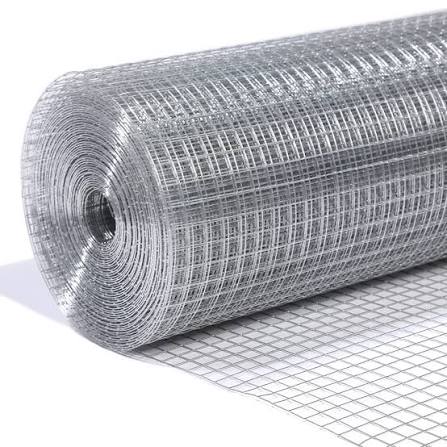
Physical exclusion, which works. Hardware cloth baskets under raised beds and around bulbs stop burrowers cold. A properly tall fence or netting deters deer and rabbits. One afternoon, and it simply works.
 09Skip it
Bug zappers
The satisfying crackle is misleading. Research has long shown that zappers kill large numbers of harmless and beneficial insects, while biting mosquitoes make up a small share of the catch.
What I use instead
I tip out standing water weekly, use Bti mosquito dunks in rain barrels and ponds, and run an oscillating fan on the patio in the evening. Mosquitoes are weak fliers, so a gentle breeze is surprisingly effective.
 10Skip it
Fertilizer spikes
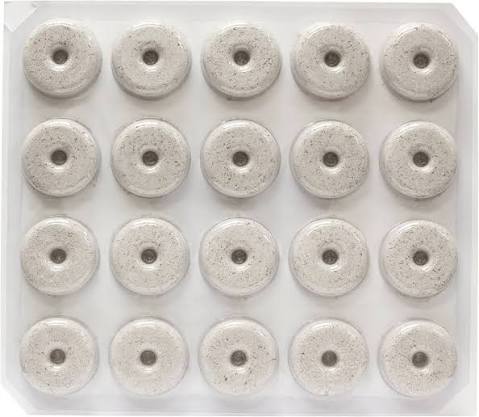
Push-in spikes feel convenient, but they release nutrients in concentrated pockets right where they sit. Roots on the other side of the plant get little, and the area around the spike can get too much.
What I use instead
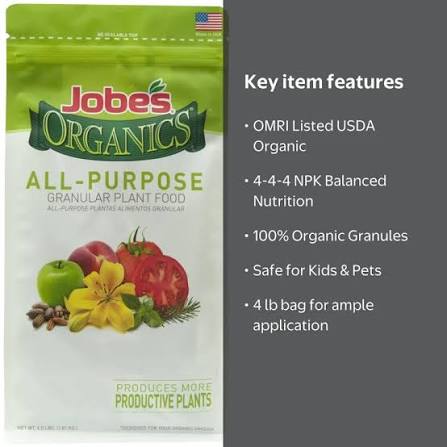
A top-dressing of compost each spring, plus a balanced slow-release organic granular fertilizer scattered evenly around the root zone when a soil test says it’s needed. For pots, a little worm castings goes a long way.
 11Skip it
Matching gift-box tool sets
The pretty floral sets with a trowel, fork, cultivator and gloves are lovely to unwrap. Too often the metal is thin, the handles loosen, and the trowel bends the first time it meets clay.
What I use instead
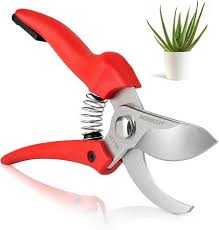
Fewer, better tools bought one at a time. A forged steel trowel, good bypass pruners with replaceable blades and springs, and gloves that fit will outlast a dozen gift sets. Buy the tool you reach for most first.
 12Skip it
App-connected “smart” planters
Wi-Fi self-watering planters, sensor apps and subscription pods promise a garden that runs itself. Many depend on one company’s app staying alive, and replacement pods can cost more than the plants.
What I use instead
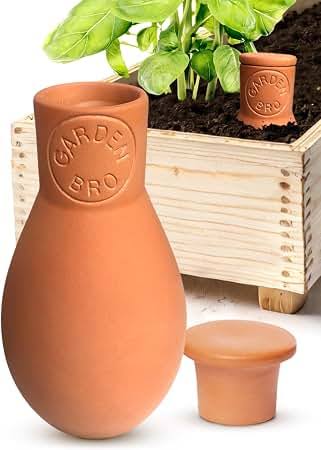
Low-tech self-watering. Unglazed clay ollas buried beside plants seep water slowly into the root zone. For pots, a cotton wick from a reservoir does the job. For beds, a drip line on a battery hose timer covers vacations beautifully.
The quick swap guide
Save it for your next trip to the garden center.
Where I do spend money
Frugal doesn’t mean cheap. These are the few things I happily pay more for, because they earn it back every season.
- Bypass prunersWith replaceable parts. A clean cut keeps plants healthy.
- A good hose + timerA rubber hose and a battery hose timer.
- Gloves that fitYou’ll actually wear them, and your hands will thank you.
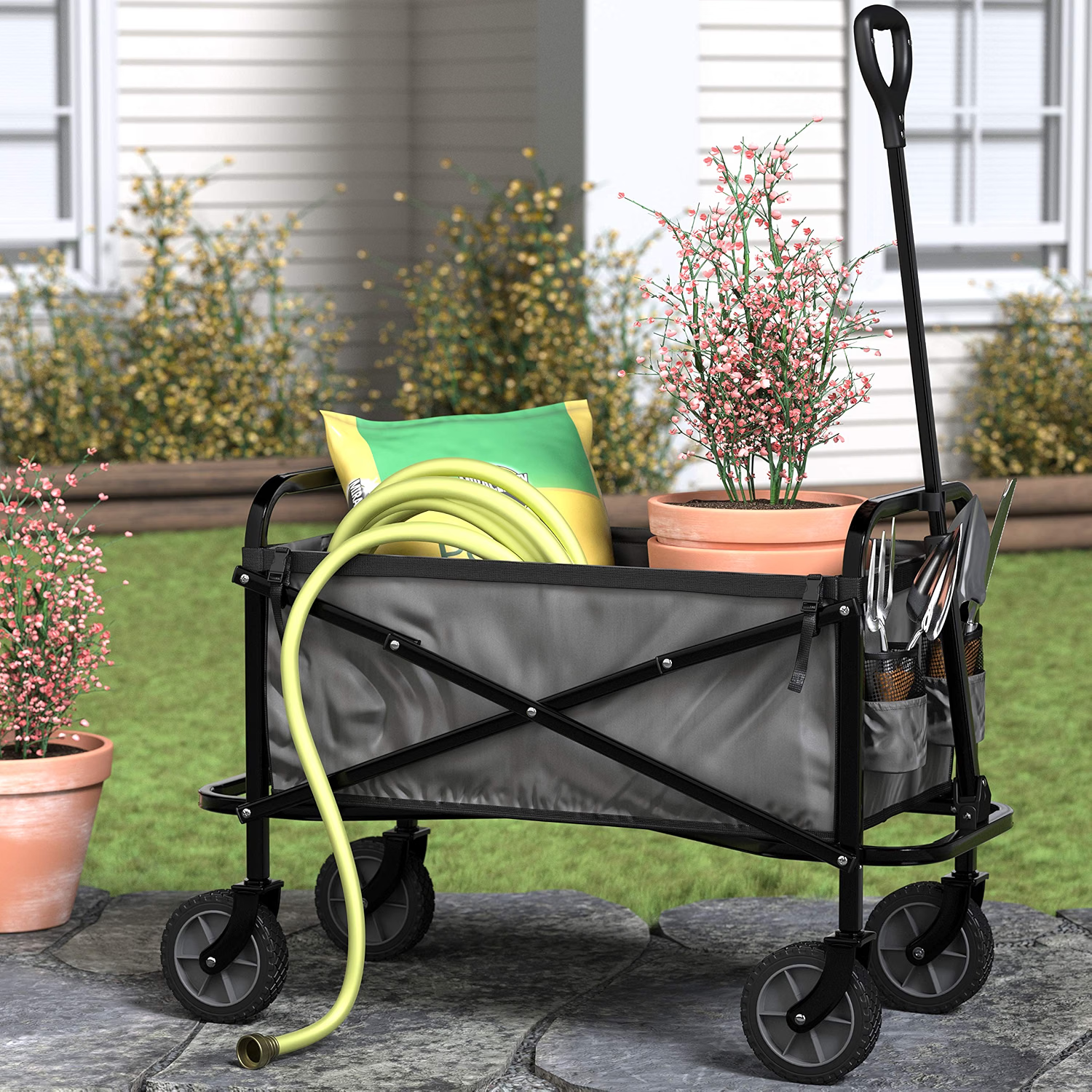
- A sturdy cartSaves your back on every compost, mulch and soil run.
- Quality seedsFrom reputable seed companies, suited to your region.
Final thoughts
The garden industry is very good at selling solutions to problems a little soil, patience and observation already solve. The gardens I admire most aren’t full of gadgets. They’re full of compost, well-worn tools and someone who walks through them every morning with a cup of coffee.
Start with your soil, buy the few tools that matter, and let the rest stay on the shelf. You’ll spend less and, I promise, grow more.
Frequently asked questions
What is the most overrated garden tool?
For most home gardeners, cheap 3-in-1 soil meters and gimmicky weeding gadgets. They look useful but rarely give reliable results compared with a soil test and a good hori hori.
Is landscape fabric worth it in vegetable beds?
Generally no. It blocks organic matter from reaching the soil and becomes hard to remove. Cardboard topped with mulch suppresses weeds and improves the soil as it breaks down.
What is the cheapest way to fill a raised bed?
Order a topsoil and compost blend in bulk, and fill the bottom of deep beds with logs, branches and leaves to reduce how much soil you need.
Do ultrasonic mole and gopher repellers work?
The evidence for them is weak. Hardware cloth under beds and around plantings is a far more dependable solution.
What garden tools are worth investing in?
Quality bypass pruners, a forged trowel, a hori hori knife, a durable hose and a sturdy wheelbarrow cover most of what a home garden needs.