13 Parking Lot Plants That Thrive on Neglect (and Look Gorgeous)
Low-Maintenance Garden Guide
13 Parking Lot Plants That Thrive on Neglect
The humble shopping-center island hides gardening’s best-kept secret: plants that look polished all year while asking for almost nothing.
Think about the last time you crossed a grocery store parking lot in August. The asphalt was radiating heat, the irrigation was probably broken, and car doors, shopping carts and road salt had been battering those little planting islands for years. Yet the shrubs and grasses there were still green, still blooming, still holding their shape.
Those are parking lot plants. Commercial landscapers choose them because they survive heat, drought, poor soil, reflected sun and total neglect. Bring the same plants home and you get a garden that looks intentional and lush, without the weekend-eating upkeep.
Below are 13 proven winners, from structural evergreen shrubs to long-blooming perennials, plus tips for styling them so your garden looks designer-made rather than strip mall.
What Makes a Plant “Parking Lot Tough”?
A true parking lot plant passes five tests that would finish off most nursery favorites:
- Heat: Asphalt can run 40–60°F hotter than the air on a summer afternoon and radiates that heat into the root zone.
- Drought: Once established, these plants get by on rainfall or an occasional deep soak.
- Poor soil: Compacted fill, rubble and little organic matter are the norm.
- Salt and exhaust: Winter road salt and car fumes are part of daily life.
- Neglect: Pruning happens once a year, if that.
If a plant handles all of that, it will be downright happy along your hot driveway, on a sunny slope or in the dry strip by the curb.
The List
The Toughest, Prettiest Parking Lot Plants
Zones are USDA hardiness zones. Check yours before you buy.
No. 01 · Evergreen Shrub
Indian Hawthorn
Rhaphiolepis indica
Zones 7–11 · Sun to part shade · 3–5 ft
The quiet workhorse of Southern and West Coast landscapes. Glossy, leathery evergreen leaves stay neat all year, and each spring the shrub is smothered in pink or white blossoms, followed by blue-black berries the birds love. It shrugs off heat, salt spray and drought, and naturally grows into a tidy mound with almost no pruning.
Why it wins: Year-round structure plus a spring flower show, no shearing required.
Shop Indian Hawthorn on Amazon →No. 02 · Evergreen Shrub
Dwarf Yaupon Holly
Ilex vomitoria ‘Nana’
Zones 7–10 · Sun or shade · 3–5 ft
Love the look of boxwood but hate fussing over it? Meet its tougher cousin. Dwarf yaupon is a native shrub with tiny evergreen leaves that tolerates heat, drought, wet feet and alkaline soil. It forms a dense, soft mound on its own and takes clipping beautifully if you prefer a formal look.
Why it wins: Native, deer resistant and nearly pest-free, a smart boxwood alternative.
Shop Dwarf Yaupon Holly on Amazon →No. 03 · Flowering Shrub
Knock Out Rose
Rosa ‘Radrazz’
Zones 5–10 · Full sun · 3–4 ft
The rose that changed suburban landscaping. Knock Out roses bloom in waves from spring until frost, resist black spot and clean themselves up without deadheading. Give them sun and a cut-back in late winter, and they flower nonstop in spots where most roses would sulk.
Why it wins: Months of color with none of the classic rose drama.
Shop Knock Out Roses on Amazon →No. 04 · Flowering Shrub
Shrubby Cinquefoil (Potentilla)
Potentilla fruticosa
Zones 2–7 · Full sun · 2–3 ft
The cold-climate champion. Potentilla is covered in buttercup-like yellow, white or pink flowers from June through September and handles brutal winters, road salt and dry, rocky soil. It is one of the few shrubs that keeps blooming straight through midsummer heat.
Why it wins: Summer-long flowers in places where winters are harsh.
Shop Potentilla on Amazon →No. 05 · Groundcover
Blue Rug Juniper
Juniperus horizontalis ‘Wiltonii’
Zones 3–9 · Full sun · 4–6 in tall, spreads 6–8 ft
A silvery-blue carpet that hugs the ground and swallows slopes, banks and hot strips along the driveway. It chokes out weeds, controls erosion and takes on a soft plum tint in winter. Once established, it essentially never needs water.
Why it wins: One plant covers a big area, and you never mow it.
Shop Blue Rug Juniper on Amazon →No. 06 · Groundcover
Liriope (Lilyturf)
Liriope muscari
Zones 5–10 · Sun to shade · 12–18 in
The grassy edging along nearly every commercial walkway, and for good reason. Liriope forms neat evergreen clumps, sends up lavender flower spikes in late summer, and grows in sun, shade, heat and poor soil. Mow or cut it back once in late winter and you are done for the year.
Why it wins: Crisp, clean edges along paths and beds for one haircut a year.
Shop Liriope on Amazon →No. 07 · Ornamental Grass
Feather Reed Grass ‘Karl Foerster’
Calamagrostis × acutiflora
Zones 4–9 · Full sun · 4–5 ft
A former Perennial Plant of the Year and a designer favorite. Upright, wheat-colored plumes rise in early summer and stand tall through winter, catching the breeze and the low autumn light. It doesn’t flop, doesn’t seed around and tolerates clay.
Why it wins: Vertical drama and movement in every season.
Shop Karl Foerster Grass on Amazon →No. 08 · Perennial
Reblooming Daylily
Hemerocallis ‘Stella de Oro’
Zones 3–9 · Sun to part shade · 12–24 in
Perhaps the most famous parking lot perennial of all. Reblooming daylilies push out golden trumpet flowers from late spring into fall and thrive in heat, clay and drought. The strappy foliage stays attractive even between blooms.
Why it wins: Practically impossible to kill, and it multiplies so you can divide and share.
Shop Stella de Oro Daylilies on Amazon →No. 09 · Perennial
Russian Sage
Salvia yangii (formerly Perovskia)
Zones 4–9 · Full sun · 3–4 ft
A silvery haze of fragrant foliage topped by airy lavender-blue spires from midsummer to fall. Russian sage loves heat, poor soil and drought, and deer leave it alone. Pair it with grasses for a soft, meadow-like look.
Why it wins: Cool color that looks fresh in the hottest weeks of summer.
Shop Russian Sage on Amazon →No. 10 · Perennial
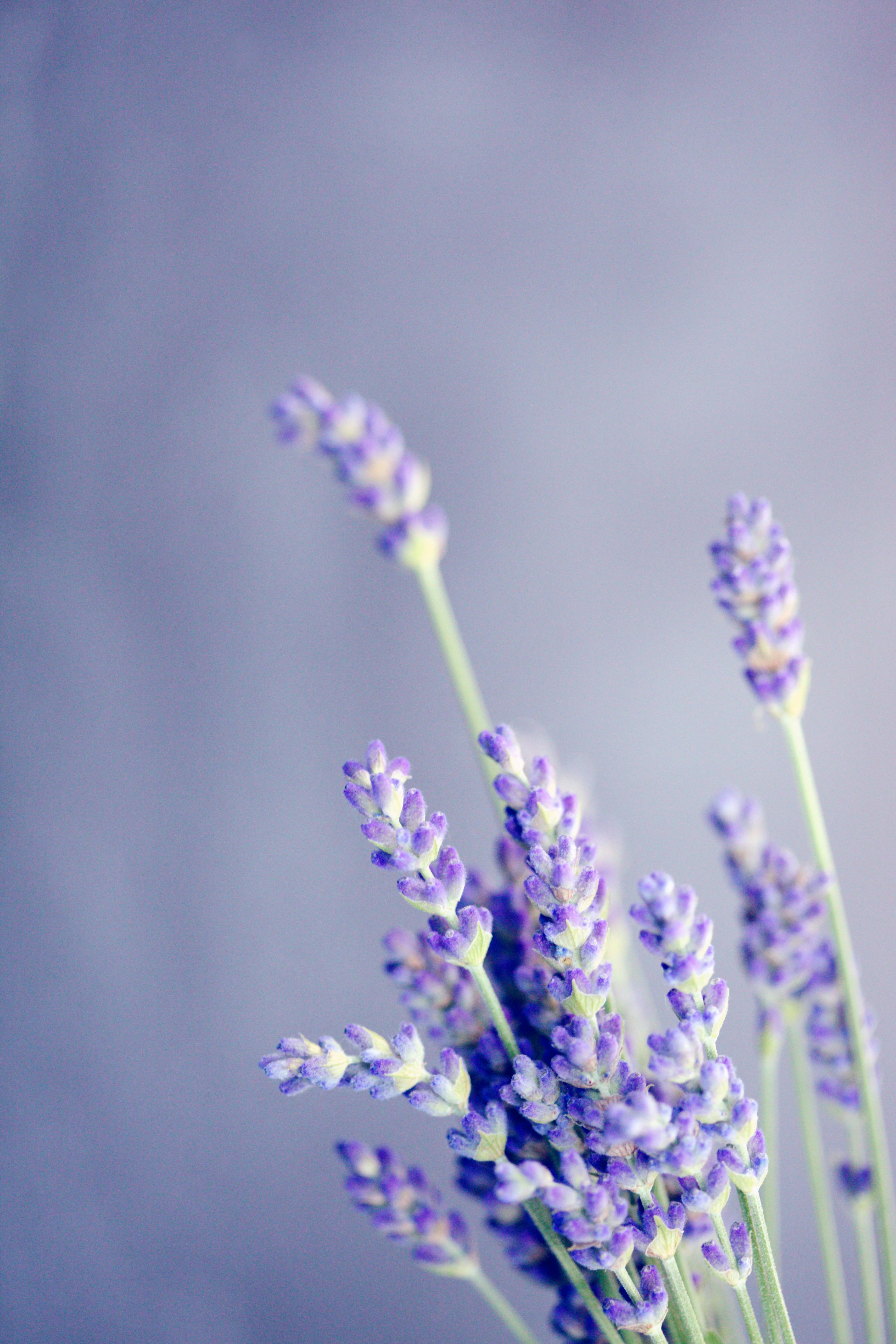
Lavender
Lavandula × intermedia ‘Phenomenal’ or ‘Grosso’
Zones 5–9 · Full sun · 2–3 ft
Nothing says elegant garden like a row of lavender. The hybrid lavandins are tougher than English lavender, handling humidity, heat and lean soil. The one thing they hate is wet feet, so plant them somewhere sunny and well drained, and skip the fertilizer.
Why it wins: Fragrance, bees and a Provence look from a plant that thrives on poor soil.
Shop Phenomenal Lavender on Amazon →No. 11 · Native Perennial
Black-Eyed Susan
Rudbeckia fulgida ‘Goldsturm’
Zones 3–9 · Full sun · 2–3 ft
A native wildflower that lights up late summer with masses of golden daisies. It blooms for weeks, feeds pollinators, and its seed heads feed goldfinches into winter. Clay, heat and dry spells barely slow it down.
Why it wins: A sea of sunshine yellow when most gardens look tired.
Shop Black-Eyed Susan on Amazon →No. 12 · Native Perennial
Purple Coneflower
Echinacea purpurea
Zones 3–9 · Full sun · 2–4 ft
A prairie native with rosy-purple petals around a coppery cone. Coneflower is deep-rooted, so once established it rides out drought with ease. Butterflies cover it in summer, and birds pick at the seed heads in fall.
Why it wins: Butterfly-garden beauty with prairie-grade toughness.
Shop Purple Coneflower on Amazon →No. 13 · Perennial
Yarrow
Achillea millefolium ‘Moonshine’ or ‘Paprika’
Zones 3–9 · Full sun · 1–3 ft
Ferny, aromatic foliage topped with flat flower plates in yellow, red, pink or white. Yarrow thrives in sandy, rocky or salty soil, handles foot traffic at the edges and makes a lovely cut flower. Shear it after the first bloom for a second round.
Why it wins: Flowers all summer on the poorest soil in your yard.
Shop Yarrow on Amazon →At a Glance
| Plant | Type | Zones | Height | Best feature |
|---|---|---|---|---|
| Indian Hawthorn | Evergreen shrub | 7–11 | 3–5 ft | Spring blooms |
| Dwarf Yaupon Holly | Evergreen shrub | 7–10 | 3–5 ft | Boxwood look, native |
| Knock Out Rose | Flowering shrub | 5–10 | 3–4 ft | Blooms until frost |
| Potentilla | Flowering shrub | 2–7 | 2–3 ft | Cold and salt tolerant |
| Blue Rug Juniper | Groundcover | 3–9 | 4–6 in | Covers slopes |
| Liriope | Groundcover | 5–10 | 12–18 in | Edging, sun or shade |
| Karl Foerster Grass | Ornamental grass | 4–9 | 4–5 ft | Winter structure |
| Daylily | Perennial | 3–9 | 1–2 ft | Reblooms all season |
| Russian Sage | Perennial | 4–9 | 3–4 ft | Heat-loving blue haze |
| Lavender | Perennial subshrub | 5–9 | 2–3 ft | Fragrance |
| Black-Eyed Susan | Native perennial | 3–9 | 2–3 ft | Late-summer gold |
| Purple Coneflower | Native perennial | 3–9 | 2–4 ft | Pollinators |
| Yarrow | Perennial | 3–9 | 1–3 ft | Poor-soil bloomer |
How to Make Tough Plants Look High-End
The difference between a strip-mall island and a magazine-worthy bed isn’t the plants. It’s how you arrange them.
- Plant in drifts, not dots. Group 3, 5 or 7 of the same plant. Repetition reads as intentional and calm.
- Layer by height. Shrubs or tall grasses at the back, mid-height perennials in the middle, groundcovers and liriope along the front.
- Pick a tight color story. Silver, purple and blue (Russian sage, lavender, blue rug juniper) feels serene. Gold and rose (black-eyed Susan, daylily, coneflower) feels warm and lively.
- Anchor with evergreens. Let Indian hawthorn, yaupon holly or juniper hold the shape in winter so the bed never looks empty.
- Mulch generously. Two to three inches of shredded bark or decorative gravel keeps roots cool and makes everything look finished.
- Water well the first year. “Thrives on abuse” applies after establishment. Water deeply once or twice a week for the first season, then step back.
The one annual chore: In late winter, cut grasses, Russian sage and perennials back to a few inches, and trim Knock Out roses by about a third. That’s the whole maintenance plan.
The Takeaway
The toughest plants in town have been hiding in plain sight. Choose a few from this list, plant them in generous groups, give them one good year of watering, and you’ll have a garden that looks polished through heat waves, dry spells and busy seasons when you simply can’t get outside.
Which parking lot plant has impressed you most? Share your favorite survivor in the comments.
Disclosure: This post contains affiliate links. As an Amazon Associate I earn from qualifying purchases, at no extra cost to you.