
Get Your Garden Glowing for Next Spring
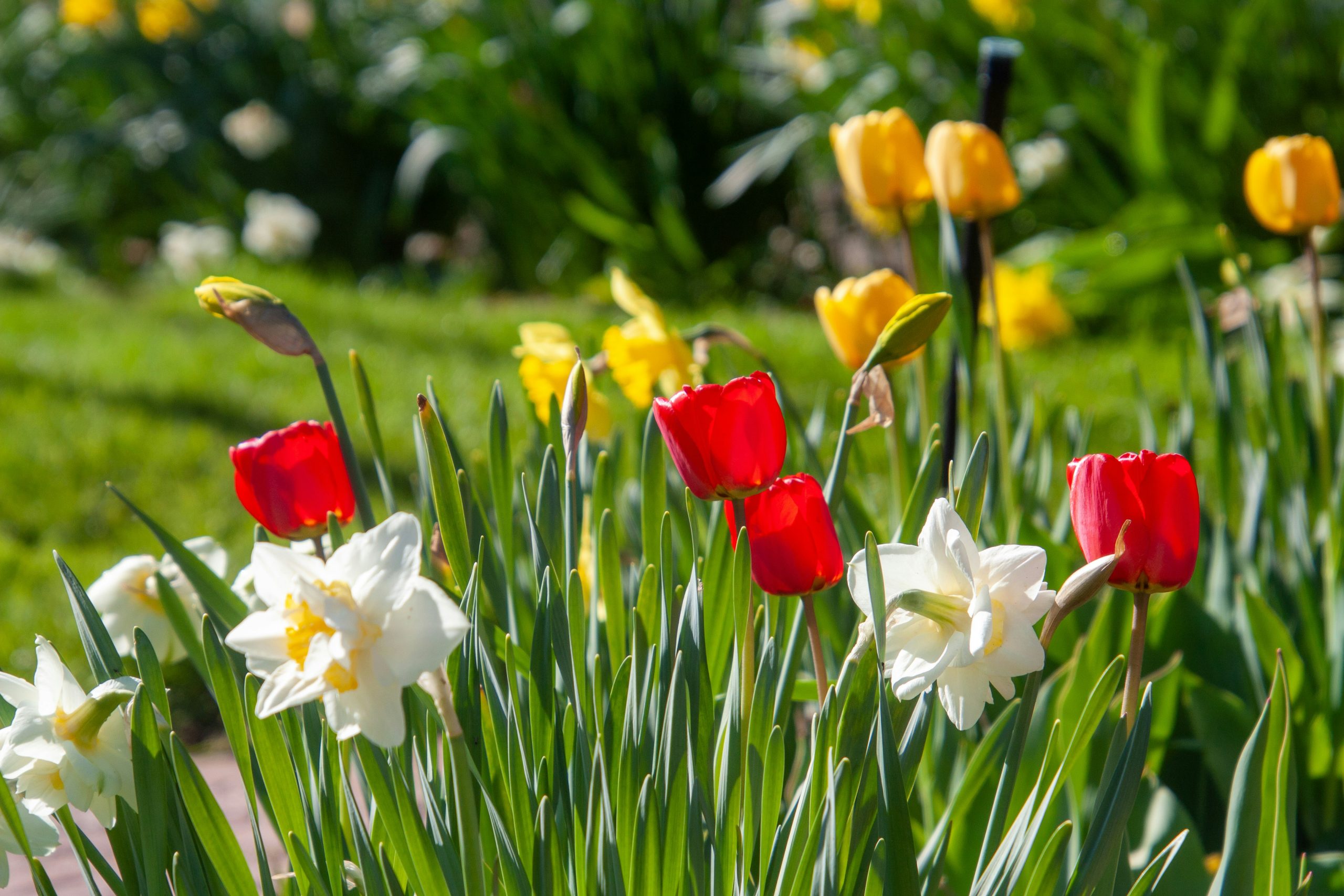
The autumn garden
Get Your Garden Glowing for Next Spring
The most beautiful spring gardens are planted in October. Here is what to do now, while the light is low and the soil is still warm, so April arrives in full bloom.
By Leela · 10 minute read
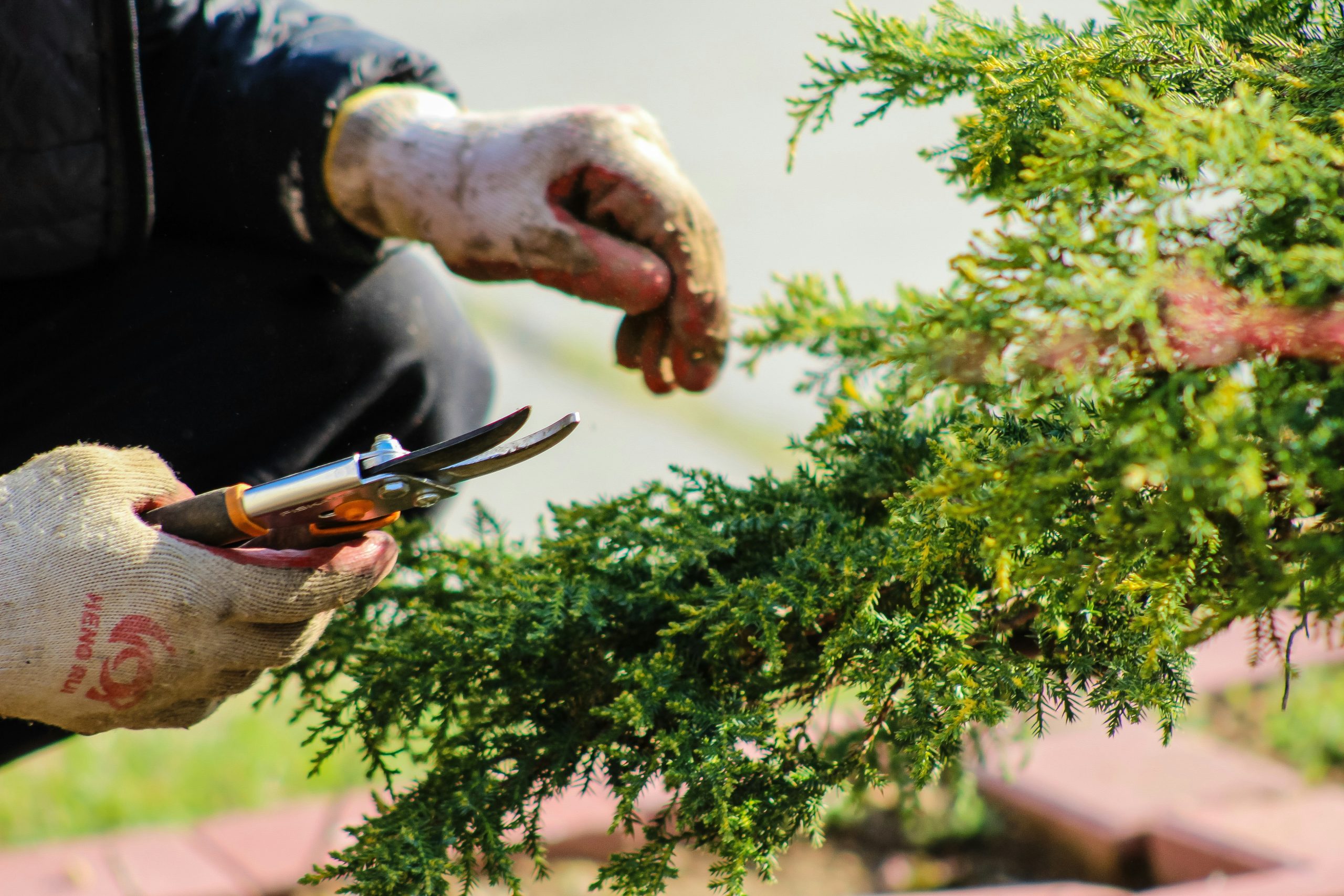
Spring gardens are made in fall
Every spring, someone walks past a garden glowing with tulips and wishes they had one too. The secret is that the work was done months earlier, on a cool autumn afternoon with a trowel and a bag of bulbs.
Plant in the fading light of autumn, and spring will hand it back to you in color.
The weeks between the first cool nights and the first hard frost are the most productive of the gardening year. The soil holds summer’s warmth, roots grow quickly, and there is no heat to stress new plants.
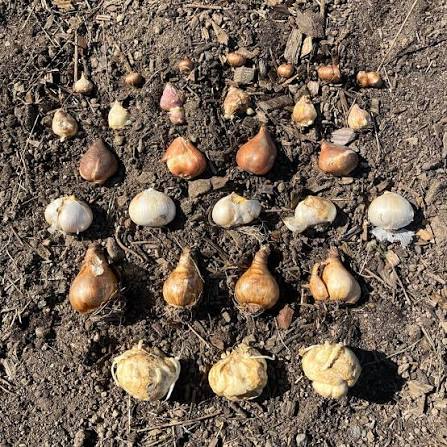
Plant bulbs for a river of color
Spring bulbs need a long, cold winter underground to bloom. Plant once your soil cools below about 60°F, usually six to eight weeks before the ground freezes.
- Plant three times as deep as the bulb is tall, pointy end up. A two-inch tulip goes about six inches down.
- Plant in drifts, not rows. Groups of fifteen to twenty-five of one variety look natural and make far more impact.
- Layer a bulb lasagna. Tulips at the bottom, daffodils in the middle, crocus or grape hyacinth on top. Each blooms in turn from March into May.
- Feed and water once. A little bulb food in the hole, then one deep watering to settle the soil.
Deer and squirrels?Daffodils, alliums and snowdrops are rarely touched. Save tulips and crocus for protected spots or pots, or lay chicken wire over new plantings until the ground freezes.
Gardening somewhere warm?In mild-winter zones 8 to 10, chill tulip and hyacinth bulbs in a paper bag in the refrigerator for ten to twelve weeks, away from fruit, then plant in December or January.
Feed, divide and tuck in
Feed the soil
Test your soil now, because lime and sulfur take months to work. Spread an inch or two of compost and let the worms carry it down over winter. Shred fallen leaves for free mulch, or pile them up to become leaf mold.
Divide and plant perennials
Lift crowded daylilies, hostas, irises and grasses, split them with a sharp spade and replant at the same depth. Move peonies now too, keeping their pink buds no more than two inches below the surface.
Sow wildflowers and mulch
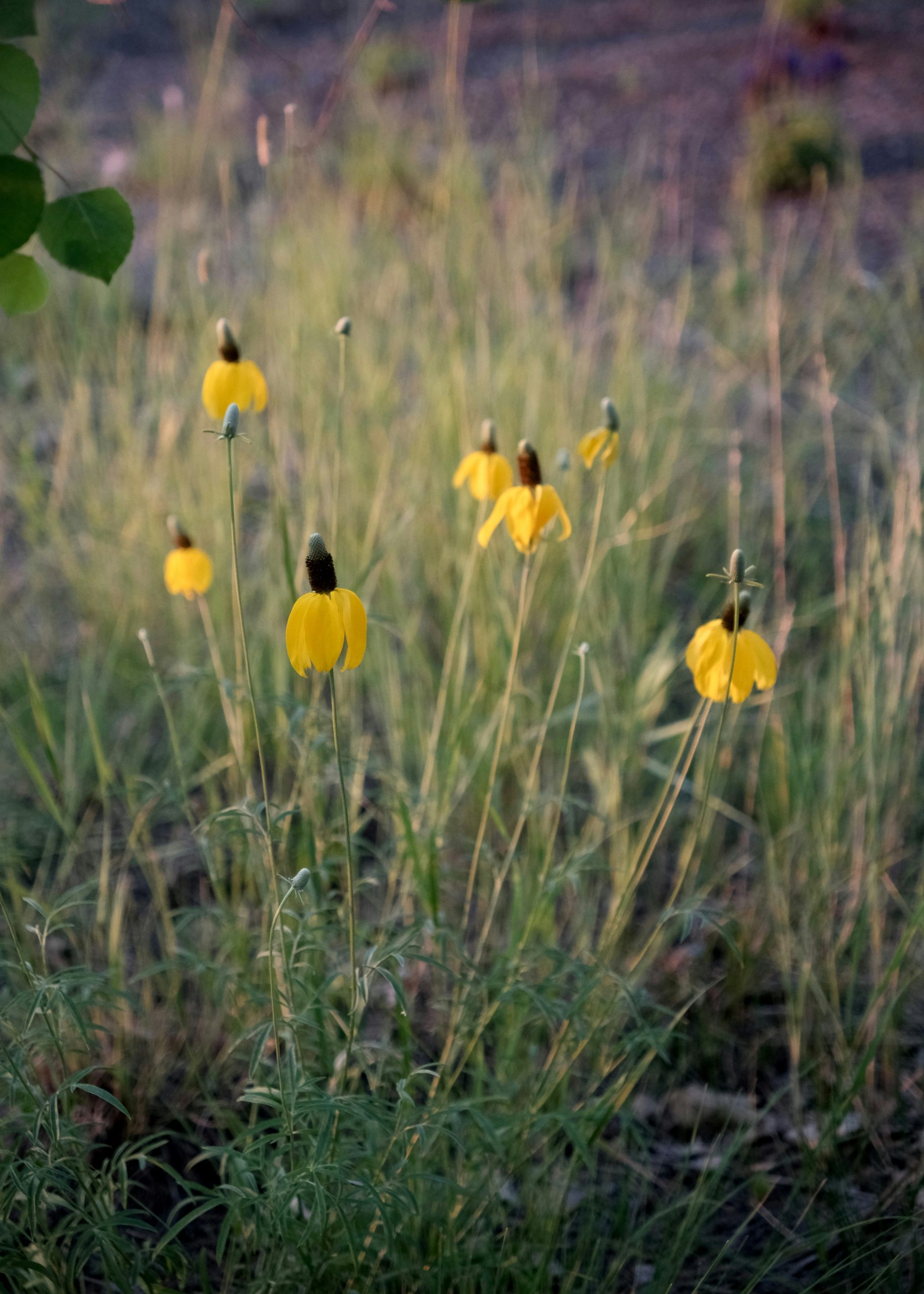
Poppies, larkspur and many natives germinate best after a winter outdoors, so scatter seed on bare soil in late fall. Once the ground cools, add two to three inches of mulch, and leave some stems and seed heads standing for birds and overwintering bees.
Care for your tools
Clean, sharpen and oil pruners and spades before storing them. Then sketch what you planted and where, so next spring you know exactly what came up.
The Spring Glow Edit
- Spring bulb collectionTulips, daffodils and alliums for a layered show.Shop on Amazon →
- Long-handled bulb planterPlant hundreds of bulbs without kneeling.Shop on Amazon →
- Bulb auger for your drillThe fastest way to plant large drifts.Shop on Amazon →
- Organic bulb foodA spoonful in each hole for stronger blooms.Shop on Amazon →
- Home soil test kitKnow your pH and nutrients before you amend.Shop on Amazon →
- Bypass prunersA quality pair lasts for decades.Shop on Amazon →
- Tool sharpenerRestore a clean edge on pruners and spades.Shop on Amazon →
- Garden planner journalRecord what you planted, and where.Shop on Amazon →
As an Amazon Associate I earn from qualifying purchases.
Common questions
Is it too late to plant bulbs?
If you can still dig, you can plant. Bulbs planted as late as December often bloom fine, just a little later.
Should I cut everything back?
Only remove diseased foliage and soft plants that turn to mush, like hostas. Leave sturdy stems and seed heads for winter interest and wildlife.
Can I plant bulbs in pots?
Yes. Use a pot at least twelve inches deep, layer the bulbs, and keep it somewhere cold but sheltered, like an unheated garage, if your winters are harsh.
Plant now, and let spring surprise you.