Replace Your Thirsty Lawn with Something Lovelier

Water-wise living
Replace Your Thirsty Lawn with Something Lovelier
A softer, greener, far less thirsty yard is one autumn project away. Here is how to choose your replacement and make the switch without a single sod cutter.
By Leela · 9 minute read
The quiet after the sprinklers stop
Most of us inherited our lawns. Very few of us chose them. According to the EPA’s WaterSense program, landscape irrigation accounts for nearly a third of all residential water use in the United States, and as much as half of that water is lost to evaporation, wind and runoff.
The goal is a yard that looks after itself, so you can enjoy it instead of tending it.
Autumn is the secret season for this project. The soil is still warm, the air is cool, and winter rain does the watering for you. New plants spend the cold months growing roots, so by spring they are settled and ready to spread.
Check for rebates firstMany water utilities pay homeowners per square foot to remove turf. Most require approval and before photos, so contact yours before you pull a single blade.
Six beautiful alternatives to grass
Choose by how you use the space. A play area needs something that handles feet. A curbside strip nobody walks on can become a meadow.
Microclover
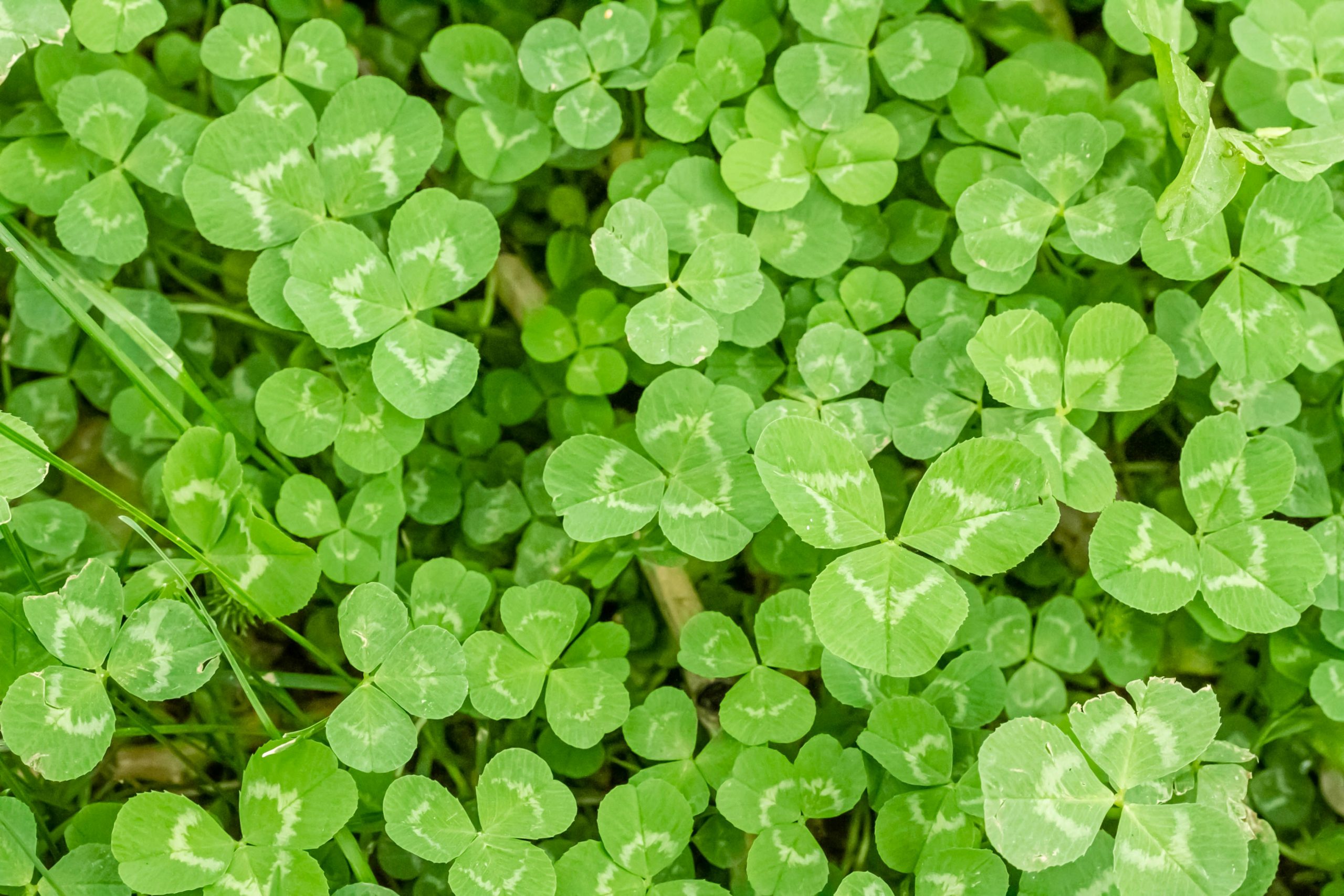
A small-leaved clover that stays low and green, feeds the soil with nitrogen and rarely needs mowing.
Creeping thyme
Fragrant mats that flower pink and lavender. Loves sun and lean soil.
Native bunch grasses
Blue grama, little bluestem and friends bring movement and texture.
Sedum & succulents
Ideal for hot slopes and hellstrips where nothing else will grow.
Pollinator meadow
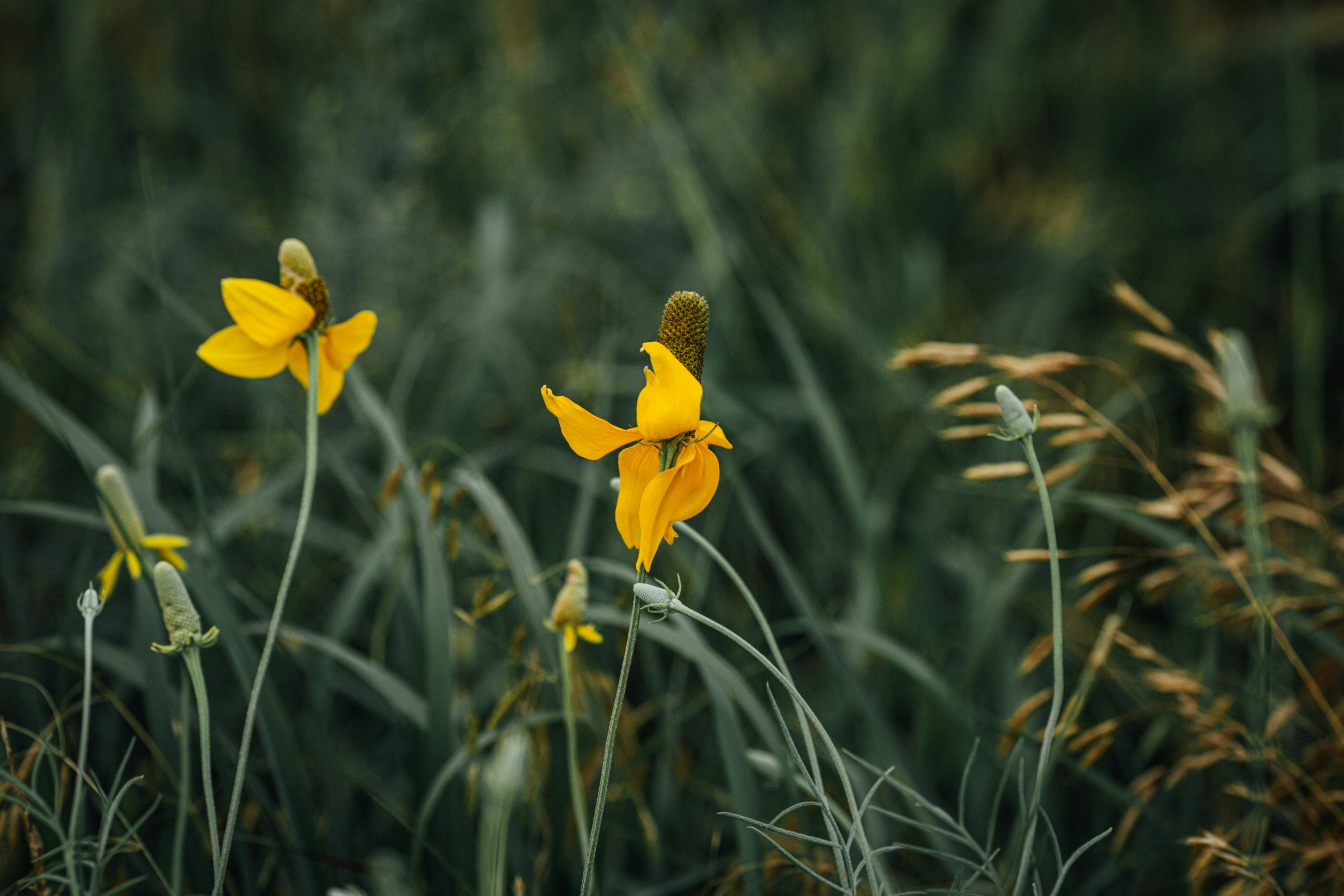
Color from spring to frost and seed heads that feed birds all winter.
Gravel garden
Mediterranean calm with drought-loving plants and zero mowing.
Remove grass the easy way
Sheet mulching smothers turf in place. No digging, no hauling sod. The grass breaks down into rich soil right where it lies.
- Mow it short and water it. Scalp the lawn low, then soak it. Moist soil breaks down faster.
- Edge the beds. Cut a clean line along paths so grass can’t creep back in.
- Lay plain cardboard. Remove the tape, overlap pieces by six inches, and wet it well.
- Top with mulch. Spread three to four inches of wood chips or compost.
- Wait, then plant through it. In two to three months, cut an X in the cardboard and plant.
Water smarterNew plants need regular water their first year. After that, most need only an occasional deep soak. Drip irrigation and a timer deliver water to the roots with almost nothing wasted.
The Lawn-Free Edit
- Microclover seedOverseed thin grass for a soft, low-water lawn.Shop on Amazon →
- Creeping thyme seedsFor fragrant patches and stepping-stone gaps.Shop on Amazon →
- Regional wildflower mixPick one labeled for your region.Shop on Amazon →
- Drip irrigation kitWater straight to the roots, no overspray.Shop on Amazon →
- Hose timerSet it once and stop thinking about watering.Shop on Amazon →
- Rain barrelCatch winter rain for your new plantings.Shop on Amazon →
- Landscape edgingClean lines make a natural garden look intentional.Shop on Amazon →
- Hori hori soil knifeCuts cardboard, digs holes, divides plants.Shop on Amazon →
As an Amazon Associate I earn from qualifying purchases.
Common questions
Will my yard look messy?
A crisp edge, a clear path and a few repeated plants make any natural garden look deliberate.
How long until it fills in?
Thyme and clover usually knit together in one growing season. Meadows take two to three years to reach full beauty.
Do I have to do the whole yard?
Not at all. Start with the hardest strip to water, such as a slope or the parkway, and grow from there.
Here’s to a greener garden that drinks a little less.