What to Plant in Fall
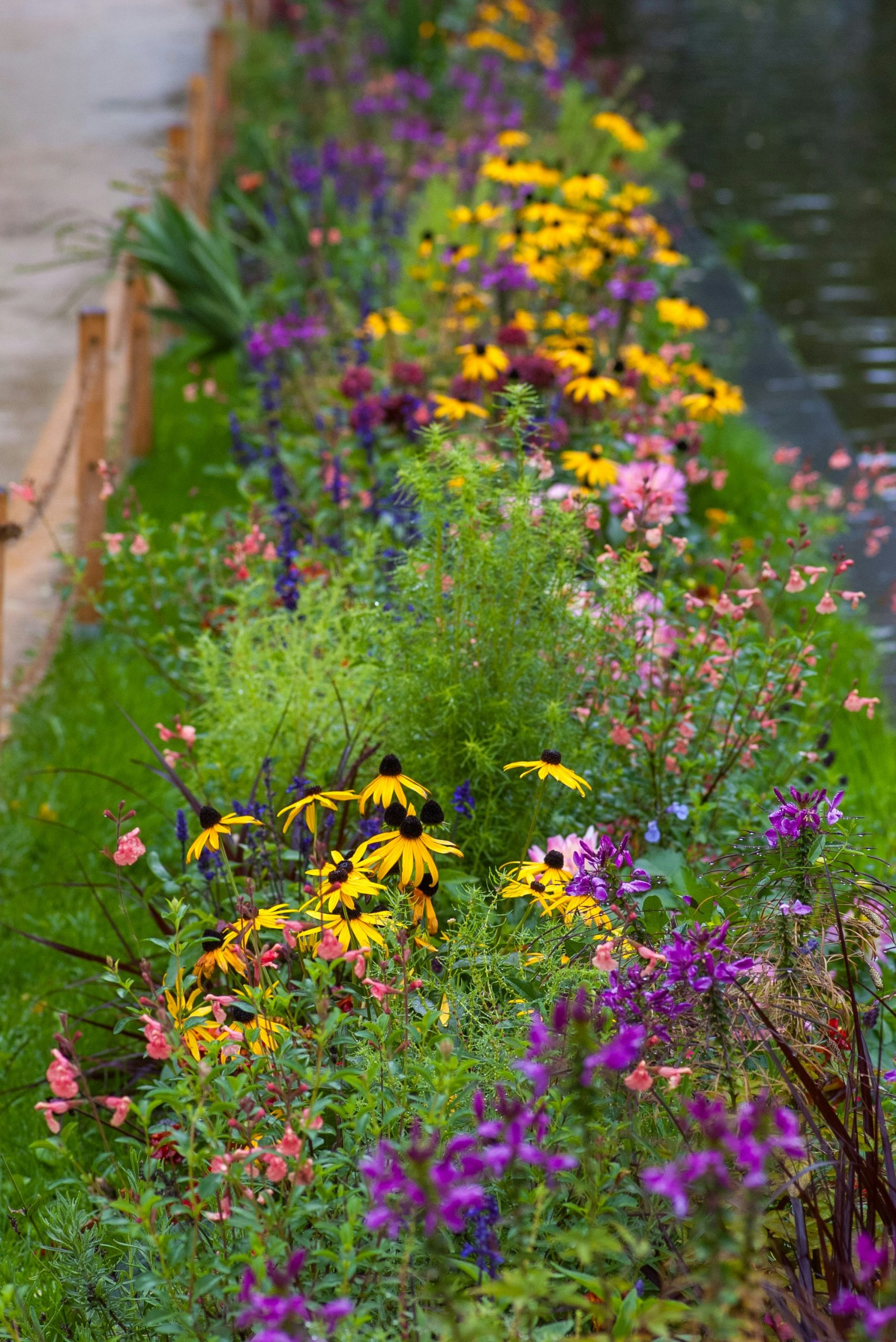
Zone 9 · October Checklist
What to Plant in Fall
Summer has finally let go. Here is everything that goes in the ground this month — and everything that can wait.
This post contains affiliate links. If you buy through them I may earn a small commission at no extra cost to you. As an Amazon Associate I earn from qualifying purchases.
In Zone 9, fall is the second spring. The heat has broken, the soil is still warm, and the first frost usually holds off until late November or December. Cool-season crops get a long, unhurried start, and anything with roots — shrubs, roses, perennials, trees — gets months to settle in before it has to do anything at all.
Zone 9 covers a great deal of ground, from the Gulf Coast through Central Texas and the Southwest to inland California. Treat the timing below as a frame and adjust it to your own frost dates. Work down the list in order and you will have something to harvest by Thanksgiving.
First
Start with the soil
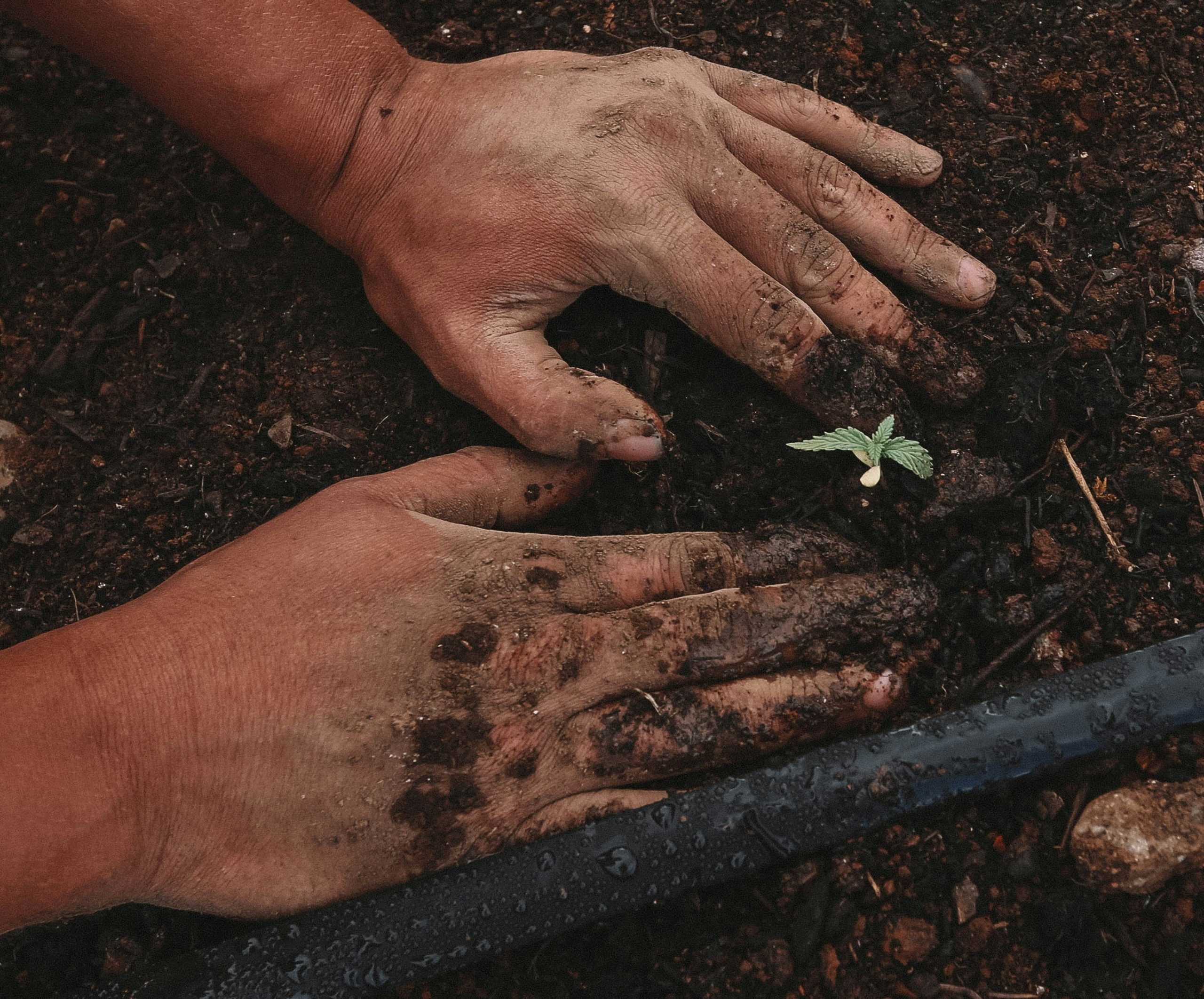
A summer bed is a tired bed. Before a single seed goes in, pull the spent tomatoes and squash, rake out the roots, and give the soil back what the season took.
- Add two inches of compostWork it into the top few inches rather than burying it. This is the single thing that matters most. The compost I use.
- Top off raised bedsBeds settle three to four inches over a summer. Bring them back up before planting. Raised bed soil.
- Water the empty bed, then wait a weekWeed seeds sprout, you hoe them off, and your lettuce comes up into clean ground.
Sow Directly
Seeds that go straight in the bed
These dislike being moved and resent a pot. Sow them where they will grow, keep the surface damp until they are up, and thin without mercy.
- Lettuce and salad greensSow a short row every two weeks through November for steady cutting. If October runs hot, give them afternoon shade. Shade cloth buys you two weeks.
- Spinach, arugula and mustard greensAll three germinate better as the soil cools. Keep the seedbed evenly moist and they come fast.
- Kale, collards and chardThe backbone of a Zone 9 winter. They will carry you to March, and they sweeten after the first light frost.
- Carrots, beets and turnipsLoose, stone-free soil makes straight roots. Sow thickly, thin ruthlessly at two inches tall.
- RadishesReady in about four weeks. The quickest reward in the garden and a good job for children.
- Snap peas and snow peasPut the trellis netting up the day you sow, not the day they flop.
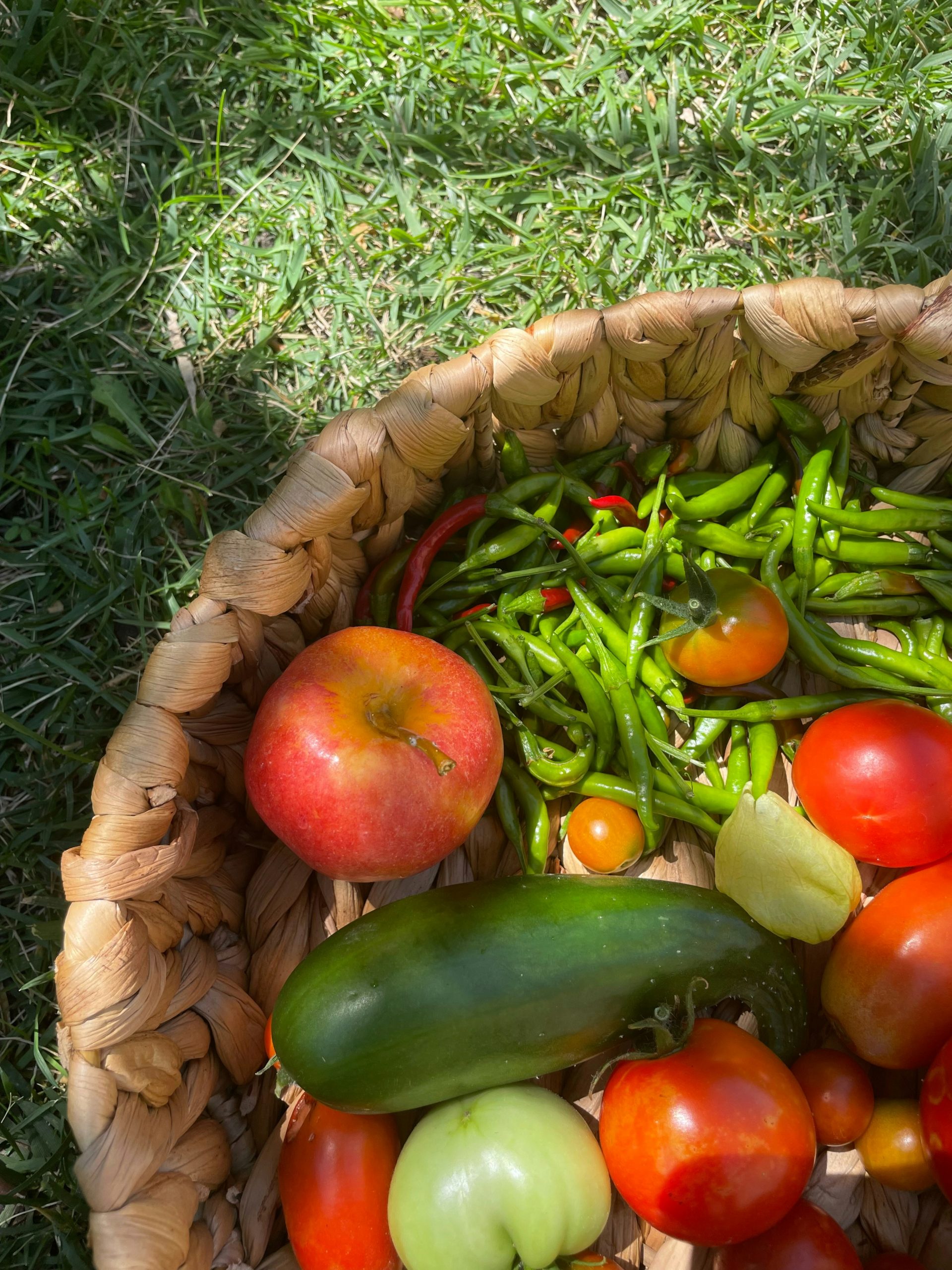
Cool air above, warm soil below. Nothing roots better than it does in October.Zone 9, mid-autumn
Set Out
Starts from the nursery
The brassicas need a head start they cannot get from seed in October. Buy sturdy transplants with thick stems, and pass over anything root-bound or already flowering.
- Broccoli, cauliflower and cabbagePlant in the evening and shade them for their first week. They sulk for a few days, then take off.
- Brussels sproutsThe longest season of the lot. Get them in during the first half of the month or wait until next year.
- Onions and shallotsShort-day varieties only. Plant now for fat bulbs in spring.
- StrawberriesFall planting gives the crowns all winter to root, which is why fall-planted berries out-fruit spring-planted ones every time.
Garlic is the exception. Order it now, but wait until the soil cools in late October or November to plant. Softneck varieties suit a mild winter best — these are the ones I plant.
Herbs
The ones that waited all summer
Cilantro and dill bolt the moment it turns hot, which is why they never work in July. October is their season and they will hold until spring.
- Cilantro and dillSow directly and re-sow every month. Both resent transplanting.
- Parsley, chives and chervilSlow to germinate — two to three weeks is normal. Start now and leave them alone.
Colour
Flowers, bulbs and shrubs
Everything here is an act of patience. Plant in October and the garden pays you back from December through May.
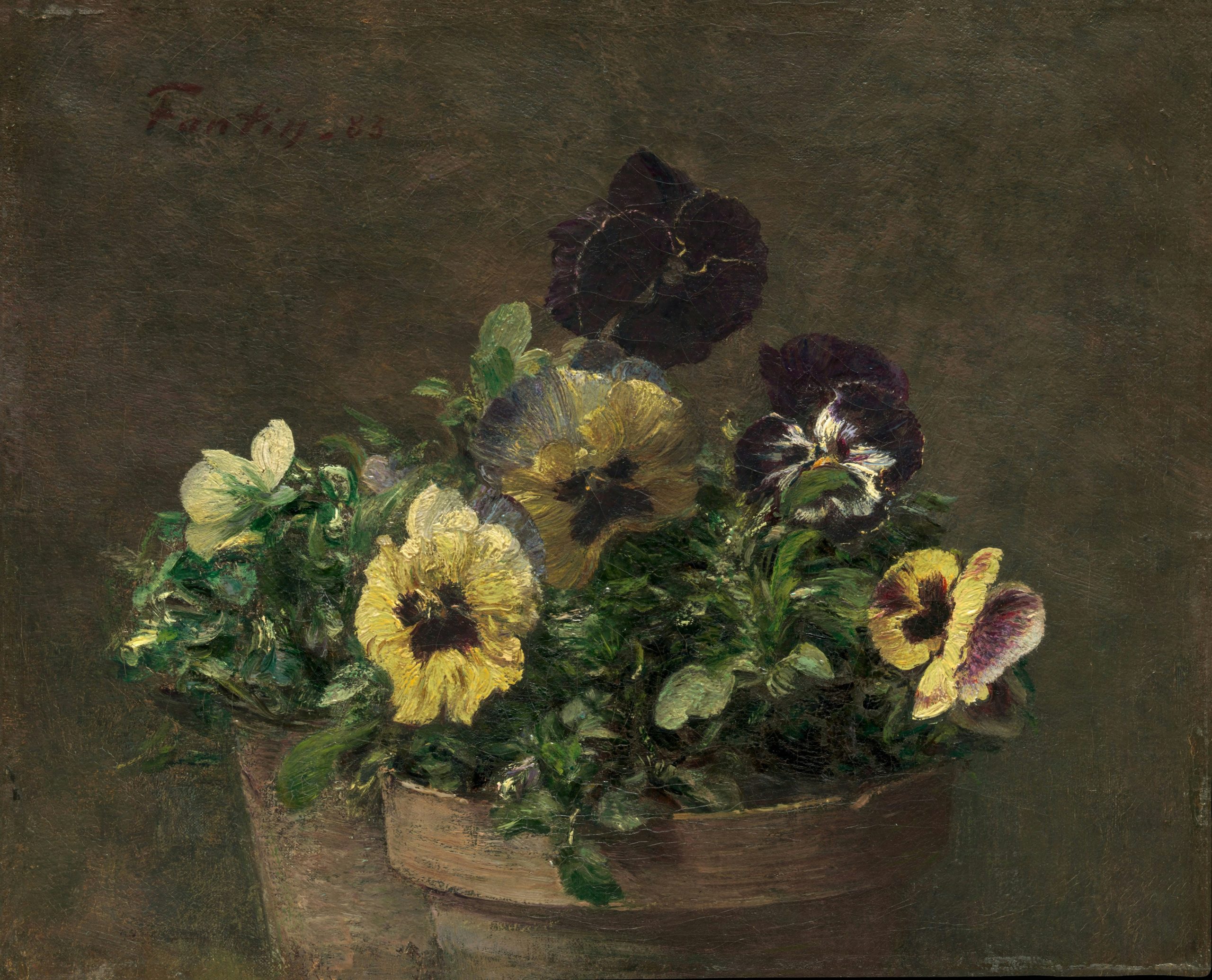
- Pansies, violas and snapdragonsThe workhorses of a Zone 9 winter. They bloom through every mild day between now and spring.
- Sweet peas, poppies and calendulaDirect sow now for spring flowers. Sweet peas want something to climb from the start.
- Daffodils and spring bulbsDaffodils go straight in the ground. Tulips and hyacinths need six weeks in the refrigerator first, then plant them in late fall. A bulb planter turns an afternoon into twenty minutes.
- Roses, perennials, shrubs and treesThe best planting window of the whole year. Water deeply, mulch well, and let the winter do the rest.
- Native wildflower seedScatter on bare, lightly raked soil before the fall rains arrive. Do not cover it.
The List
What I keep on hand
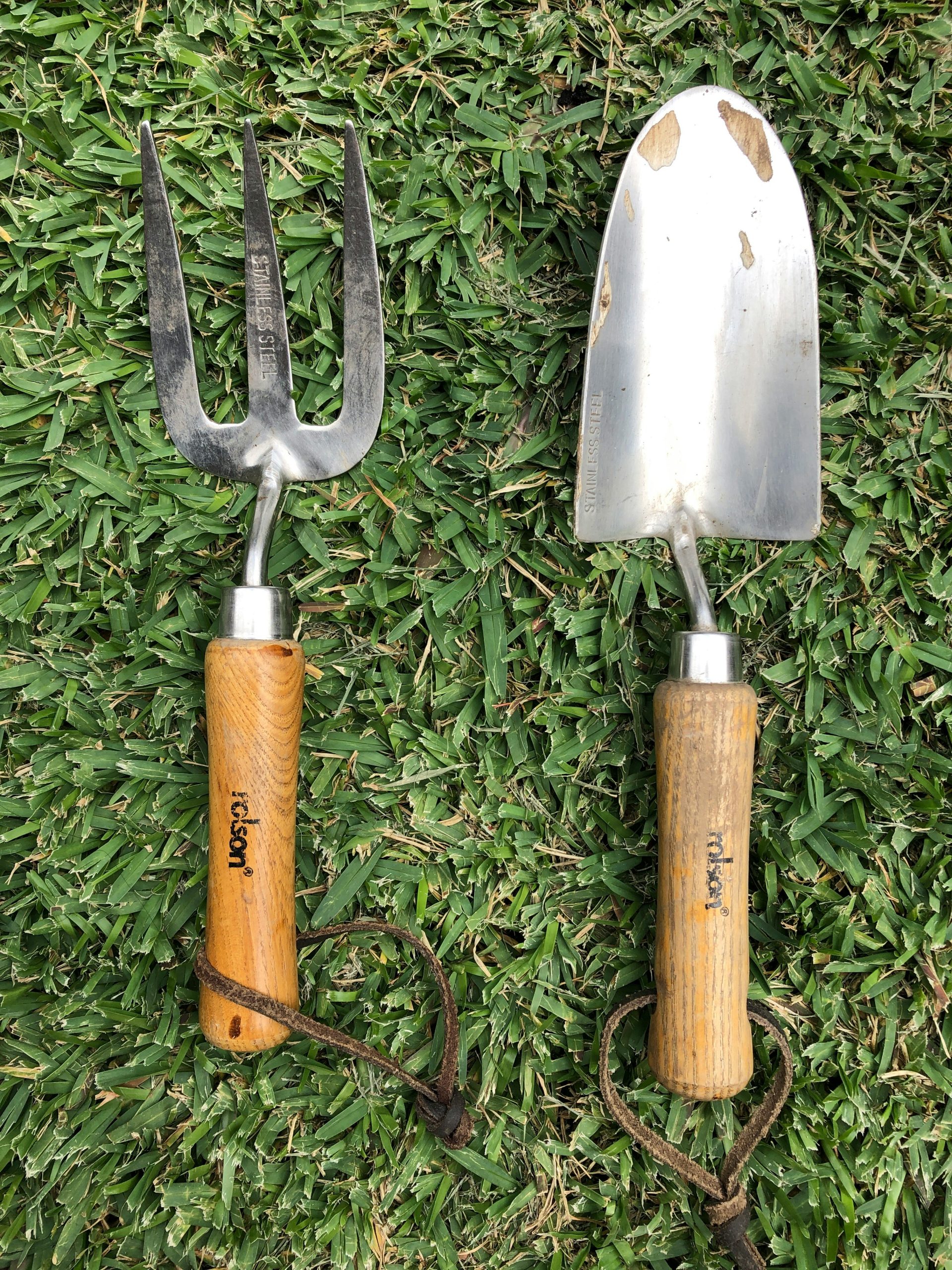
Nothing elaborate. These are the things I reach for every October, and the ones I regret not having when the first cold night arrives without warning.
- CompostTwo inches, worked in before anything is planted
- Raised bed soilTo bring beds back up after summer settling
- Seed starting traysFor brassicas and onions
- Frost clothKeep it where you can reach it in the dark
- Shade clothFor seedlings in a hot October
- Bulb planterWorth it the first time you plant fifty daffodils
- Garlic for plantingSoftneck varieties for a mild winter
- Pea trellis nettingUp on the day you sow
- Garden glovesA good pair earns its keep by November
One last thing
Water new plantings more often than feels necessary for the first two weeks. Mulch everything. Keep the frost cloth somewhere you can find it without a flashlight.
Then let October do what it does. Tell me in the comments what is going into your beds this month — I always want to know what other people are growing.
Planting dates vary by region and microclimate. Check with your local extension office for your exact frost dates. As an Amazon Associate I earn from qualifying purchases.