Easy Drought-Tolerant Plants for Beginners
Easy drought-tolerant plants for beginners
Nine tough, beautiful plants that forgive a forgotten watering can, and why this fall is the perfect moment to plant them.
I’ll be honest: my first garden was a graveyard of thirsty plants. Hydrangeas that wilted by noon. Impatiens I watered twice a day and still lost by August. I was sure I just didn’t have a green thumb.
It turned out I’d simply picked the wrong plants. The year I swapped them for tough, sun-loving, water-wise ones, everything changed. I watered less, worried less, and finally had a garden that looked good in the middle of July.
If you’re new to gardening, or tired of fighting your hose, this post is for you.
This post contains affiliate links. As an Amazon Associate I earn from qualifying purchases, at no extra cost to you. I only point you toward plants I’d grow myself.
Plants that forgive you
Less watering
Once established, most need a deep drink only every week or two in summer.
Fewer pests
Fuzzy, silvery or fragrant leaves are often skipped by deer and rabbits.
Pollinator magnets
Bees, butterflies and hummingbirds will find you within weeks.
Lower bills
Less water, less fertilizer, and far fewer replacement plants.
One gentle truth“Drought-tolerant” doesn’t mean “never water.” Every new plant needs regular water its first season while roots settle in. After that, they really do look after themselves.
Lavender
Lavandula
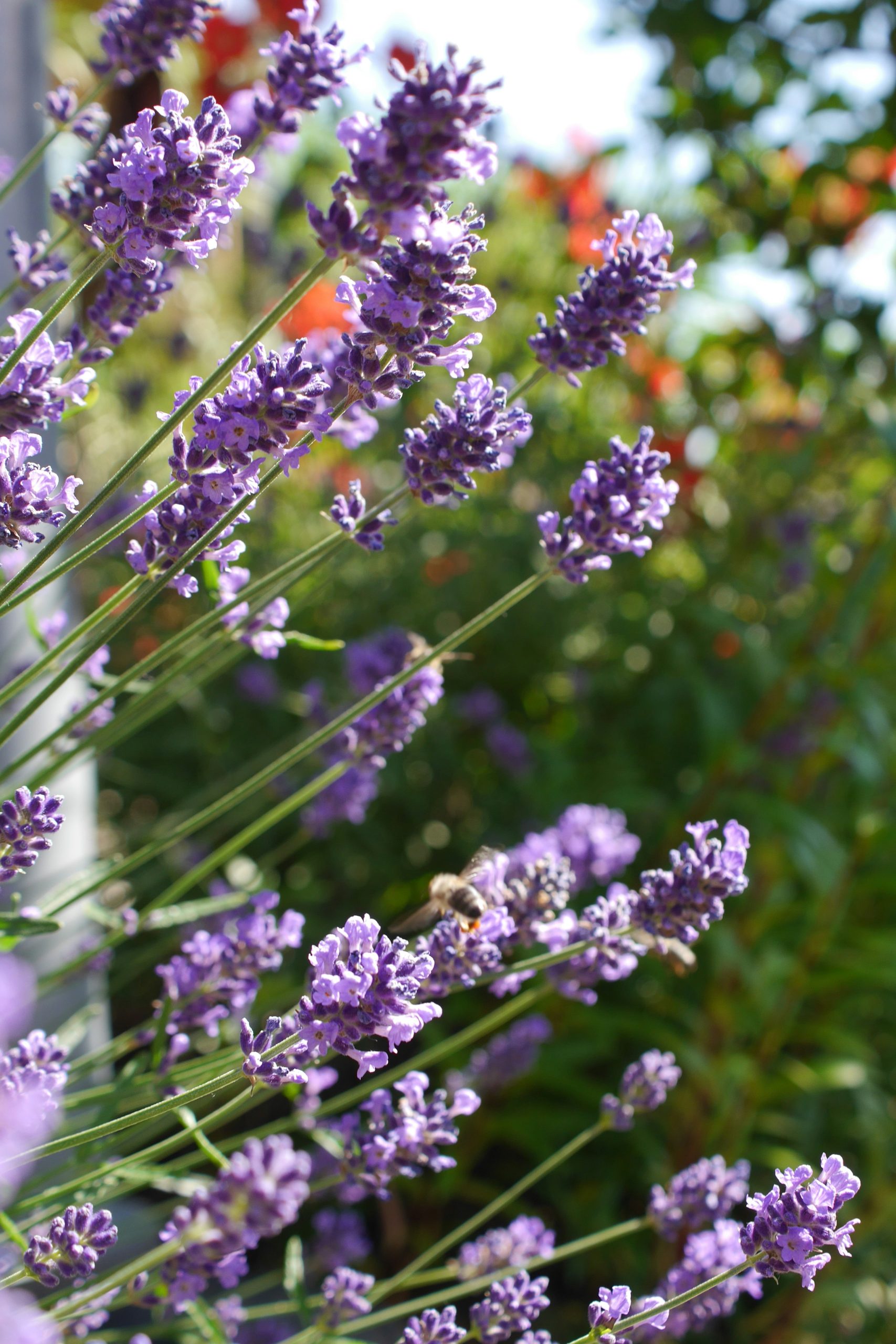
If I could grow only one plant, it would be lavender. It smells like a summer holiday, bees adore it, and it actually prefers a little neglect. Too much water and rich soil are what kill it.
Plant it a little high, never in a soggy spot, and trim lightly after flowering.
- Zones
- 5–9 (English types are hardiest)
- Size
- 1–3 ft tall and wide
- Blooms
- Early to midsummer
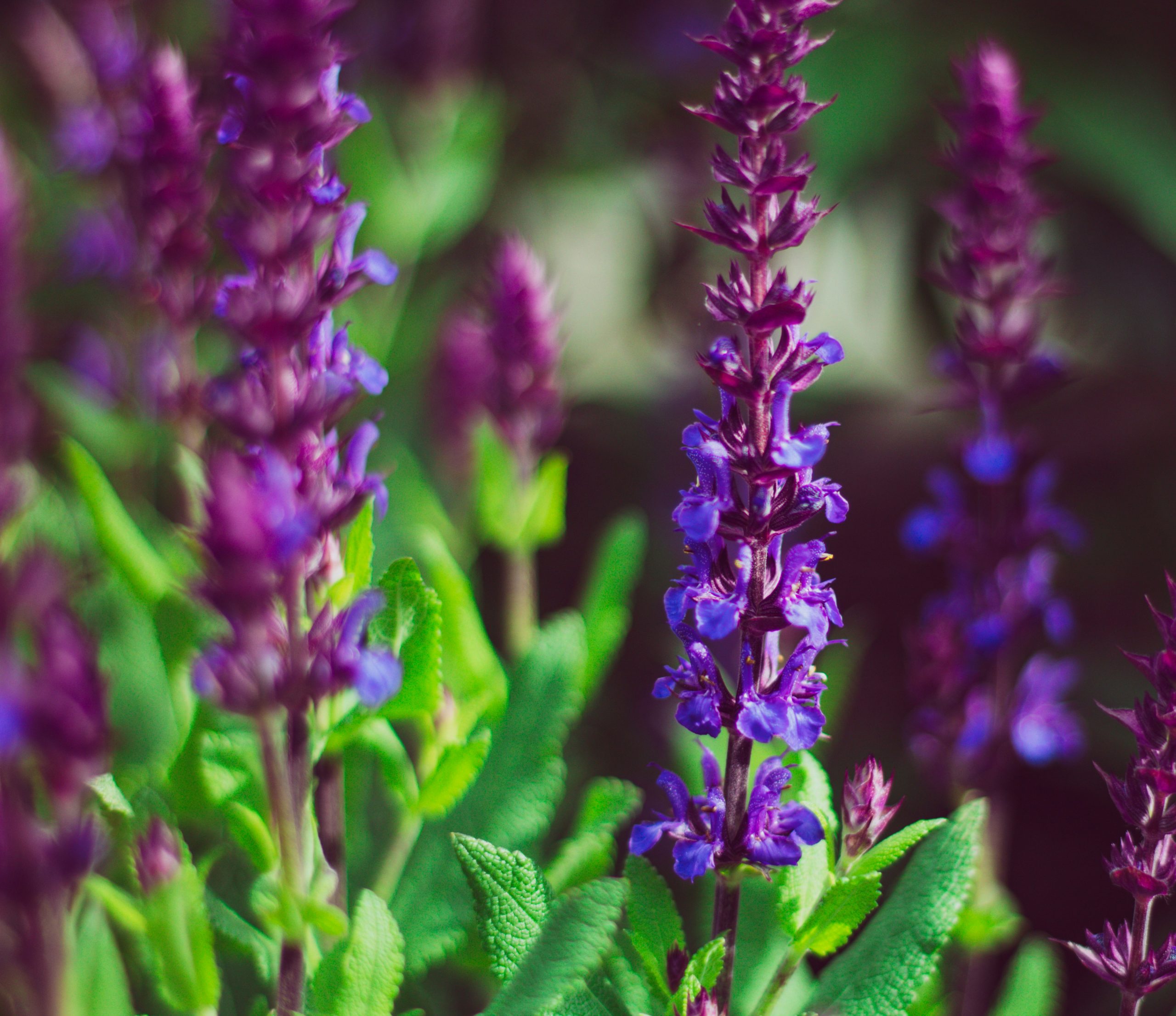
Salvia
Perennial sage
Salvia blooms for months, and hummingbirds treat it like a drive-through. Cut it back after the first flush of flowers and it often blooms all over again.
‘May Night’ and ‘Caradonna’ are reliable, easy-to-find varieties.
- Zones
- 4–9 for most perennial types
- Size
- 1–3 ft
- Blooms
- Late spring into fall
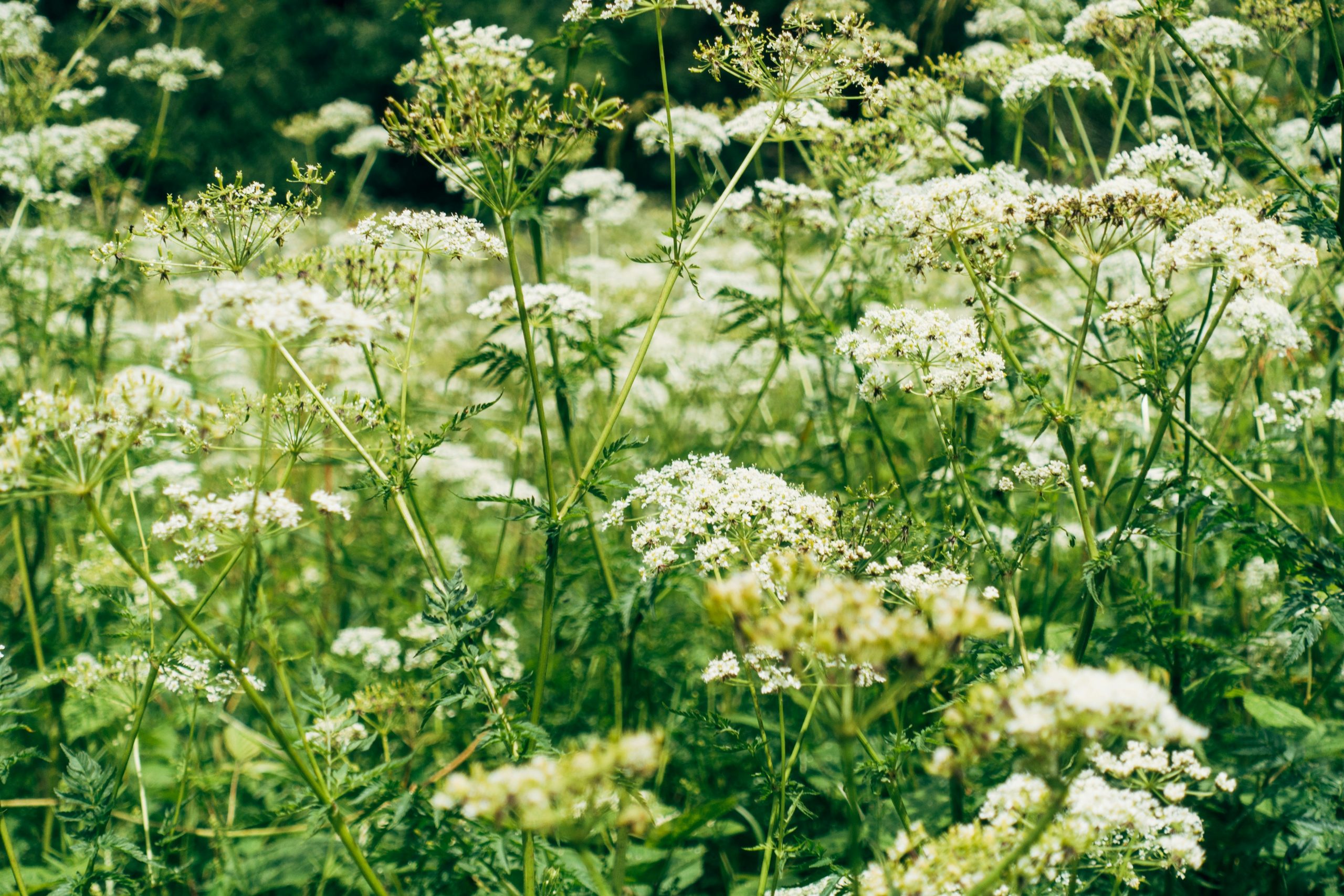
Yarrow
Achillea
Yarrow is the plant that just won’t quit. Feathery leaves, flat flower heads, and a toughness that borders on stubborn. It thrives in poor soil where other plants give up.
It spreads happily, so give it room or pair it with other sturdy neighbors.
- Zones
- 3–9
- Size
- 1–3 ft
- Blooms
- Early summer to early fall
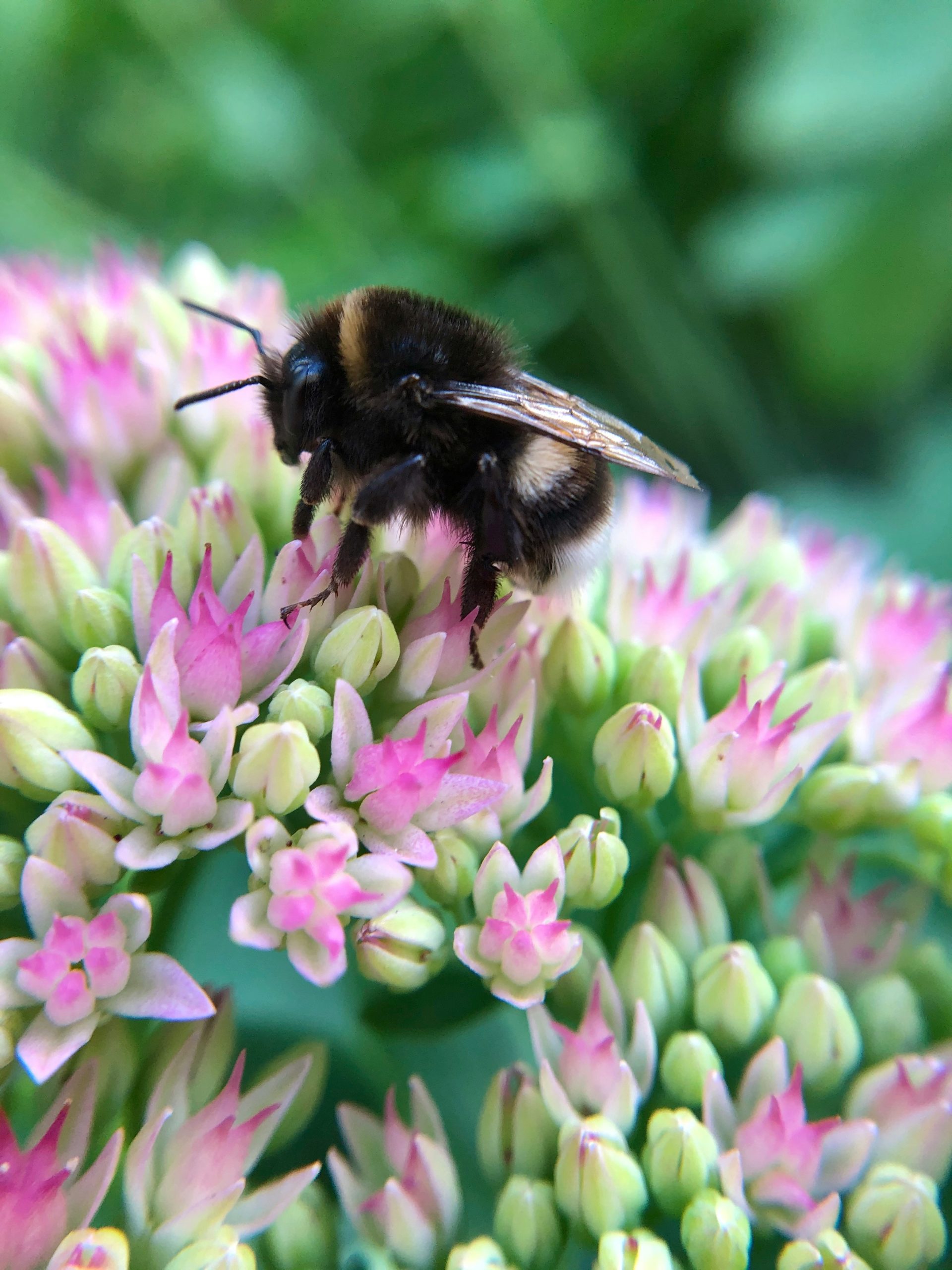
Sedum
Stonecrop
Sedum stores water in its plump leaves, which is why it laughs at heat. Tall types like ‘Autumn Joy’ flower just as the rest of the garden starts to fade.
Leave the dried flower heads up over winter. They look lovely dusted with frost.
- Zones
- 3–9
- Size
- Ground-hugging to 2 ft
- Blooms
- Late summer to fall
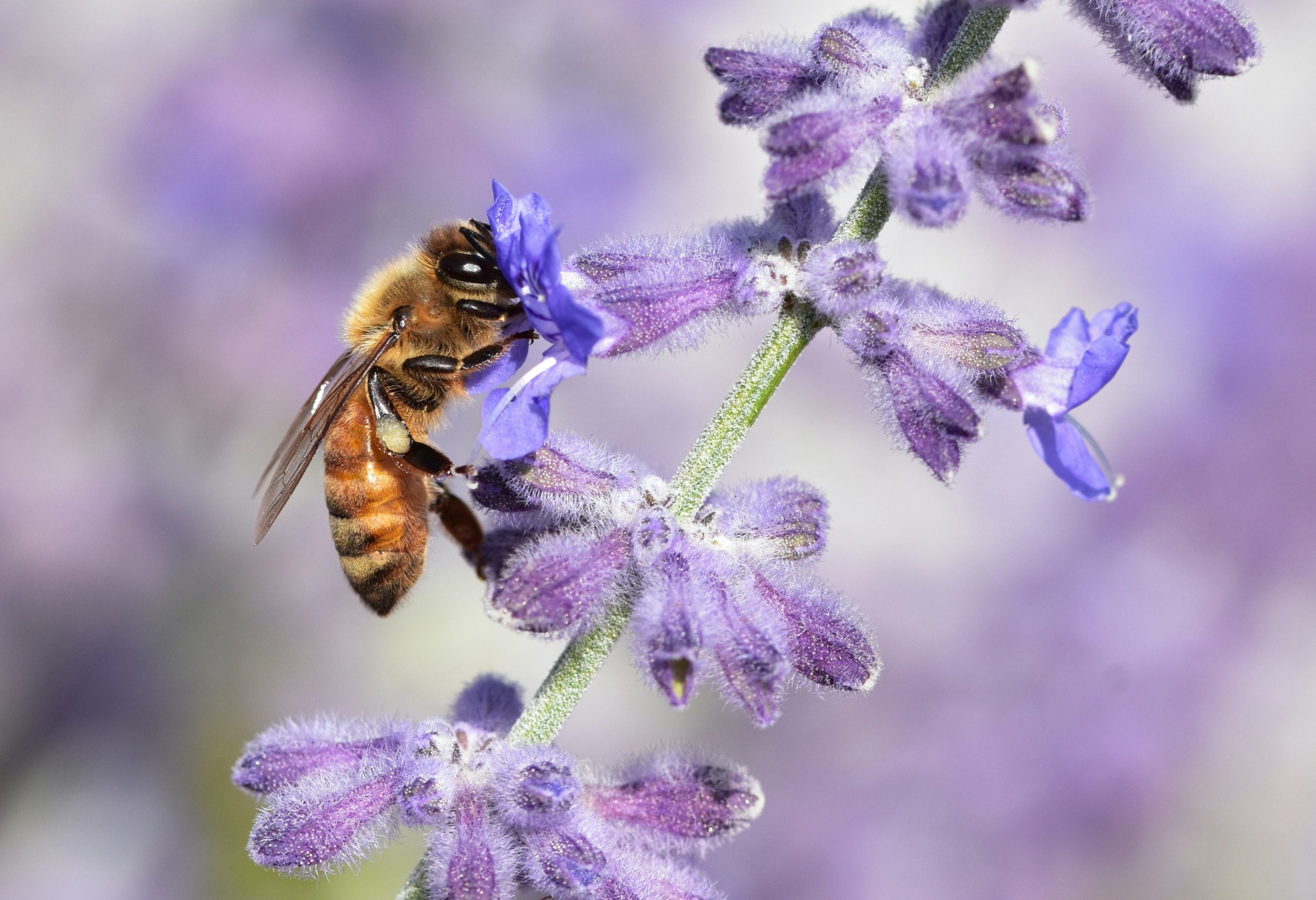
Russian sage
Perovskia (Salvia yangii)
A cloud of silvery stems and soft blue flowers that looks far fancier than the effort it asks for. It hums with bees all summer.
Cut it back to about 6 inches in early spring, not in fall.
- Zones
- 4–9
- Size
- 3–4 ft
- Blooms
- Midsummer to fall
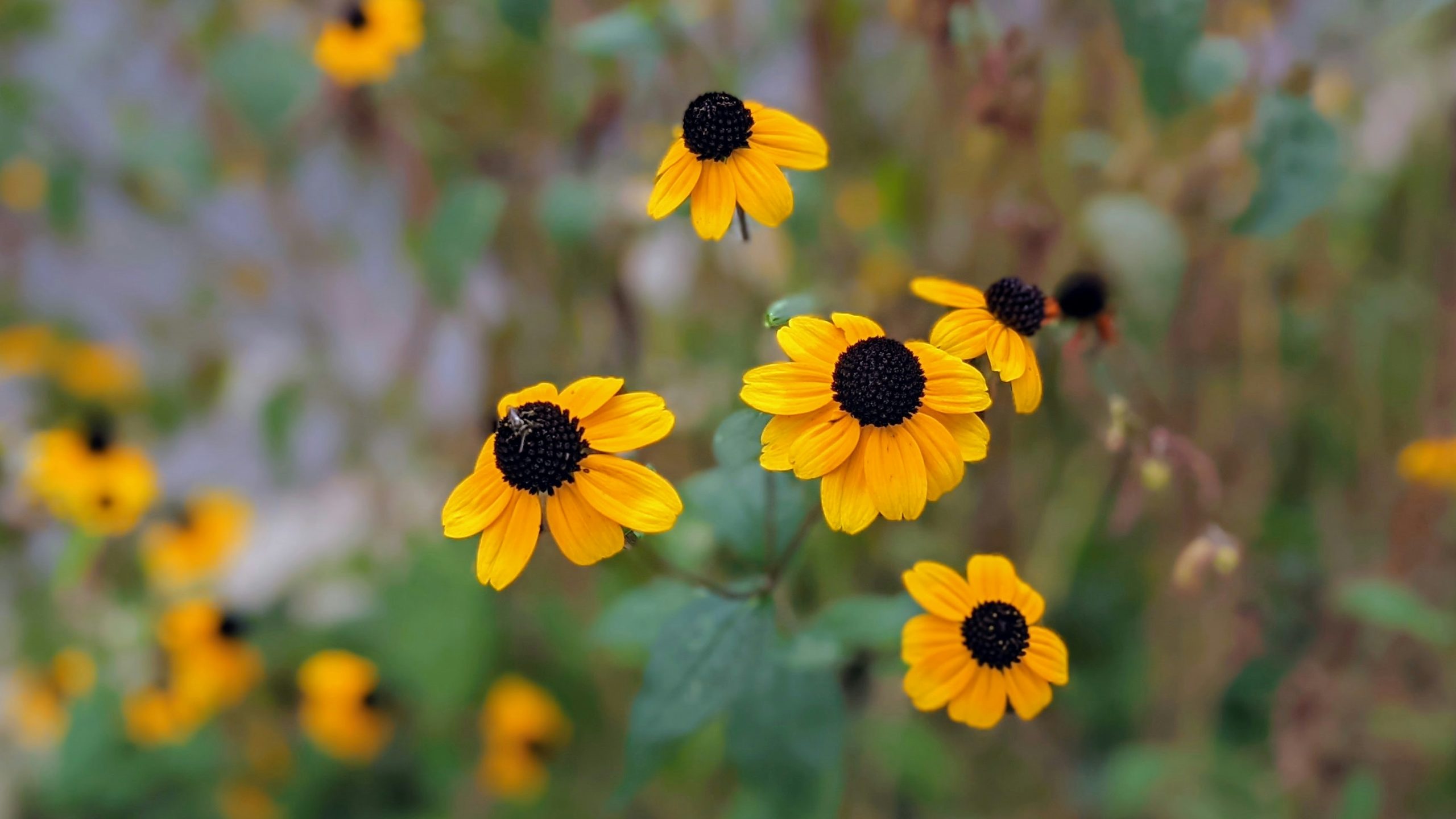
Black-eyed Susan
Rudbeckia
Cheerful, sunny, and impossible not to smile at. Goldfinches visit for the seed heads in fall, so I leave a few standing just for them.
Once settled it handles dry spells well. Give it a drink during long heat waves.
- Zones
- 3–9
- Size
- 2–3 ft
- Blooms
- Midsummer to fall
Ornamental grasses
Blue fescue · Little bluestem
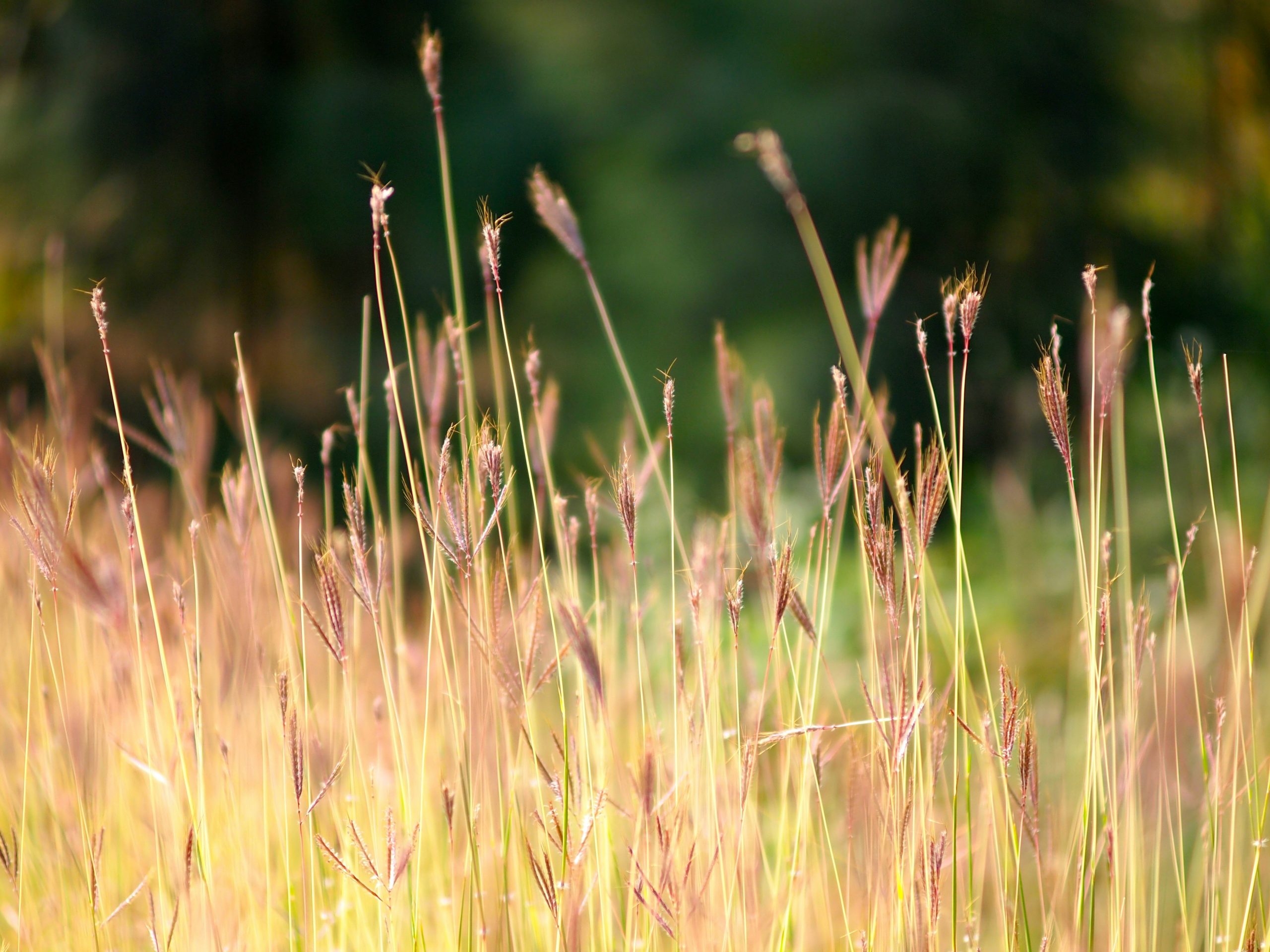
Grasses bring movement, and nothing catches morning light quite like them. Blue fescue stays small and tidy; little bluestem turns a gorgeous copper in fall.
Trim old growth in late winter so fresh blades come up clean.
- Zones
- 4–8 fescue · 3–9 bluestem
- Size
- 8 in to 3 ft
- Best season
- Fall and winter texture
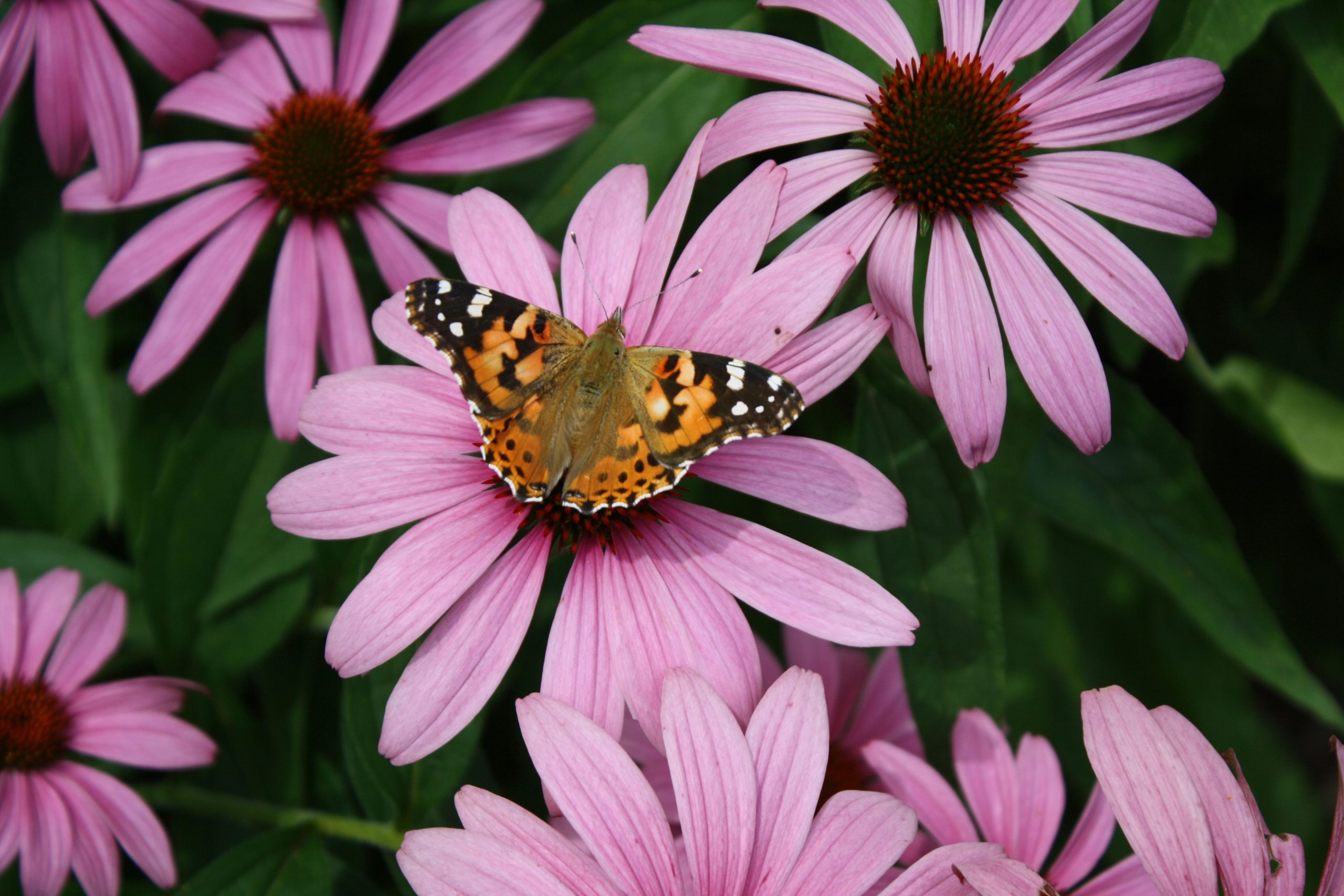
Coneflower
Echinacea
A prairie native with deep roots that find water you didn’t know was there. Butterflies agree it’s wonderful.
Start with classic purple coneflower. It’s tougher than many of the newer colors.
- Zones
- 3–9
- Size
- 2–4 ft
- Blooms
- Summer to early fall
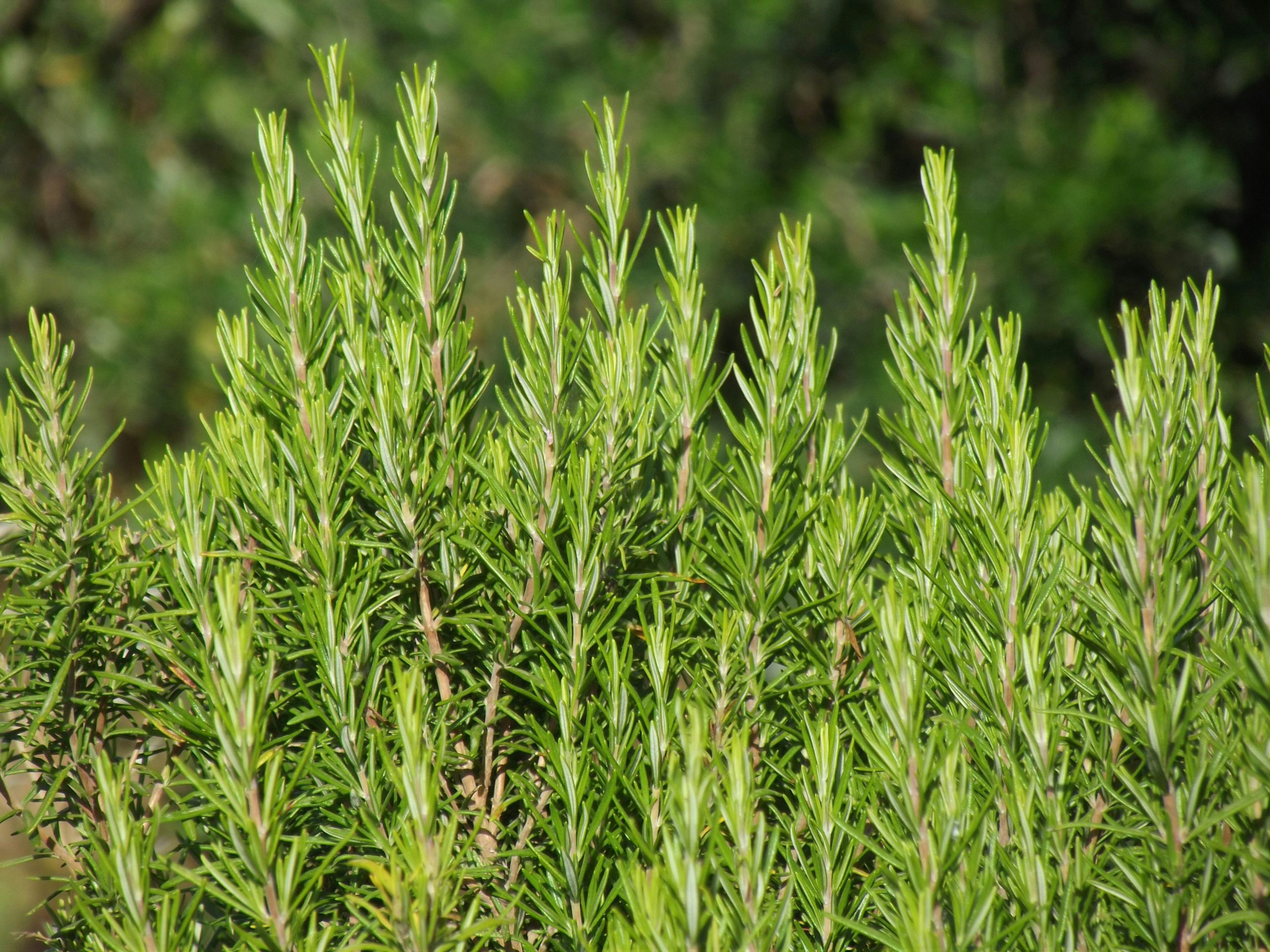
Rosemary
Salvia rosmarinus
Pretty, fragrant, and you get to cook with it. Brushing past it on the way to the door is one of my small daily joys.
Like lavender, it hates wet feet. Sandy or gravelly soil is ideal.
- Zones
- 7–10 in the ground; pots elsewhere
- Size
- 2–4 ft
- Blooms
- Winter to spring
Why fall is the secret best time to plant
Most of us get the planting itch in spring. But for drought-tolerant plants, fall is often better, and I wish someone had told me sooner. The soil is still warm, so roots keep growing. The air is cool, so leaves aren’t stressed. And autumn rain does much of your watering for you.
Plants you put in this fall get months to root deeply before their first hot summer. Bonus: garden centers often mark perennials down this time of year.
Plant about 6 weeks before your first hard frost. Stick with yarrow, sedum and coneflower.
Coastal California and the South can keep planting through November and into winter.

How to plant this fall
- Pick a sunny spot with at least 6 hours of direct sun.
- Check drainage. Fill a hole with water; it should drain within a few hours. If not, plant on a small mound.
- Go easy on compost. These plants prefer lean soil.
- Dig twice as wide as the pot, same depth, and loosen circling roots.
- Water deeply, then weekly until steady rain takes over.
- Mulch with gravel or thin bark, kept off the crown.
- Leave it alone. No heavy pruning or feeding until spring.
Beginner mistakes I made, so you don’t have to
Overwatering
More drought-tolerant plants die from soggy roots than from thirst.
Planting in shade
These are sun-lovers. In shade they flop and sulk.
Feeding too much
Rich soil makes lavender and Russian sage leggy and short-lived.
Giving up too soon
Perennials sleep, creep, then leap: slow year one, fuller year two, glorious year three.
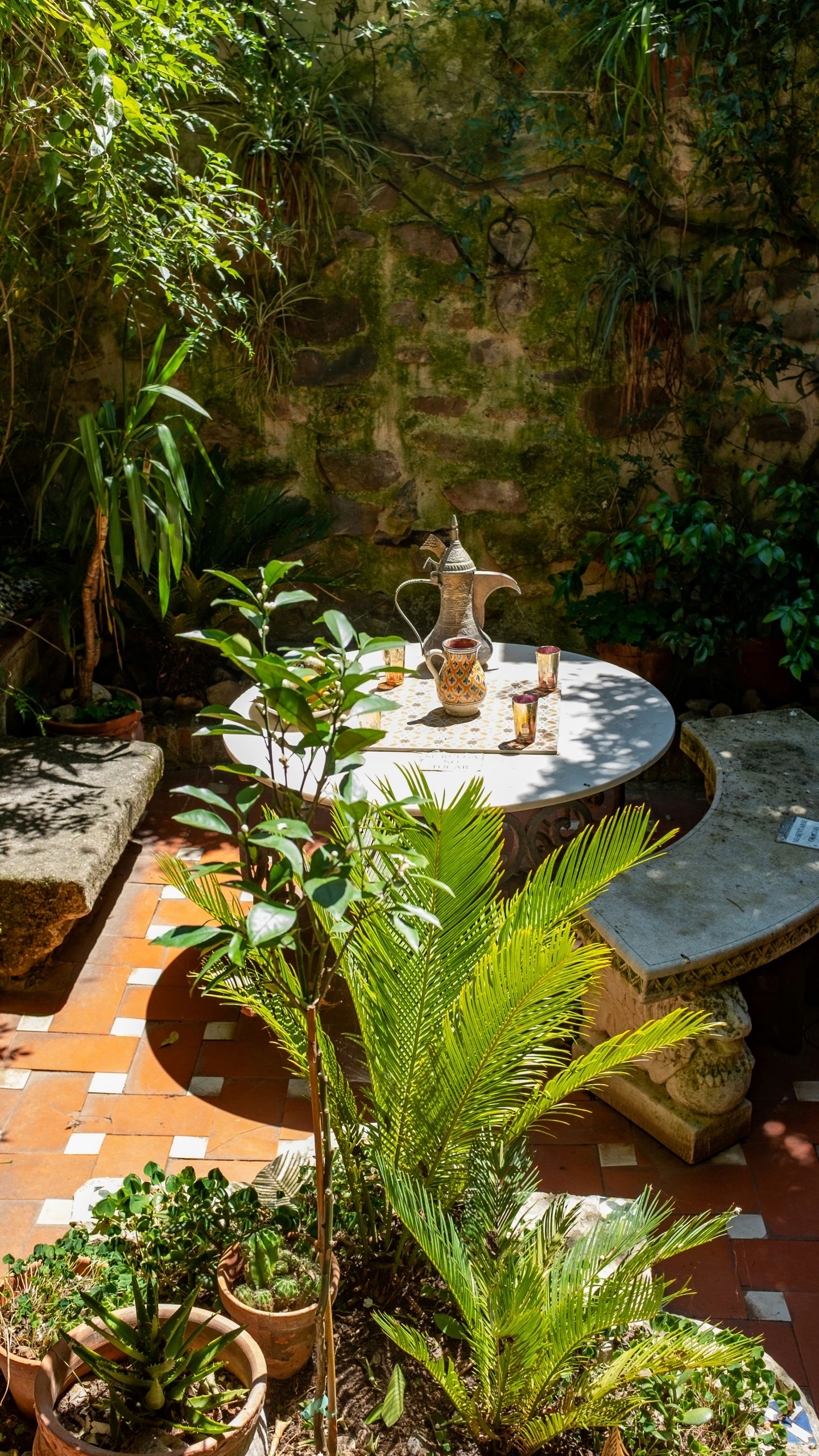
Start small, and let it surprise you
You don’t need a big garden or a perfect plan. Pick three plants from this list, find your sunniest corner, and tuck them in this fall. Come spring, they’ll greet you like old friends.
I’d love to hear what you’re planting. Tell me in the comments below.
Happy planting!Pin your favorite
Hover any image to save it to your Pinterest garden board.
Beginner garden9 Plants That Barely Need Waterthedayismine.com
Fall plantingPlant in Fall, Thank Yourself in Summerthedayismine.com
PollinatorsA Bee Garden on a Water Budgetthedayismine.com
Checklist7 Steps to Plant This Fallthedayismine.com
Plant careStop Overwatering!thedayismine.com