
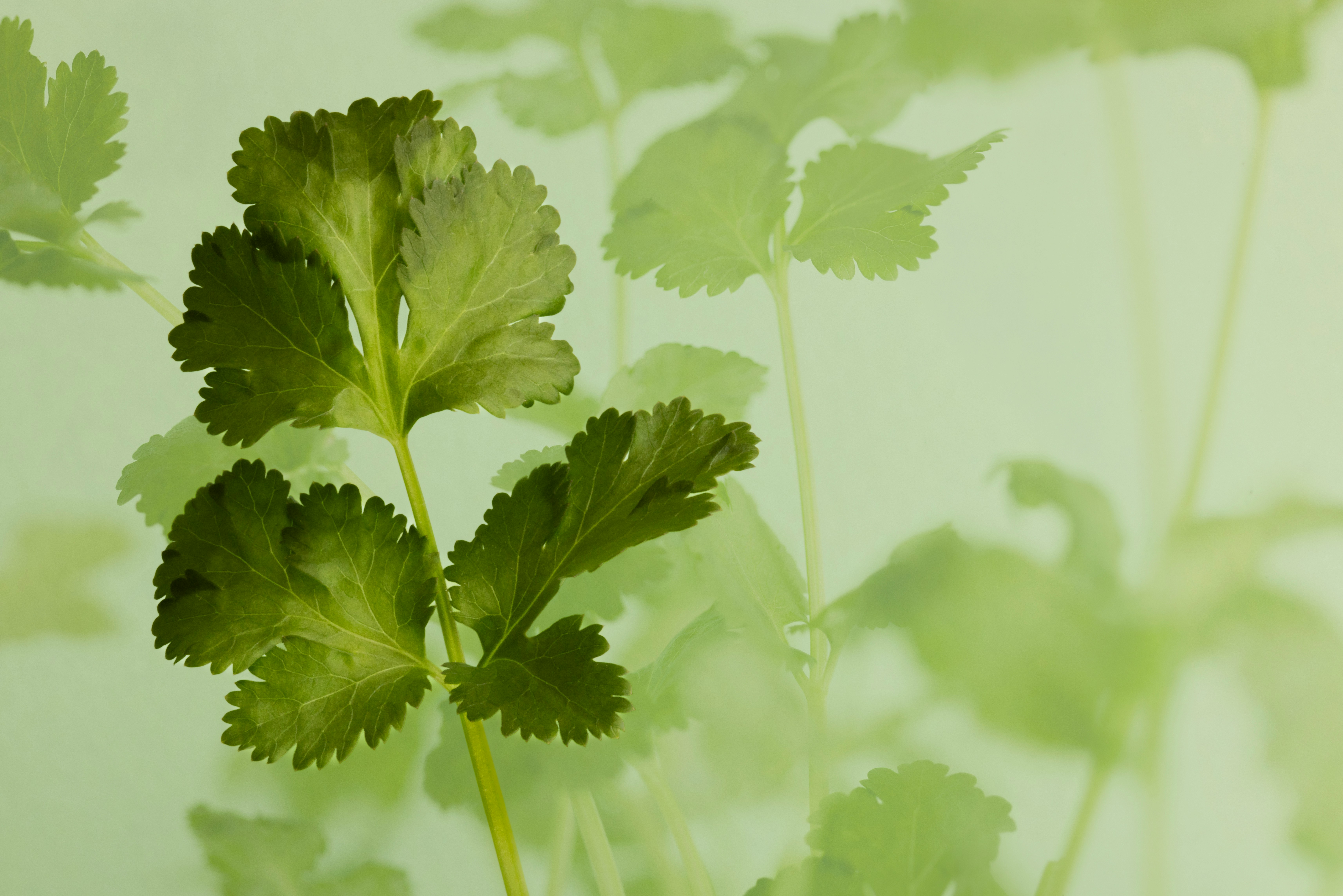
8 Herbs You Can Grow Indoors This Winter
A COZY WINTER GROWING GUIDE
Fresh flavor on your windowsill, even when there’s snow on the ground
There’s something a little rebellious about snipping fresh basil into a pot of tomato soup while snow piles up against the window. The first winter I tried it, though, my herbs were pale, floppy and frankly depressing by mid-January. I almost gave up.
Then it clicked. It wasn’t my thumb. It was the light. Once I fixed that (and stopped loving them to death with the watering can), my little windowsill garden kept us in fresh herbs all winter long.
If you’ve ever killed a grocery-store basil plant, this one’s for you. No judgment. Every one of us has a little herb graveyard somewhere.
BEFORE YOU PLANT
The 4 Secrets to Happy Indoor Herbs
- Light is everything. Most herbs want six or more hours of sun, and winter light is weak and short. A simple LED grow light on a 12 to 14 hour timer changes everything.
- Drainage, always. Pots with holes and a light, fast-draining potting mix. Never garden soil, which packs down like concrete indoors.
- Water less than you think. Poke a finger in. If the top inch is dry, water. If not, walk away. Soggy roots kill more indoor herbs than anything else.
- Snip often. Regular harvesting (never more than a third at once) keeps plants bushy instead of tall and spindly.
Meet Your Winter Windowsill Crew
Here are the eight herbs I grow every winter, starting with the ones that forgive just about anything and working up to basil, the divine diva of the bunch.
No. 1 · VERY EASY
Chives
The herb that simply refuses to quit
If you grow only one herb this winter, make it chives. Snip them down to an inch and they spring right back, again and again. I sprinkle them on scrambled eggs, baked potatoes and just about every soup I make.
☀ Medium light
💧 Keep lightly moist
No. 2 · VERY EASY
Mint
Practically unkillable, endlessly useful
Mint grows like it has somewhere important to be. Give it a pot of its own (it bullies other herbs) and you’ll have fresh mint tea, mojitos and lamb sauce all winter.
☀ Medium light
💧 Keep lightly moist
No. 3 · EASY
Parsley
The quiet, steady workhorse
Flat-leaf or curly, parsley handles lower light better than most herbs and keeps producing through the darkest weeks. Always harvest the outer stems first and the center keeps growing.
☀ Medium to bright light
💧 Keep lightly moist
No. 4 · EASY
Thyme
Thrives on a little benign neglect
Thyme comes from the sunny Mediterranean, so dry winter air doesn’t faze it. A terracotta pot and your sunniest spot keep it happy. It’s wonderful tucked into roast chicken and slow stews.
☀ Bright light
💧 Let dry between waterings
No. 5 · EASY
Oregano
Your pizza night hero
Tough, forgiving and bursting with flavor. Pinch the tips often to keep it compact and bushy, and you’ll have fresh oregano for every Friday pizza night until spring.
☀ Bright light
💧 Let dry between waterings
No. 6 · MODERATE
Rosemary
Smells exactly like the holidays
Rosemary wants your brightest window and a light hand with the watering can. Let it dry out between drinks. It’s much easier to start from a small nursery plant than from seed.
☀ Bright light
💧 Let dry; never soggy
No. 7 · MODERATE
Cilantro
Winter is secretly its favorite season
Cilantro bolts in summer heat, so a cool winter windowsill actually suits it. It’s short-lived, so sow a fresh pot every three to four weeks and you’ll never run out for tacos.
☀ Bright, cool spot
💧 Keep lightly moist
No. 8 · A LITTLE TRICKIER
Basil
Worth every bit of the extra effort
Basil loves heat and buckets of light, which makes winter a challenge. Put it under a grow light in your warmest room and pinch off any flower buds. You’ll be making pesto in February, and it feels like magic.
☀ Very bright + warm
💧 Keep lightly moist
When Your Herbs Look Sad (and How to Fix It)
Every indoor gardener runs into these. Here’s what your plants are trying to tell you.
| What you see | Likely cause | The fix |
|---|---|---|
| Tall, floppy, leggy stems | Not enough light | Add a grow light and pinch the tips |
| Yellowing leaves | Too much water | Let the soil dry out; check drainage |
| Crispy brown tips | Dry air or a heat vent | Move away from heat; group plants together |
| Tiny flies or fine webbing | Fungus gnats or spider mites | Let soil dry; rinse leaves; try sticky traps |
| Basil turning black | Cold glass or drafts | Move it off the windowsill at night |
My favorite shortcut: Buy a potted herb at the grocery store, gently tease it apart into three or four clumps, and repot each one. Those pots are crammed with dozens of seedlings, so you get an instant herb garden for a few dollars.
The Gear That Made the Biggest Difference
I’ve tried plenty of gadgets. These four are the ones I’d buy again in a heartbeat.
Countertop Hydroponic Garden
No soil, no guesswork. Built-in lights and timers do the hard part, which makes fresh basil in January almost effortless. It’s a lovely gift, too.
Clip-On LED Grow Light
The single best upgrade I ever made for my windowsill herbs. Clip it to a shelf, set the timer, and watch leggy plants straighten up.
Light Organic Potting Mix
Fast-draining mix keeps roots breathing and happy. It’s the unglamorous secret behind every healthy indoor herb.
Herb Snips
Clean cuts help herbs regrow faster than tearing. A small, sharp pair lives right by my kitchen window.
Your Questions, Answered
What’s the easiest herb to grow indoors in winter?
Chives and mint are the most forgiving, with parsley right behind them.
Do I really need a grow light?
Not always, but in most homes winter sun is too weak and too brief. A grow light is the difference between herbs that survive and herbs that thrive.
How often should I water indoor herbs?
Skip the schedule and use your finger. Water when the top inch feels dry. Mint, parsley and basil like it a bit moister; thyme, oregano and rosemary prefer drier.
Can I root grocery store herbs?
Yes! Basil and mint stems root in a glass of water in a week or two. Pot them up once the roots are an inch long.
Your Winter Windowsill Awaits
Start with one or two easy herbs, give them good light, and go easy on the watering can. By the time the snow melts, you’ll have a little green companion (or eight) on your windowsill and fresh flavor in every winter meal.
Which herb are you going to try first? Tell me in the comments. I love hearing what’s growing in your kitchen. 🌿
Pin this guide so it’s handy the next time you’re at the garden center!
A quick note: This post contains affiliate links. If you buy through them, I may earn a small commission at no extra cost to you, which helps keep this little blog growing. As an Amazon Associate, I earn from qualifying purchases. I only share things I use or would happily use myself.