The Drought-Tolerant Spring Garden: Low-Water Flowers for Zone 9
By Leela
A spring garden that asks for very little and gives back a lot.
In Zone 9, spring comes early and generously. By February the light softens and goes golden, and the soil is still damp from winter rain. For a few short months, the garden seems to bloom on its own.
Then summer arrives, and so does the water bill.
The gardens that look best here are not the thirstiest ones. They are planted with flowers built for this climate: mild, wet winters followed by long, dry summers. Many come from California, the Mediterranean, South Africa and Australia, where the seasons run the same way. They bloom hard in spring, shrug off heat, and settle into a quiet, low-water rest when the rains stop.
This guide brings together ten of the most beautiful. Each one is chosen for spring color, drought tolerance once established, and the kind of easy grace that makes a garden feel considered rather than fussed over.
A quick note on “low-water”: almost every plant needs regular water for its first season while roots settle. After that, the plants below can get by on deep watering every one to three weeks in summer, and some need none at all.
Ten low-water flowers for a Zone 9 spring
| Flower | Spring color | Height | Sun | Water once established |
|---|---|---|---|---|
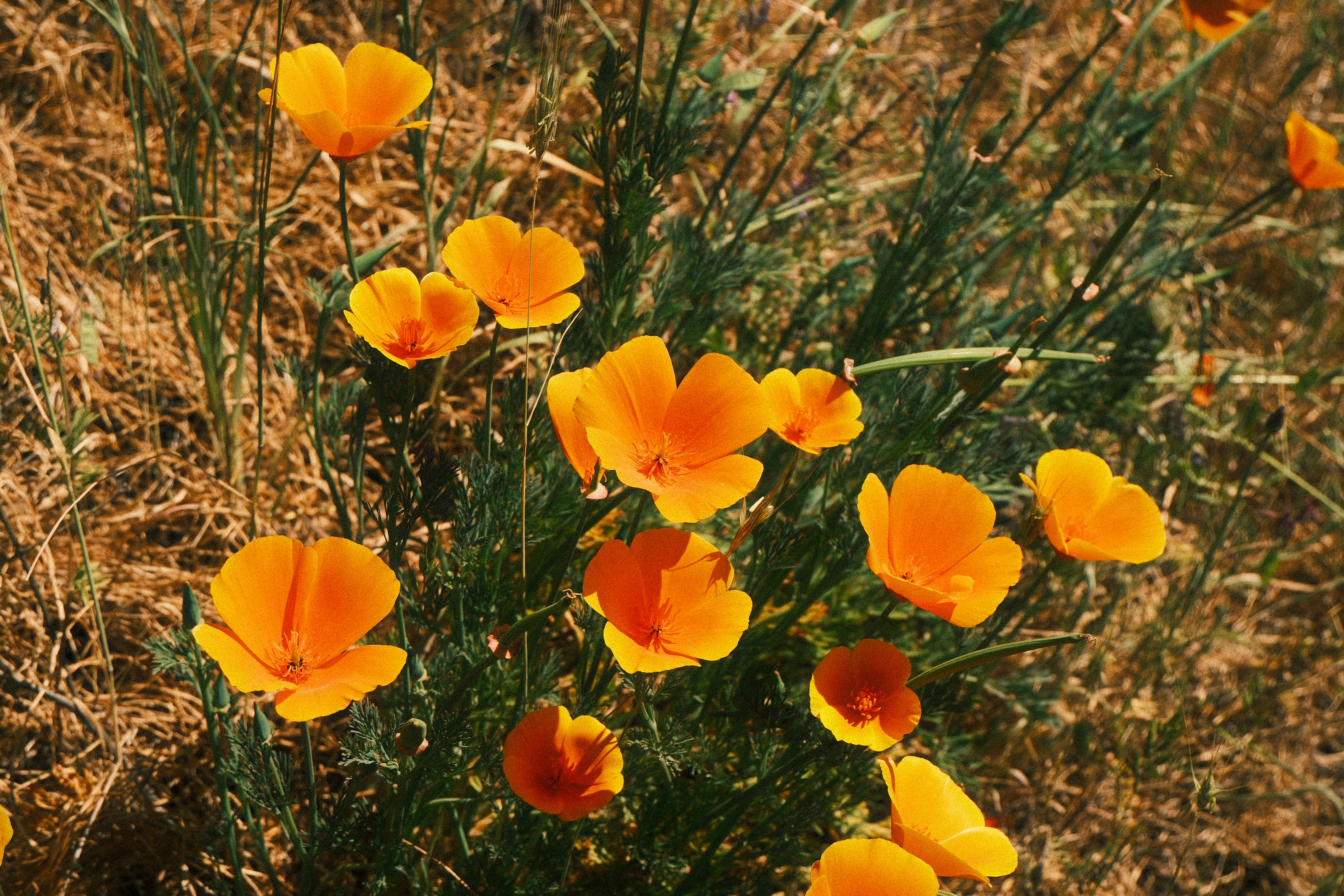
| California poppy | Orange, gold, cream | 1 ft | Full sun | None to very low |
| Arroyo lupine | Violet-blue | 1–3 ft | Full sun | None to very low |
| California lilac (Ceanothus) | Blue, violet, white | 2–8 ft | Full sun | None in summer |
| Cleveland sage | Lavender-blue | 3–5 ft | Full sun | Very low |
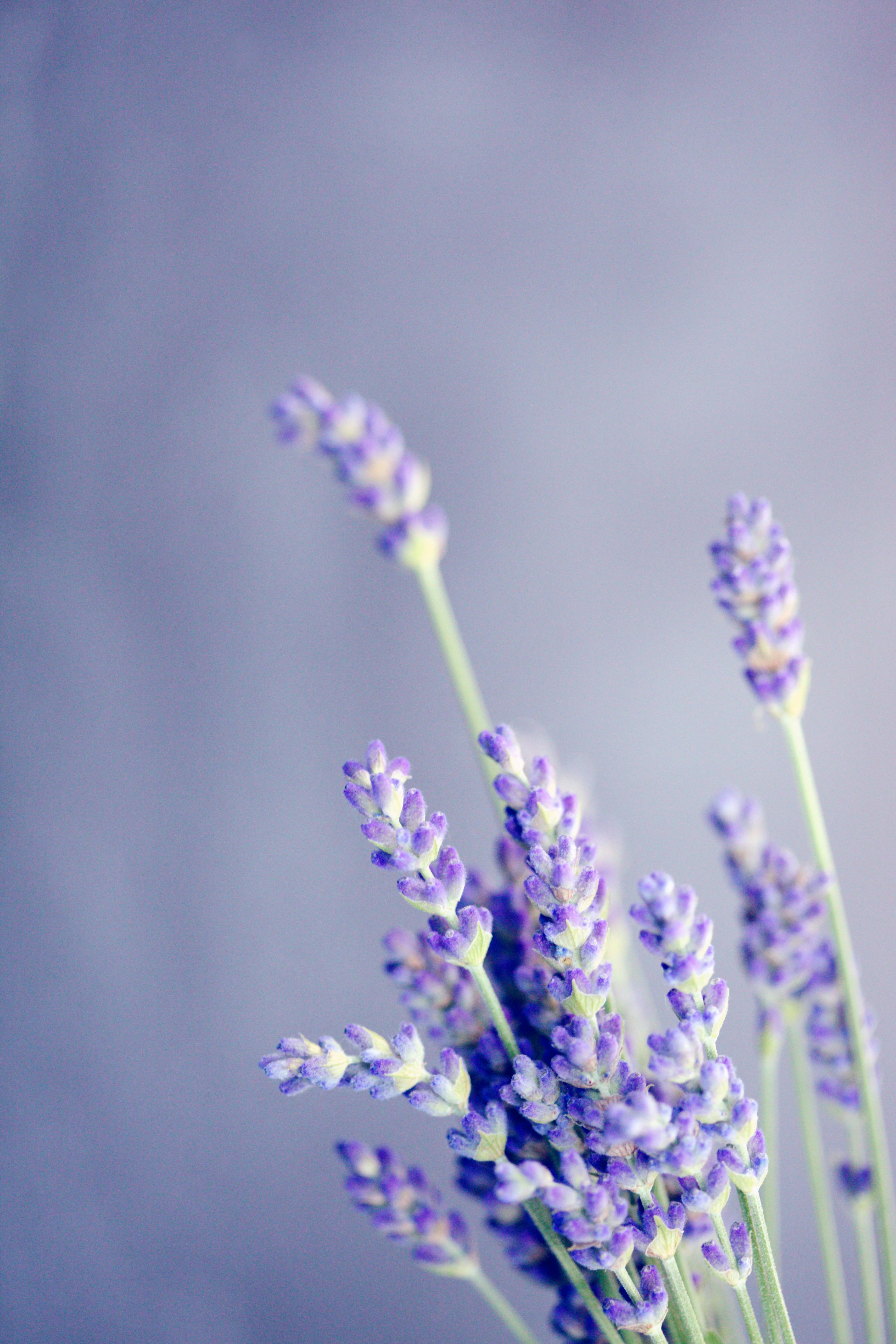
| Spanish lavender | Purple with “bunny ears” | 1.5–3 ft | Full sun | Low |
| Penstemon ‘Margarita BOP’ | Blue to purple | 1.5–2 ft | Sun to part shade | Low |
| Rockrose (Cistus) | White, pink, magenta | 2–5 ft | Full sun | Very low |
| Kangaroo paw | Red, gold, pink, orange | 1–5 ft | Full sun | Low |
| Hardy ice plant (Delosperma) | Magenta, coral, yellow | 3–6 in | Full sun | Very low |
| Yarrow (Achillea) | White, pink, gold, terracotta | 1–3 ft | Full sun | Low |
1. California poppy (Eschscholzia californica)
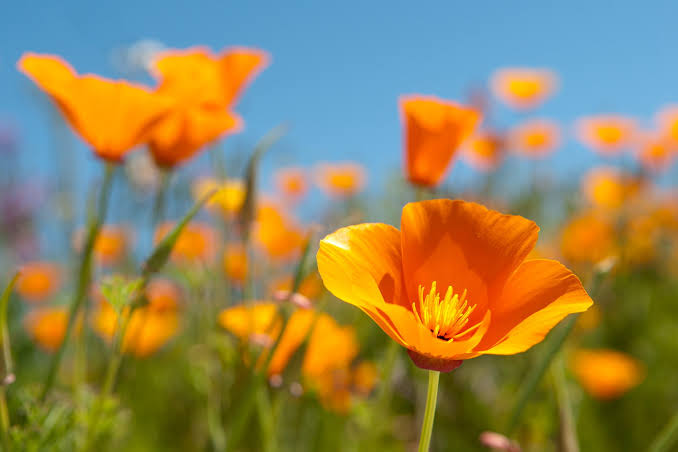
Nothing says spring in the West quite like a drift of poppies. The silky, cup-shaped petals open with the sun and fold at dusk, and the blue-green, lacy foliage is lovely on its own. Scatter seed in fall, just before the rains, and let them reseed year after year.
Grow it: Lean, well-drained soil; no fertilizer. Never transplant, since the taproot resents it.
Shop it: California poppy seeds on Amazon
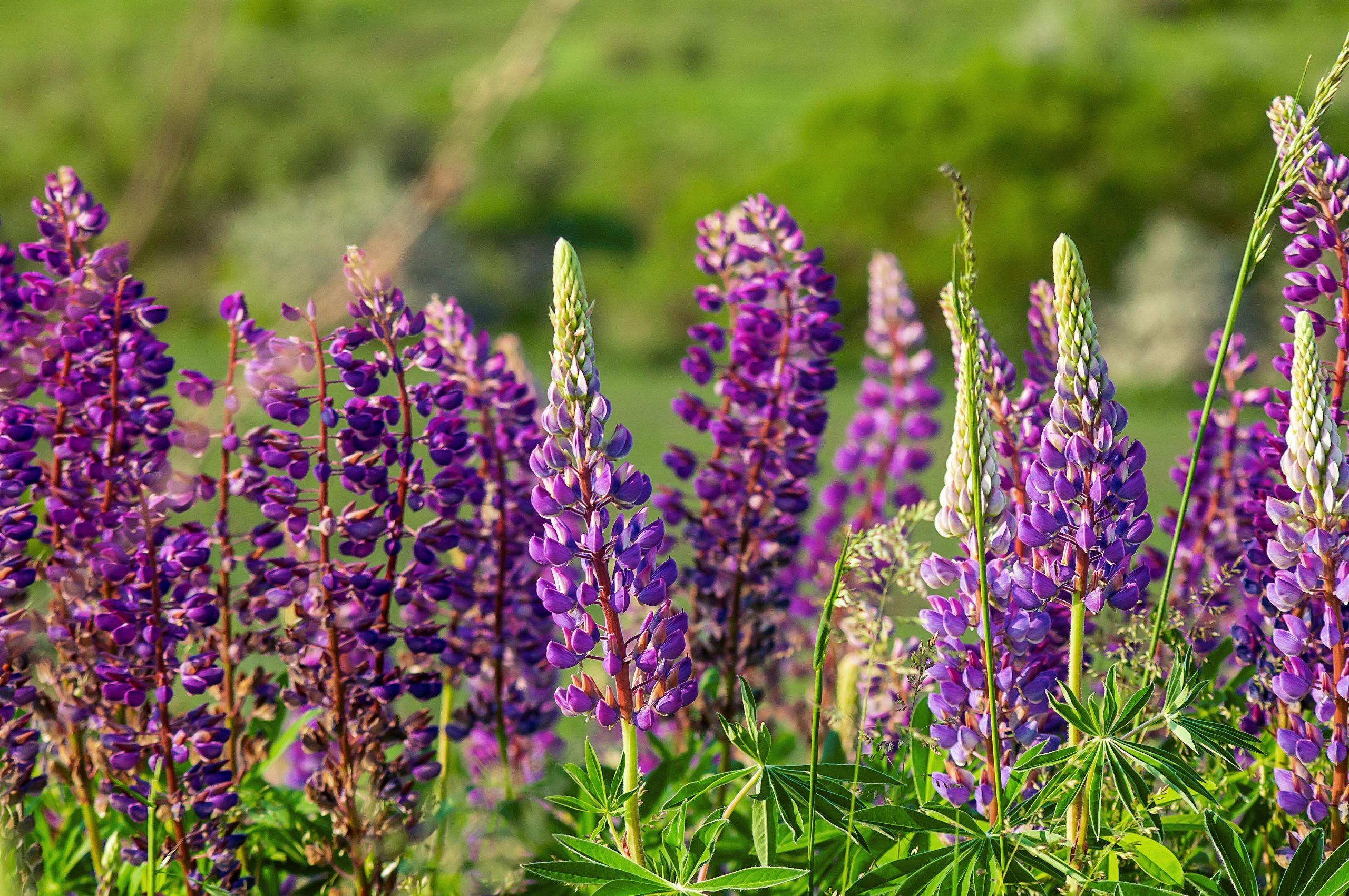
2. Arroyo lupine (Lupinus succulentus)
Tall spires of violet-blue rise above palm-shaped leaves, often in the same weeks as the poppies. Together they make the classic wildflower pairing. Lupines also fix nitrogen, quietly feeding the soil around them.
Grow it: Soak seed overnight and sow in fall. Bees adore it.
Shop it: Arroyo lupine seeds on Amazon
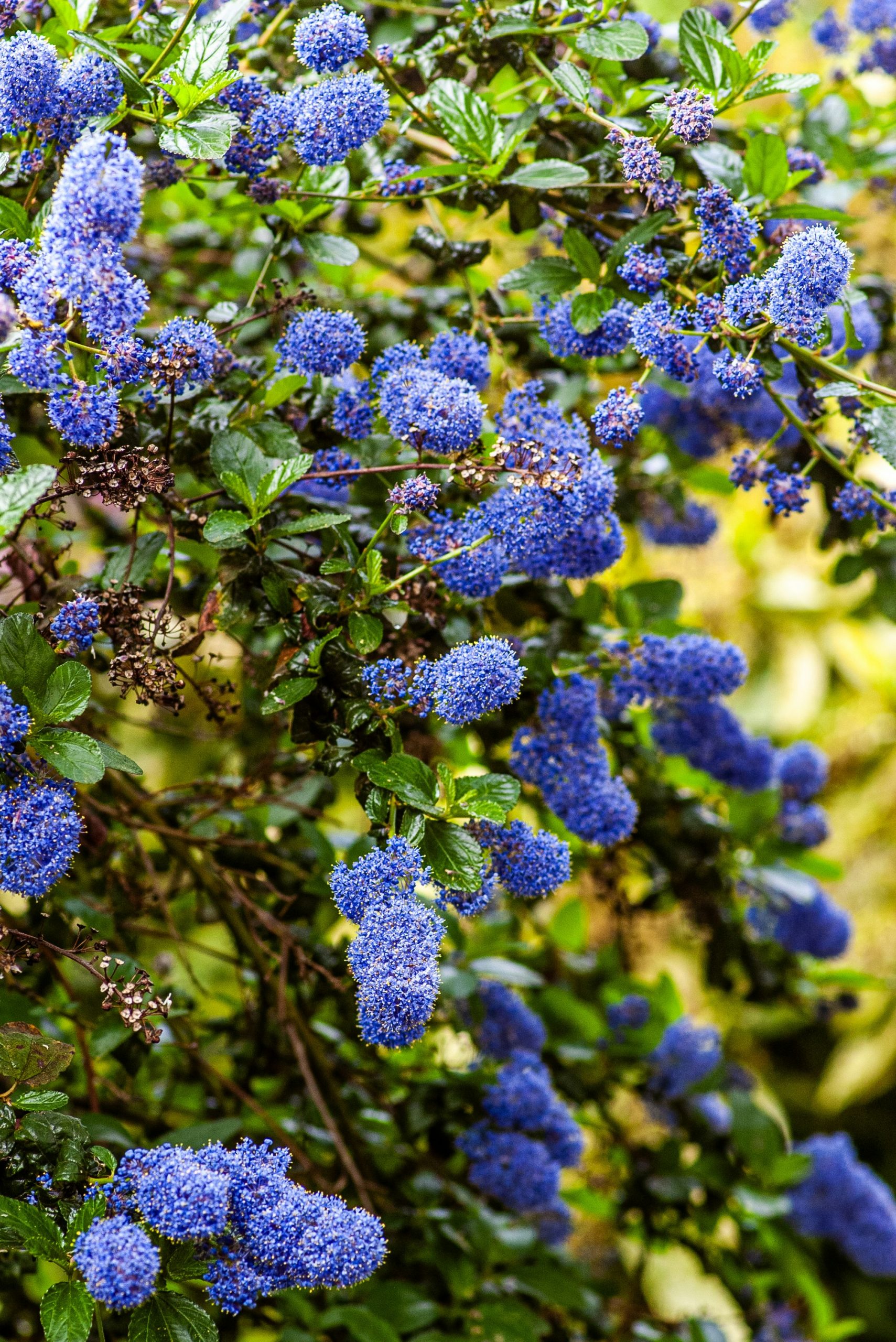
3. California lilac (Ceanothus)
In March and April, ceanothus covers itself in clouds of fragrant blue blossom, the truest blue in a dry garden. Choose from groundcovers like ‘Yankee Point’ to small-tree forms like ‘Ray Hartman’.
Grow it: Fast-draining soil and full sun. Once established, keep summer water away entirely, because it shortens the plant’s life.
Shop it: Ceanothus (California lilac) plants on Amazon
4. Cleveland sage (Salvia clevelandii)
Brush past this one and the whole garden smells of warm hillsides. Whorls of lavender-blue flowers stack up silvery stems from late spring, and hummingbirds arrive almost immediately. ‘Winnifred Gilman’ and ‘Allen Chickering’ are reliable choices.
Grow it: Shear lightly after bloom to keep it full. Water once a month in summer at most.
Shop it: Cleveland sage on Amazon
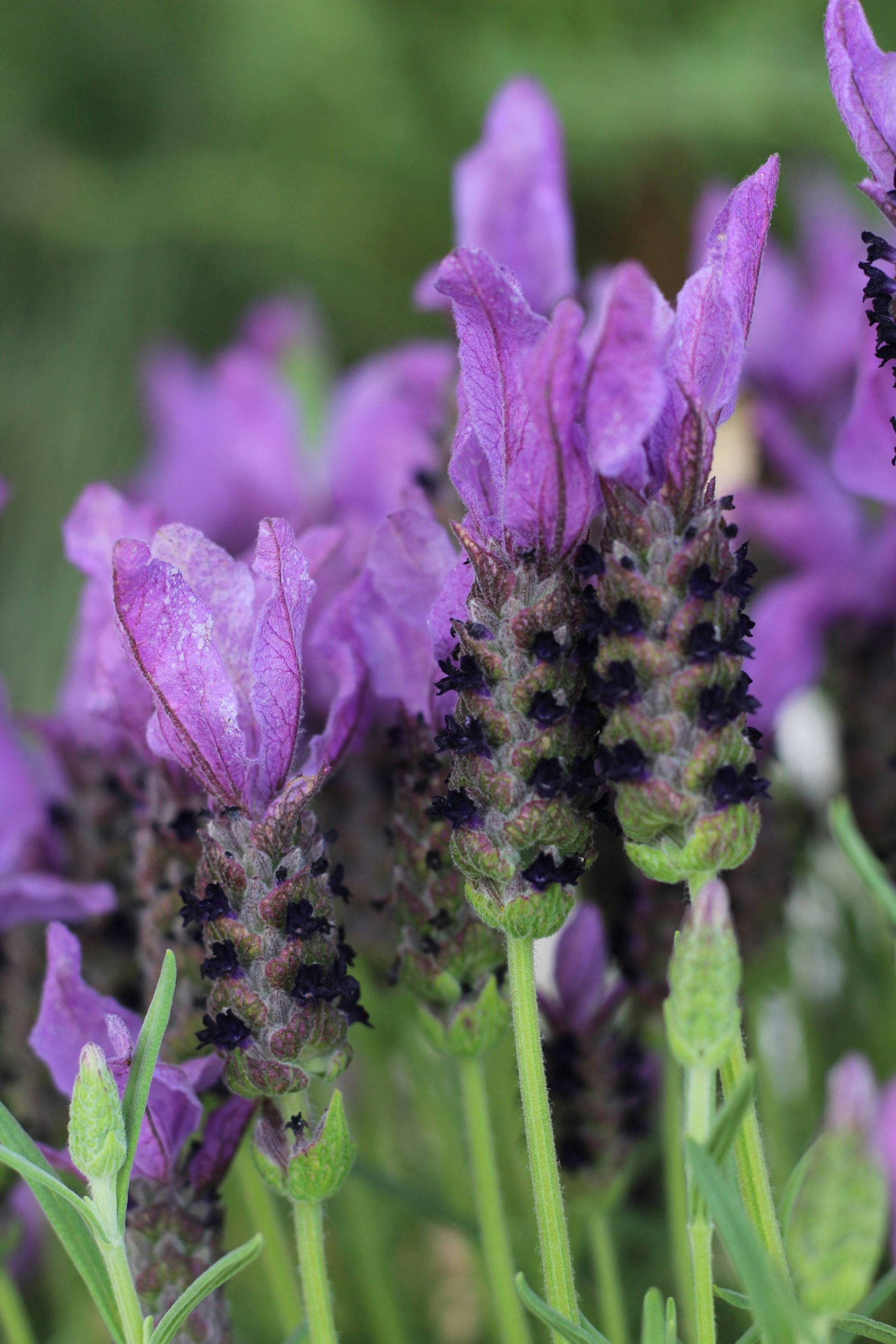
5. Spanish lavender (Lavandula stoechas)
Plump purple flower heads topped with whimsical petals, like little rabbit ears. It blooms earlier than English lavender, often by late winter, and handles Zone 9 heat far better.
Grow it: Sharp drainage is everything. Gravel mulch, not bark, keeps the crown dry.
Shop it: Spanish lavender plants on Amazon
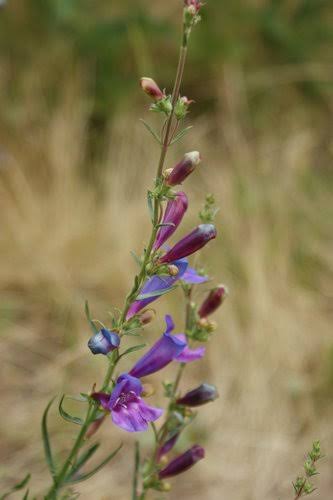
6. Penstemon ‘Margarita BOP’
A long-blooming hybrid with tubular flowers that shift from sky blue to deep purple. It is one of the most forgiving native penstemons for home gardens and tolerates a bit of afternoon shade.
Grow it: Cut spent stems to the base to encourage a second flush.
Shop it: Penstemon ‘Margarita BOP’ on Amazon
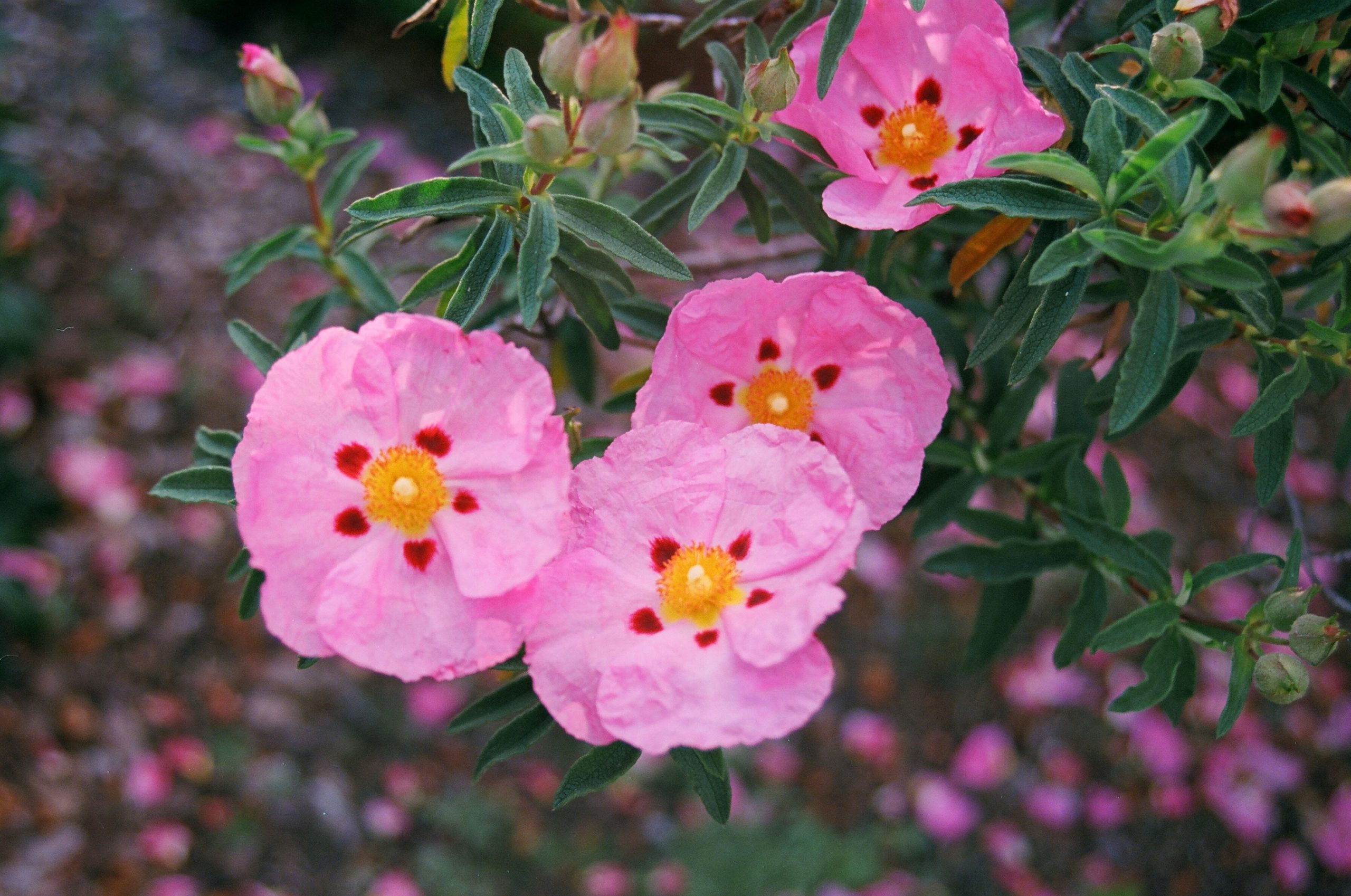
7. Rockrose (Cistus)
Papery, crinkled petals like crushed silk, often with a deep crimson blotch at the base. Each flower lasts a day, but hundreds open in succession through spring. Rockrose is also notably fire-resistant.
Grow it: Thrives on neglect and poor soil. Avoid hard pruning into old wood.
Shop it: Rockrose (Cistus) plants on Amazon
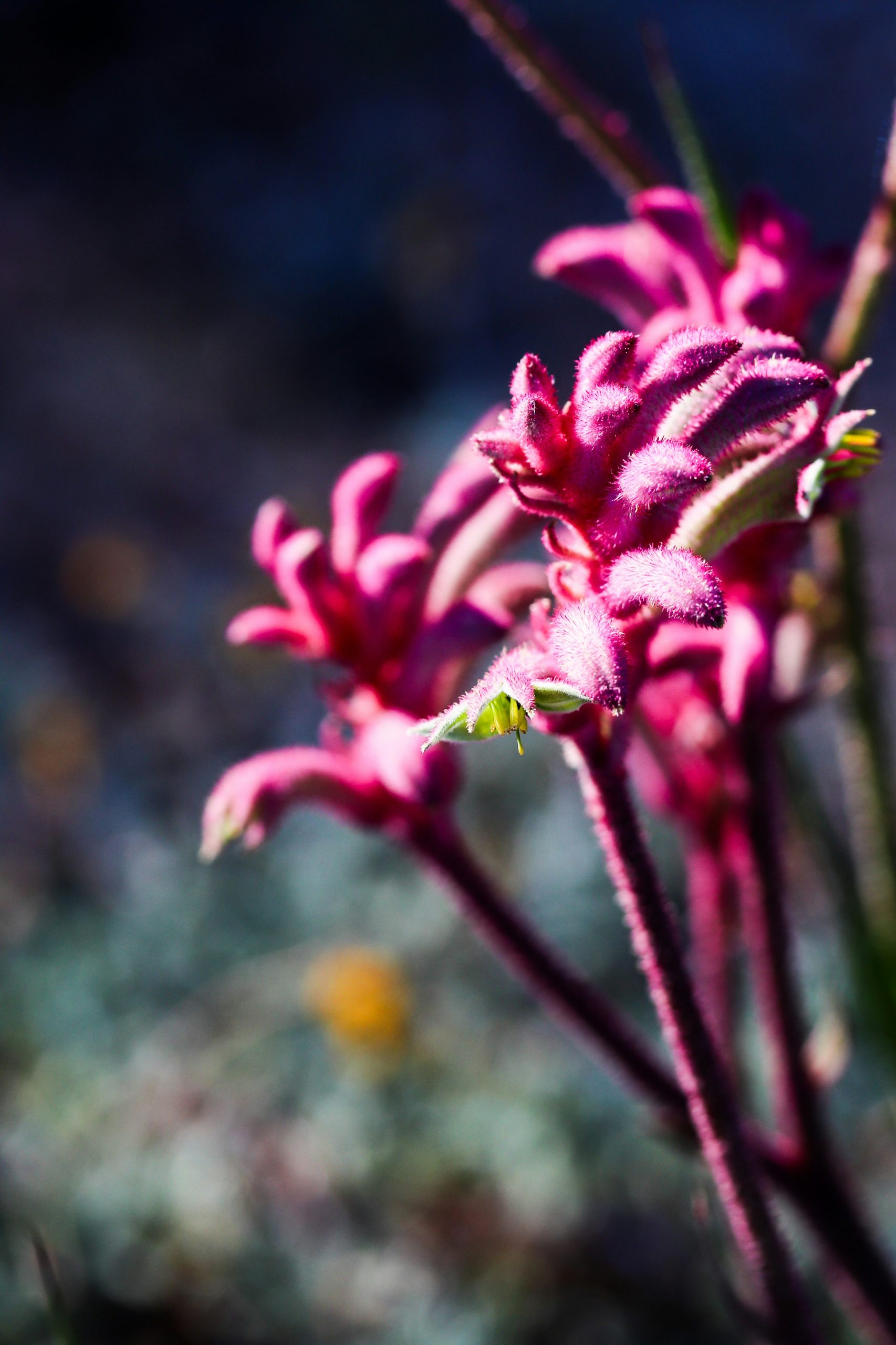
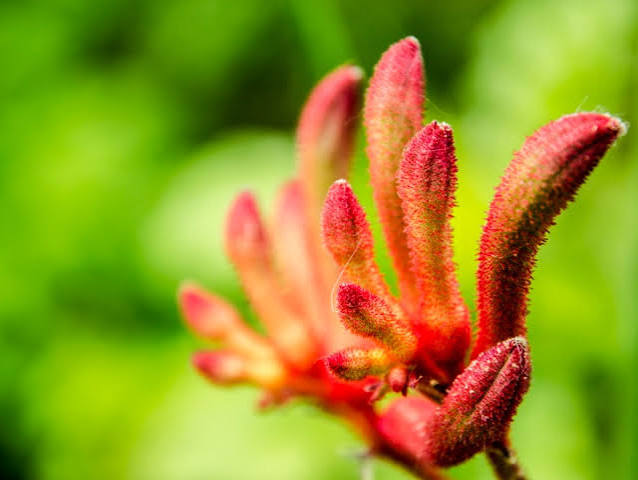
8. Kangaroo paw (Anigozanthos)
Sculptural, velvety flowers on tall stems that look almost unreal. This Australian native brings a modern, architectural note and lasts beautifully as a cut flower.
Grow it: Cut old flower stalks to the ground after bloom to keep plants tidy and vigorous.
Shop it: Kangaroo paw plants on Amazon
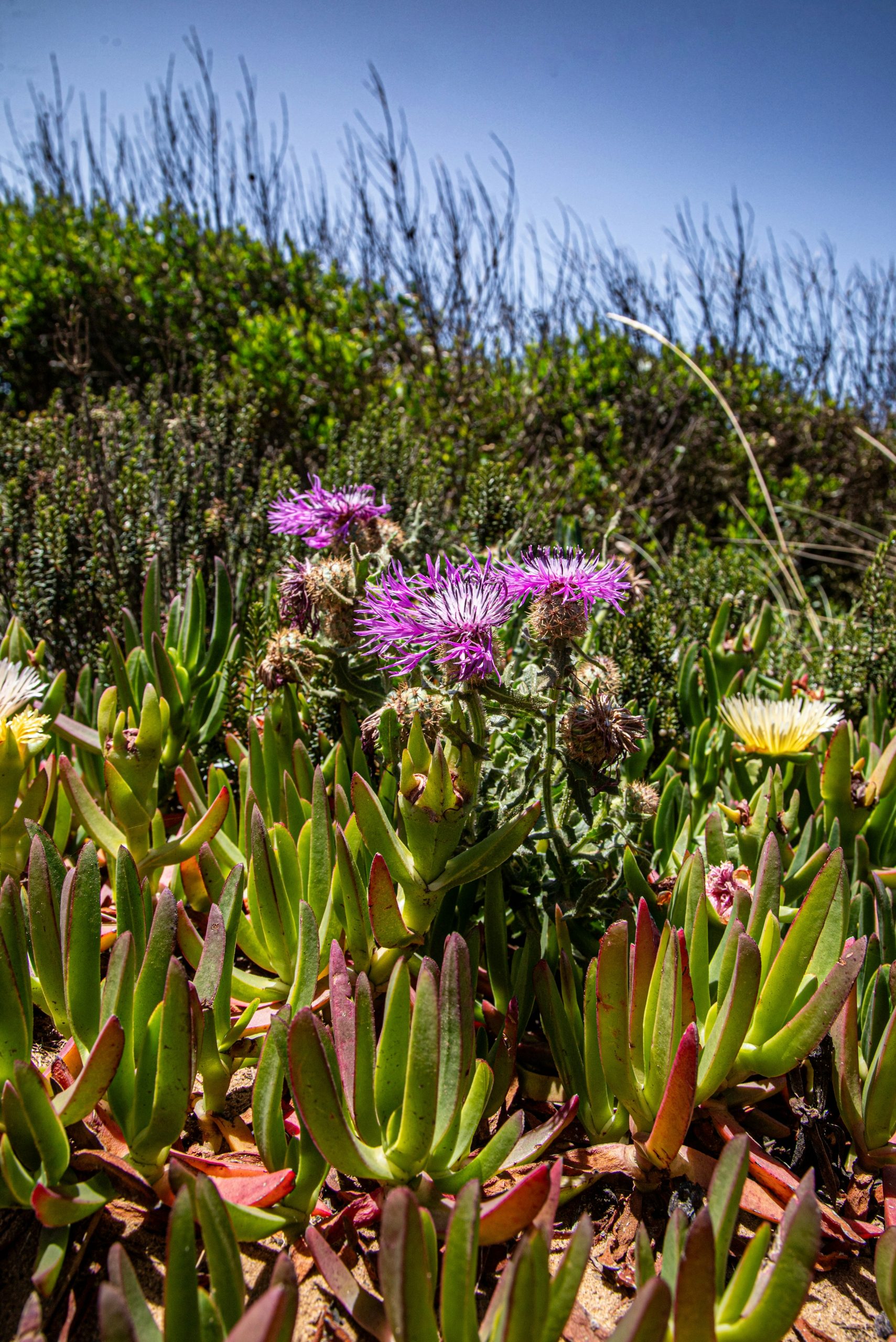
9. Hardy ice plant (Delosperma)
A low carpet of succulent leaves that disappears under shimmering, daisy-like blooms in spring. Ideal for slopes, rock gardens and the hot strip along a driveway.
Grow it: Needs excellent drainage, especially in winter. Choose Delosperma rather than the invasive Carpobrotus.
Shop it: Hardy ice plant (Delosperma) on Amazon
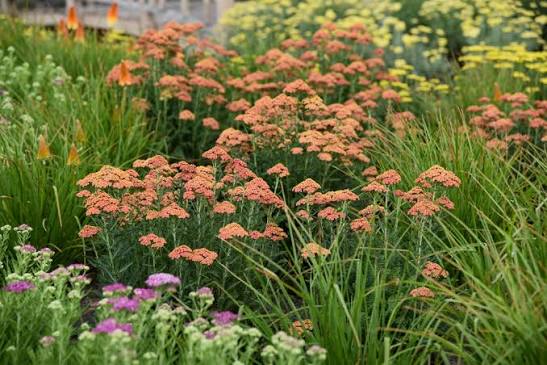
10. Yarrow (Achillea)
Flat, lace-like clusters of flowers above feathery, fragrant leaves. Native common yarrow (Achillea millefolium) comes in soft whites and pinks; hybrids like ‘Terracotta’ add warm sunset tones.
Grow it: Deadhead for repeat bloom. It spreads gently, making a good lawn alternative in sunny spots.
Shop it: Yarrow seeds and plants on Amazon
Designing a water-wise spring garden that feels lush
A low-water garden should never look sparse. A few principles keep it full and intentional.
- Plant in fall, not spring. October through December is the secret of Zone 9 gardening. Winter rain does the watering while roots grow, so plants arrive at spring ready to bloom.
- Group by thirst. Keep ceanothus and rockrose together, away from sprinklers. Place lavender and kangaroo paw where an occasional deep soak can reach them.
- Repeat, repeat, repeat. Three to five of one plant reads as a design choice; one of everything reads as a collection.
- Layer heights. Ceanothus and Cleveland sage at the back, lavender and penstemon in the middle, ice plant and poppies spilling over the front edge.
- Choose a palette. Blue, violet and silver (ceanothus, sage, lavender, lupine) with one warm accent like poppy orange looks sophisticated and calm.
- Mulch with gravel or decomposed granite around Mediterranean plants. Use a thin layer of wood chips for natives that like a little leaf litter.
- Switch to drip. Drip irrigation puts water at the roots and can cut outdoor water use substantially compared with overhead spray.
Shop the water-wise essentials:
- Drip irrigation kit
- Decorative gravel mulch
- California native wildflower seed mix
- Bypass pruning shears
- Soil moisture meter
A simple Zone 9 care calendar
| Season | What to do |
|---|---|
| Fall (Oct–Dec) | Plant perennials and shrubs. Sow poppy and lupine seed before the first rains. |
| Winter (Jan–Feb) | Let rain water. Pull weeds while soil is soft. Watch for the first lavender buds. |
| Spring (Mar–May) | Peak bloom. Deadhead yarrow and penstemon. Enjoy, photograph, cut flowers. |
| Summer (Jun–Sep) | Deep-water every 1–3 weeks (none for ceanothus). Let poppies set seed. Shear sage and lavender lightly after bloom. |
Desert Zone 9 gardeners (Phoenix, Tucson, Las Vegas edges): expect earlier bloom and hotter summers. Give lavender and kangaroo paw afternoon shade, and lean on Cleveland sage, penstemon, rockrose and ice plant.
Frequently asked questions
When should I plant spring flowers in Zone 9?
In fall, ideally October to December. Seeds and young plants use winter rain to build roots, then bloom in spring.
What is the most drought-tolerant spring flower for Zone 9?
California poppy and ceanothus need essentially no summer water once established. Rockrose and hardy ice plant are close behind.
Do drought-tolerant plants need fertilizer?
Rarely. Most prefer lean soil, and rich feeding leads to floppy growth and fewer flowers.
Will these plants attract pollinators?
Yes. Sage, lupine, ceanothus and penstemon are bee and hummingbird favorites.
A garden in step with the seasons
The loveliest Zone 9 gardens follow the rhythm of the climate rather than fight it. They burst into color with the spring rains and rest gracefully through the dry months, asking for little more than an occasional deep drink.
Start small: a few poppies scattered this fall, a single Cleveland sage by the path. By next spring, you may find you have traded a thirsty lawn for something far more beautiful.
Which of these would you plant first? Tell me in the comments, and save this guide to Pinterest for fall planting season.
Disclosure: This post contains affiliate links. As an Amazon Associate I earn from qualifying purchases, at no extra cost to you.