A Lifelong Beginner
Why I Garden · Part IV
Why I garden: to keep learning
A Lifelong Beginner
After all these seasons, the garden is still the best teacher I’ve had, and most of its lessons came from my mistakes.
I’ve killed a lot of plants. I want to say that up front, because I think new gardeners imagine experienced ones simply know things. We don’t. We’ve made more mistakes, and we’ve written a few of them down.
Learning is one of the biggest reasons I garden. Every season is a new experiment with new variables: a wetter spring, a hotter July, a pest I’ve never seen. I don’t think I’ll ever run out of things to figure out, and at this point in my life that feels like a gift.
These are the lessons that changed how I garden. I learned almost all of them the hard way.
My zone is a starting point, not a promise
The USDA Plant Hardiness Zone Map divides the country by average coldest winter temperature, in bands of 10°F. Zone 3 winters can reach −40°F; zone 10 rarely freezes at all. When a plant tag says “hardy to zone 5,” it means the roots should survive a typical zone 5 winter.
What the zone doesn’t tell you matters just as much. It says nothing about summer heat, humidity, rainfall, or the length of your growing season. Two gardens in the same zone can be wildly different, one damp and mild, the other dry and blazing. I learned this when a lavender rated for my zone rotted in a single wet winter. Cold was never the problem. Drainage was. The American Horticultural Society’s heat zone map, which counts the days above 86°F, filled in many of the gaps for me.
Frost dates matter more than the calendar
I used to plant tomatoes on a holiday weekend because that’s what everyone did. Now I plant by my average last frost date, and I wait an extra week or two for the soil to warm. In cold zones the growing season can be barely 100 days, so starting seeds indoors and choosing quick-maturing varieties makes all the difference. Warm zones can grow almost year-round, but they often get a second “winter” in high summer, when lettuce bolts and tomatoes stop setting fruit. Learning my own rhythm took years.
Soil tells the truth
For three seasons I blamed myself for yellow, stunted plants. One inexpensive soil test showed my pH was far off. Now I test every couple of years. Home kits are a good start, and many cooperative extension offices run lab tests that are affordable and detailed. I add compost every year no matter what, because it improves heavy clay and sandy soil alike.
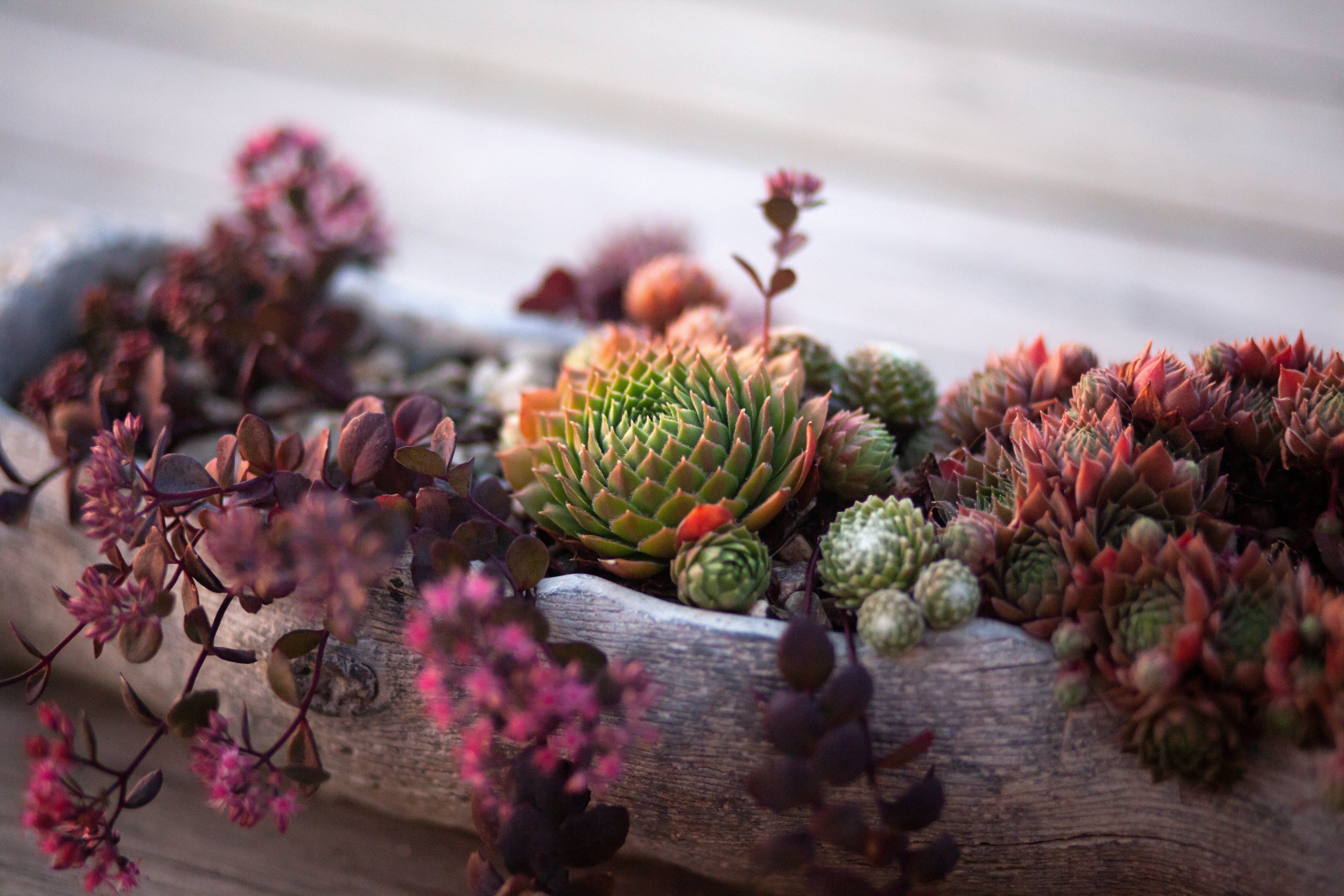
Years of compost, finally paying off.
Every yard has microclimates
The bed against my south-facing brick wall behaves like it’s a zone warmer than the rest of the yard. The low corner by the shed collects cold air and gets frost two weeks before anywhere else. Once I started noticing these pockets, I started putting plants where they’d be happiest instead of where I wanted them.
Write it down
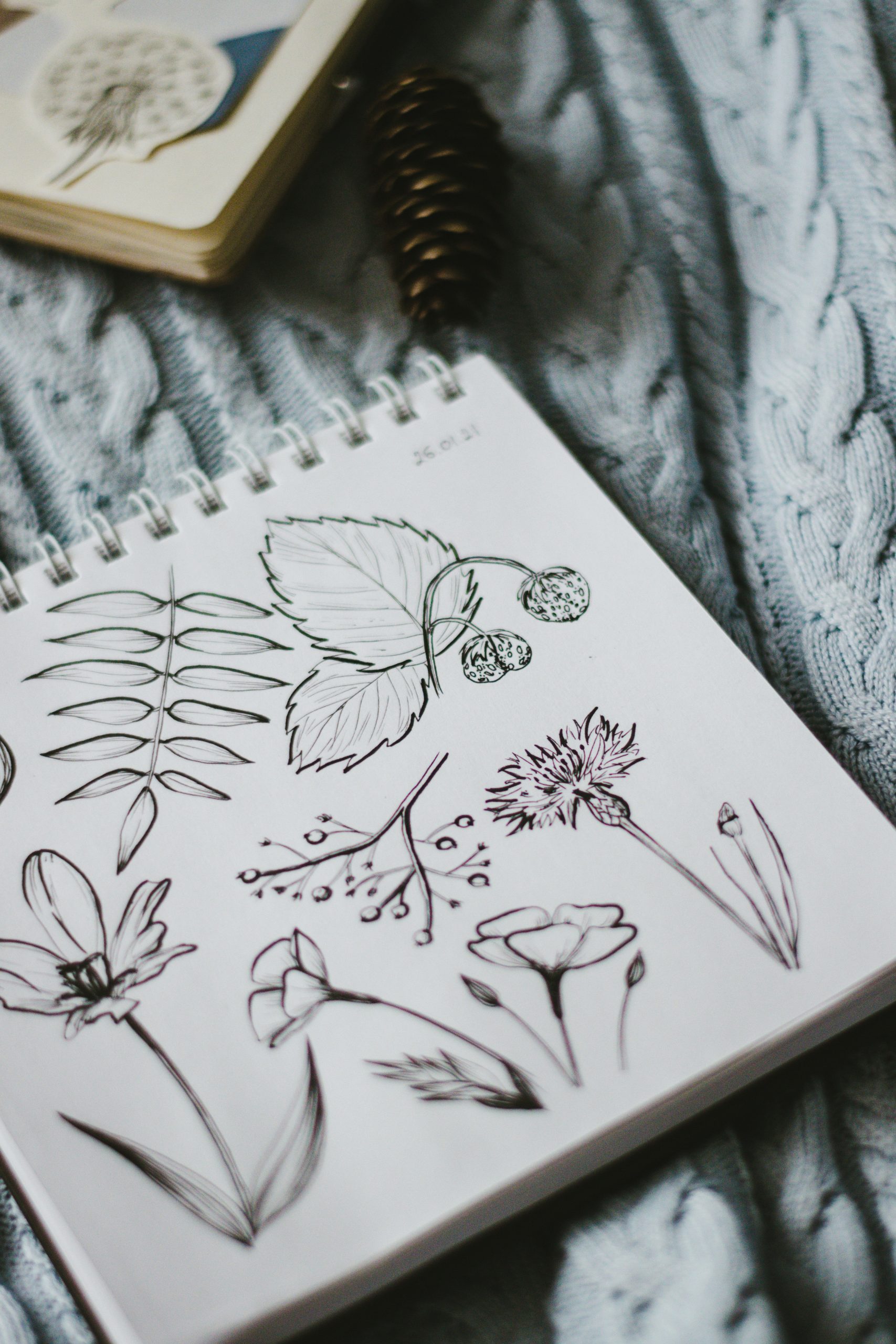
A garden journal is the most useful tool I own. What I planted, when, and where. What the weather did. What thrived and what sulked. Memory is unreliable by February. My notes are not.
Failure is just information
The squash that died, the carrots that forked, the roses I loved too much and fed to death. Each one taught me something I now know in my bones. The garden is endlessly patient with beginners, and I’ve decided I’ll be one forever.
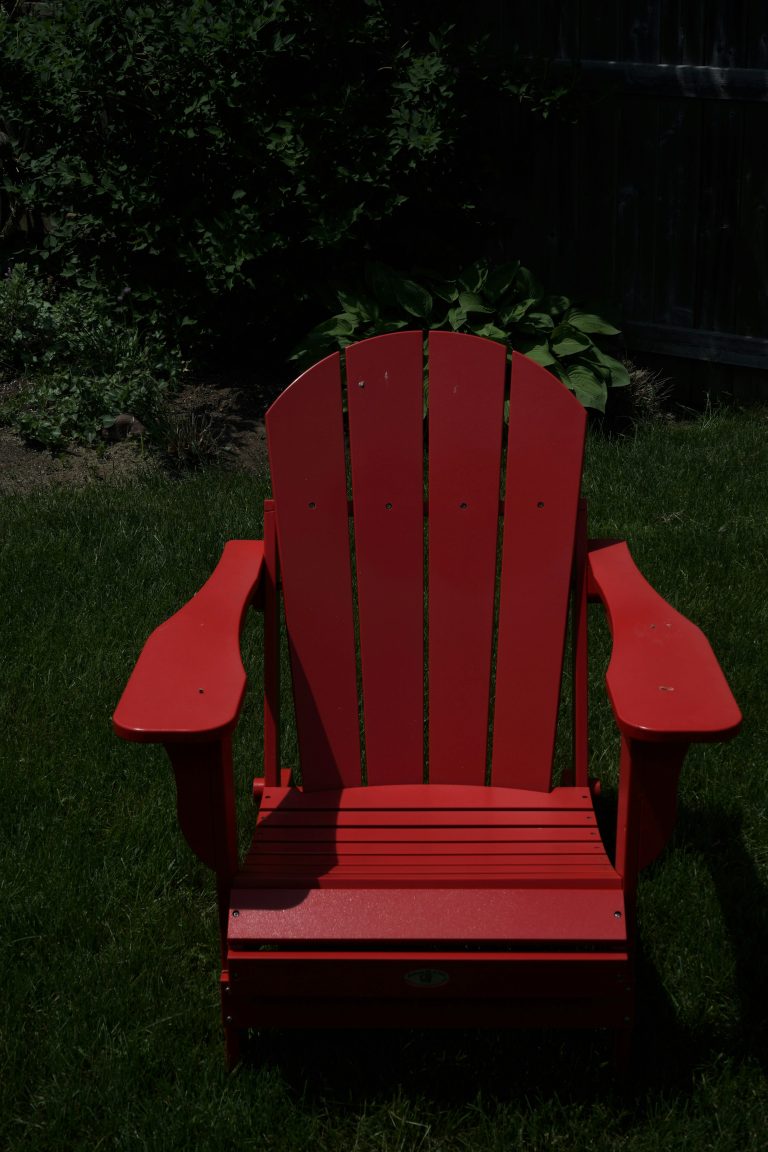
Same yard, two very different climates.
If you’re new and nervous, here’s my encouragement: you will lose some plants, and that’s how this works. Learn your zone, learn your frost dates, test your soil, and keep notes. The garden will teach you the rest.
That’s why I garden. Because I never stop learning.
My learning toolkit
Tools that turned my guesses into knowledge. As an Amazon Associate I earn from qualifying purchases, at no extra cost to you.
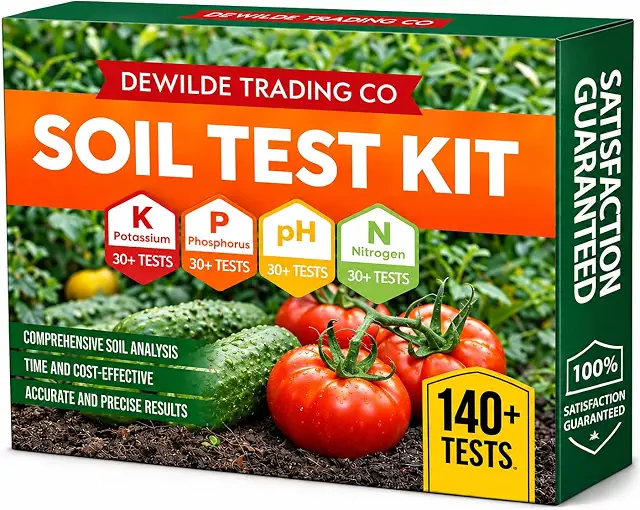
Soil test kit
The cheapest answer to “why won’t anything grow here?” Tests pH and the main nutrients.
View on Amazon ↗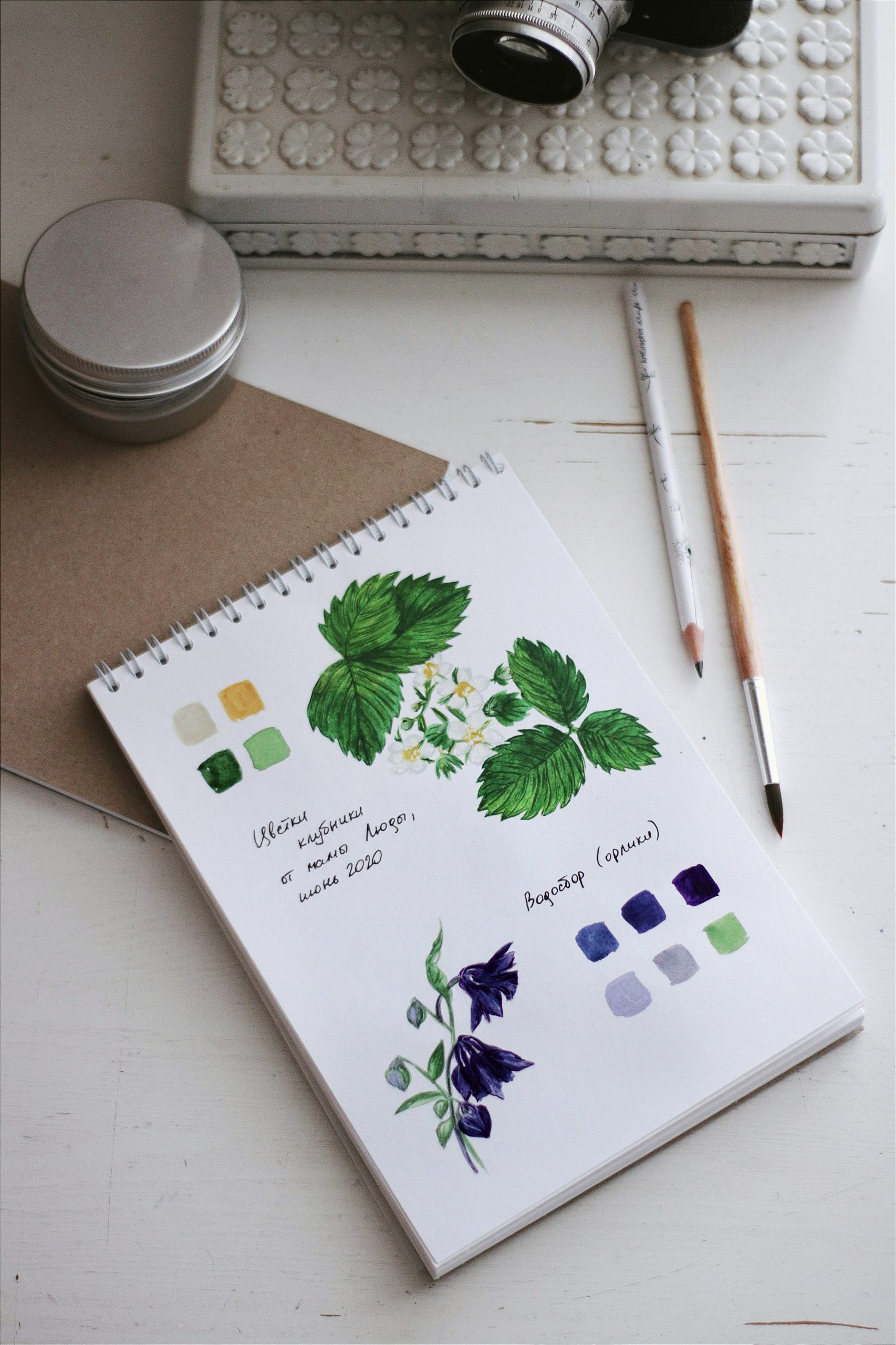
Garden journal
Planting dates, weather, wins and losses. Next year’s garden starts in these pages.
View on Amazon ↗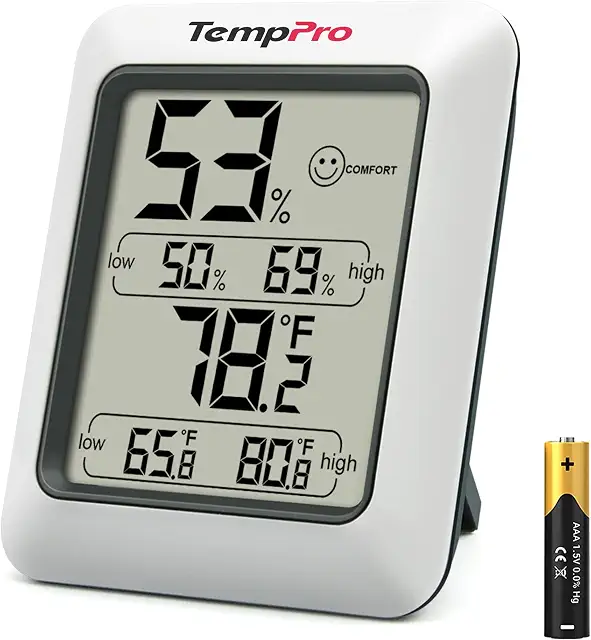
Min/max thermometer
Records overnight lows, which is how I found my frost pocket by the shed.
View on Amazon ↗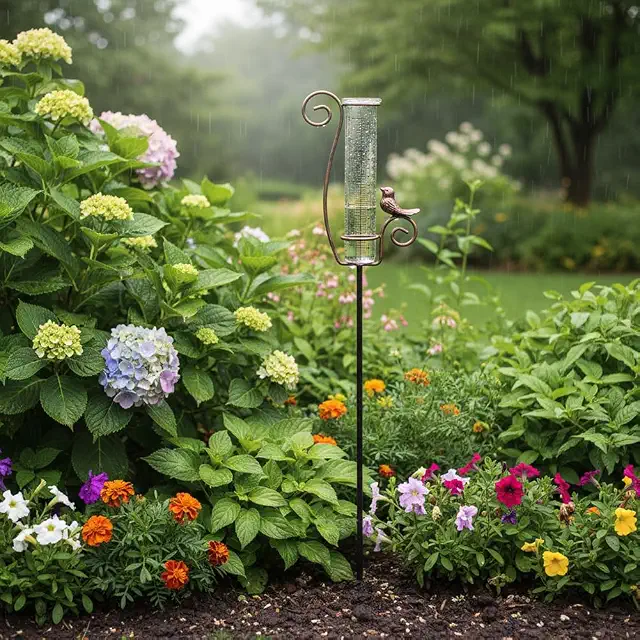
Rain gauge
Tells me whether last night’s storm counted, so I stop over- or under-watering.
View on Amazon ↗