Tending
Why I Garden · Part V
Why I garden: to care for something
Tending
Gardening taught me that care isn’t a feeling. It’s a practice you return to every day, with your hands.
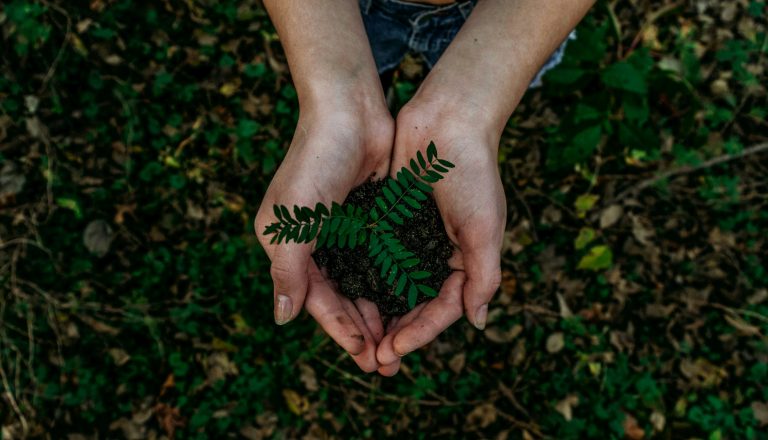
There’s an old word I love: tending. You tend a garden, a fire, a wound, a friendship. It means paying steady attention to something that depends on you. That word explains more about why I garden than anything else I could say.
My grandmother kept African violets on every windowsill of her small apartment. She talked to them, turned them toward the light, and watered them from the bottom with a little saucer. As a child I thought it was funny. Now I understand. She was practicing care in a world that didn’t always give her much to hold.
Seedlings taught me patience
Every late winter I start seeds under lights. For weeks, those trays are the most fragile things in my house. They need water, but not too much. Warmth, but not too much. Light for most of the day. Then comes hardening off: carrying them outside for an hour, then two, then a whole afternoon, so they can meet the wind and sun slowly.
It’s a tender, fussy process, and I love every minute of it. There’s no shortcut. You show up, you check on them, you adjust. Care, I’ve learned, is mostly showing up.
The most fragile weeks of the year.
Caring for a garden through the seasons
What care looks like depends so much on where a garden grows.
- In cold climates, care looks like protection: mulching tender perennials once the ground freezes, wrapping young tree trunks, and tucking row cover over the kale so it keeps going into November.
- In hot climates, care looks like shade and water: shade cloth over the lettuce in July, deep watering at dawn, and a thick layer of mulch to keep roots cool.
- In wet climates, it means good drainage, room for air to move between plants, and watching for fungus after long rainy spells.
- In dry climates, it means drip irrigation, drought-tolerant native plants, and learning to love silver leaves.
Wherever you garden, the plants tell you what they need. Wilting, yellowing, leaning toward the light: it’s all a kind of language. Caring for a garden is learning to read it.
Caring for more than my plants
Somewhere along the way, my idea of care got bigger. I stopped reaching for broad-spectrum sprays and started planting milkweed, coneflowers, and native asters. I left seed heads standing in fall for the goldfinches and hollow stems for native bees to nest in. I built a compost pile so the garden could feed itself.
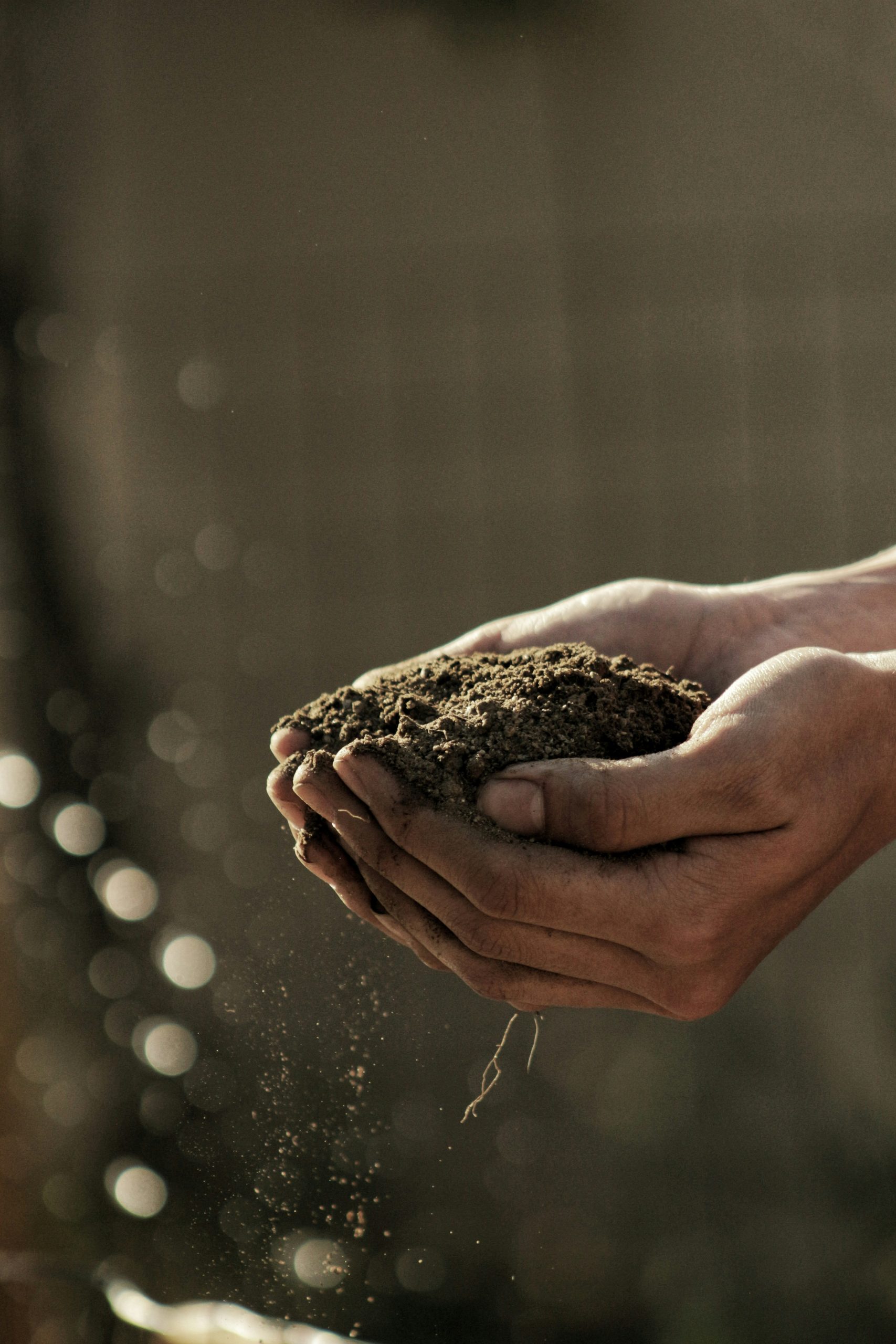
Now my garden looks after a whole web of life I barely see: worms, fungi, beetles, bees, birds. Caring for the soil turned out to mean caring for all of it.
Leaving the seed heads for the finches.
And quietly, caring for myself
On hard days, tending something living reminds me that I’m capable of nurturing, even when I’m tired. Plants respond to care in a way that is honest and visible. You water a wilted fern, and by evening it has lifted its fronds. That small, reliable response has carried me through some difficult seasons.
That’s why I garden. I get to care for something every day, and in its quiet way, the garden cares for me right back.
Tools for tending
What I reach for to protect, prune, and nurture through the seasons. As an Amazon Associate I earn from qualifying purchases, at no extra cost to you.
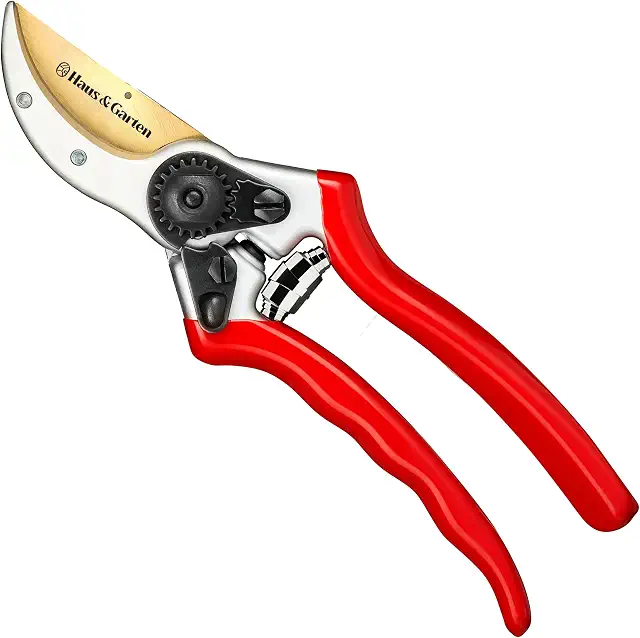
Bypass pruning shears
Clean cuts heal faster. A sharp pair of pruners is the kindest tool in my shed.
View on Amazon ↗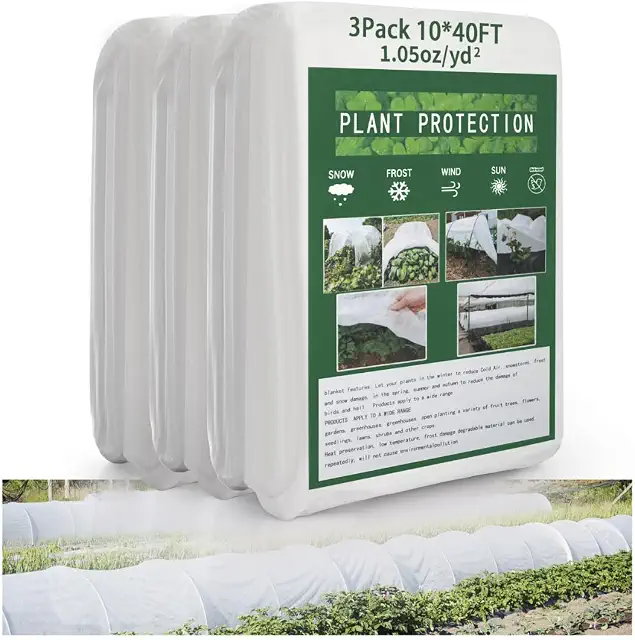
Frost cloth row cover
Buys me weeks of extra harvest on both ends of a cold-climate season.
View on Amazon ↗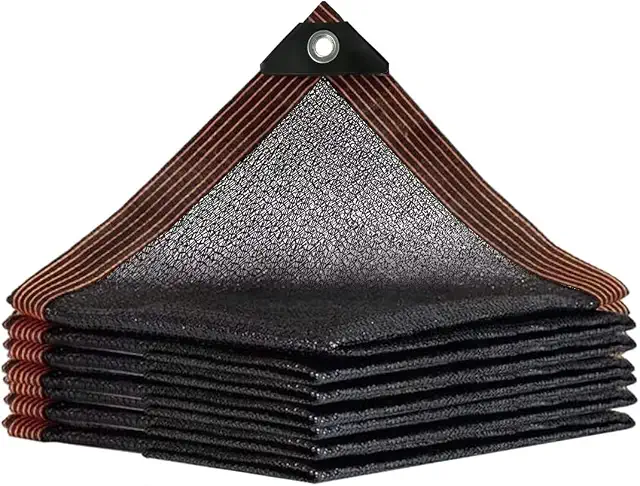
Garden shade cloth
Keeps lettuce and tender seedlings from scorching in the hottest weeks of summer.
View on Amazon ↗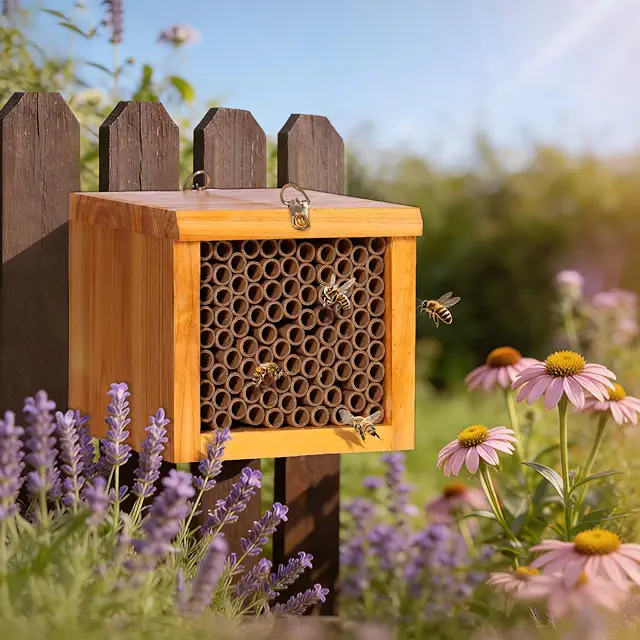
Native bee house
A small way to care for the pollinators who do so much work in my garden.
View on Amazon ↗